Planning your Northern Thailand budget travel? Get my exact 2026 daily breakdown, including real costs for hostels, street food, and scooter rentals. (CLICK HERE)
Table of Contents
Planning a trip to Northern Thailand and wondering how much it’ll actually cost?
I spent three weeks traveling across Chiang Mai, Chiang Rai, and Mae Salong in January 2026. Stayed in hostels. Ate local food. Rented a scooter. Explored villages. Saw temples. And tracked every single expense.
This isn’t a guide based on estimates or what other blogs say. These are real numbers. Real experiences. What I actually spent during three weeks of Northern Thailand budget travel.
From accommodation and food to transport and activities, here’s exactly how much Northern Thailand costs in 2026.
Average Daily Budget in Northern Thailand
Let me break down the cost of traveling Northern Thailand into three simple tiers.
Budget traveler: $20–30/day (700–1,050 THB). Hostels. Street food. Local transport. No frills.
Mid-range: $35–60/day (1,200–2,100 THB). Private guesthouse rooms. Mix of local food and cafés. Scooter rental. Comfortable but not fancy.
Comfortable: $70+/day (2,500+ THB). Nice hotels. Restaurants. Tours. AC everywhere. You’re not worried about the budget.
I traveled somewhere between budget and mid-range. Hostels with good facilities. Local food 90% of the time. Rented a scooter for two weeks. And my Northern Thailand daily budget averaged around $25–30/day (900–1,050 THB).
Accommodation Costs in Northern Thailand (Hostels, Hotels & Guesthouses)
Accommodation in Northern Thailand is cheap if you’re not picky.
Hostels
Dorm beds in hostels range from 150 to 400 THB per night ($4 to $11 USD). Chiang Mai has more options. Chiang Rai has fewer but they’re usually slightly cheaper.
I stayed in hostels for all three weeks. Spent around 200 to 300 THB per night ($6 to $9 USD) for a bed in a clean hostel with good facilities.
Guesthouses
Private rooms in guesthouses cost 400 to 800 THB per night ($11 to $23 USD). Simple. Clean. Nothing fancy but comfortable.
Small Hotels
Budget hotels start around 600 THB ($17 USD) and go up to 1,500 THB ($42 USD) depending on location and facilities.
Where I Stayed
Here are the hostels I stayed at during my trip:
Chiang Mai: Thai Thai Hostel, Stay Thapae Hostel.
Chiang Rai: Baan Mai Kradan Hostel Chiang Rai.
Mae Salong:
I can’t mention my exact stay in Mae Salong because I didn’t book it online. There were no hostels I could find in Mae Salong. Only guesthouses. They ranged from 300 to 500 THB per night ($9 to $14 USD). Basic. Clean. Good enough.
Chiang Mai vs Chiang Rai Accommodation
Chiang Mai has way more options. Every price range. Every style. But slightly higher prices if you want prime locations.
Chiang Rai is quieter. Fewer options. But accommodation is a bit cheaper overall. The hostel I stayed at in Chiang Rai cost me about 50 THB more per night than Chiang Mai ($1.50 USD more). But it had better facilities. Free breakfast. Muay Thai classes option. Prime location. Big working area. Fast WiFi. So I’m not complaining about the price.
Food Cost in Northern Thailand (Street Food vs Cafés)
Food in Northern Thailand is cheap. Really cheap. If you eat local.
I ate street food and went to local restaurants 90% of the time during my three weeks. And I never spent more than 250 THB ($7 USD) on food in a day. No matter how hard I tried, my two full meals would always come in under 250 THB.
Personally, I’m not very adventurous when it comes to food. If I like something, I’ll eat it every day until I get bored. So my daily food routine looked like this:
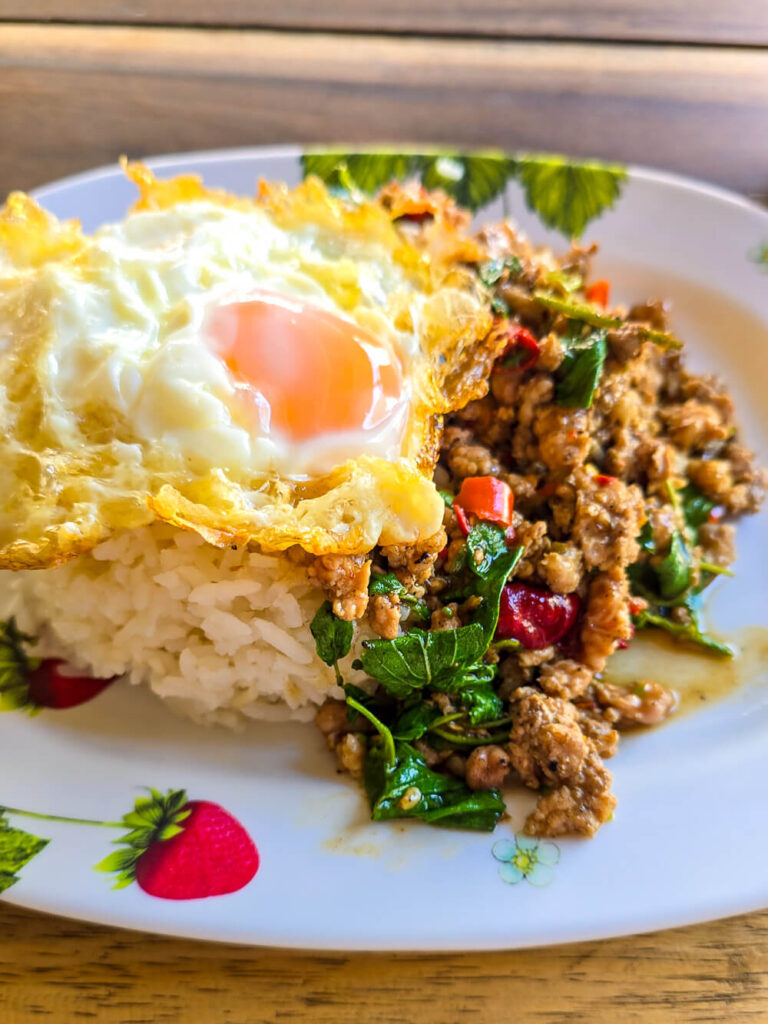
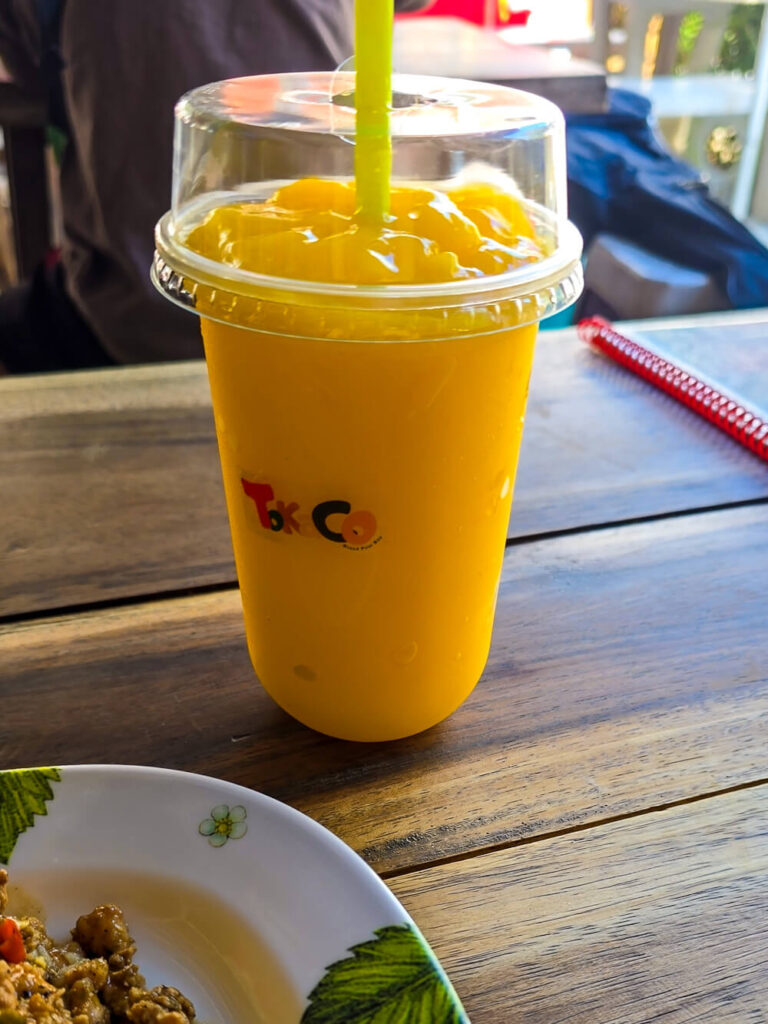
Lunch: Pad Krapao (60 THB / $1.70), Mango smoothie (35 THB / $1)
Dinner: Pad Krapao or Pad Thai or Khao Soi (60-70 THB / $1.70-$2), another fruit smoothie depending on my mood (35 THB / $1), and a plate of gyoza (50 THB for 6 pieces / $1.40)
The local rates were pretty low for these dishes. The max I paid for a main dish was around 60 to 70 THB. 25 THB for a juice. 35 THB for a smoothie. 50 THB for 6-piece gyoza.
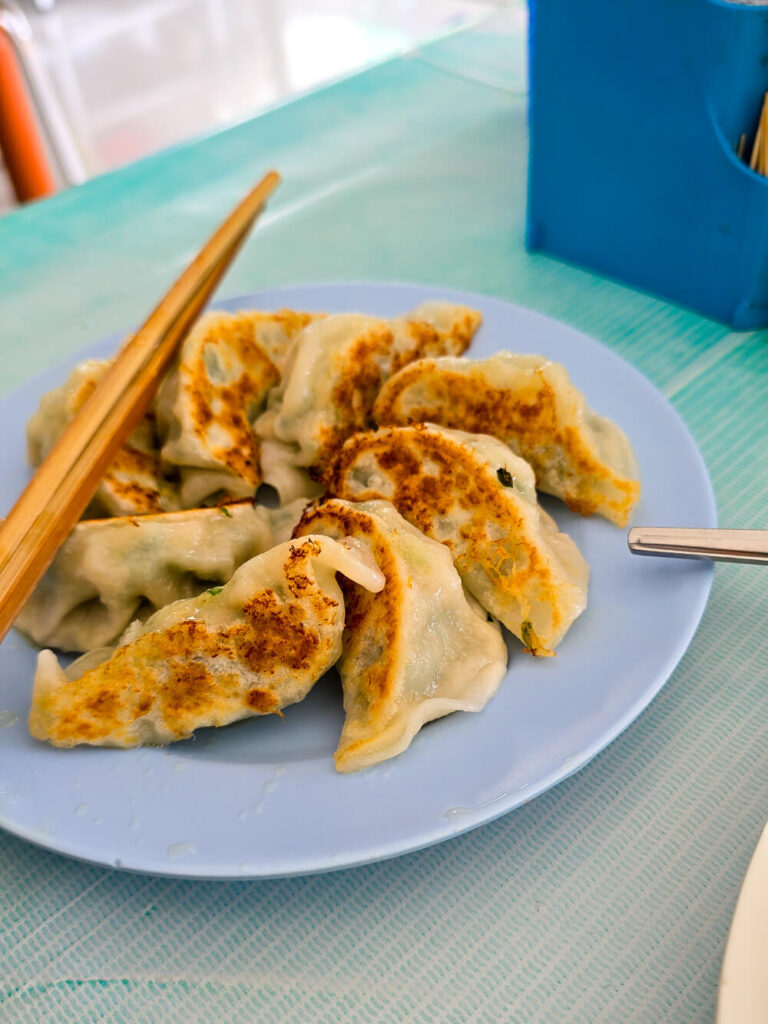
Breakfast: I tried to stay in hostels that had free breakfast included. Sometimes if I had a late breakfast, I’d skip lunch too. Then I only had to pay for dinner. That would cost even less.
Street Food Prices
Street food is where you save the most money. A full meal costs 40 to 80 THB ($1.10 to $2.30). Snacks are 20 to 40 THB. Fresh fruit shakes are 25 to 40 THB.
Local Restaurants
Local restaurants (the ones where locals eat, not tourist spots) charge 50 to 100 THB per dish. A full meal with a drink costs 80 to 150 THB.
Cafés
Cafés are where prices jump. Coffee costs 60 to 120 THB. Meals cost 150 to 300 THB. Still affordable. But 3x more than street food.
The Point
If you stick to local food and local restaurants, you will not run out of money. I ate well. I ate a lot. And I never spent more than 250 THB per day on food for three weeks straight.
Transportation Cost in Northern Thailand (Scooter, Bus & Grab)
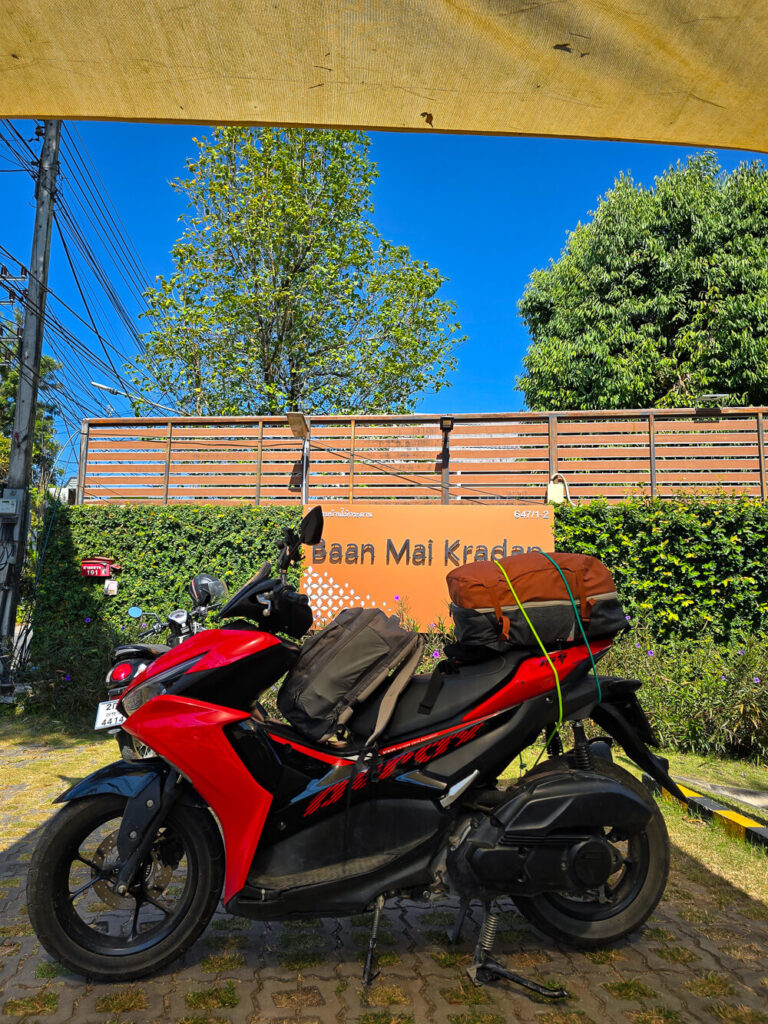
Transportation in Northern Thailand is cheap if you do it right.
Local Transport
I personally only used Grab twice during my three weeks. First to get from the station to my hostel. Then from my hostel back to the station. My total spend on Grab? 60 THB ($1.70).
There are songthaews from the railway station to the old city and they’ll drop you at your hostel. The cost is 60 THB per person. You can opt for this if you have big luggage and can’t carry it on a bike.
I personally travel with a rucksack and a backpack which I carry on the back and front. So I use Grab bike. It’s more convenient and cheaper for me.
Scooter Rental
For two weeks of my trip, I rented a scooter. Cost me 3,000 THB ($85 USD). That’s about 215 THB per day. Way cheaper than renting daily.
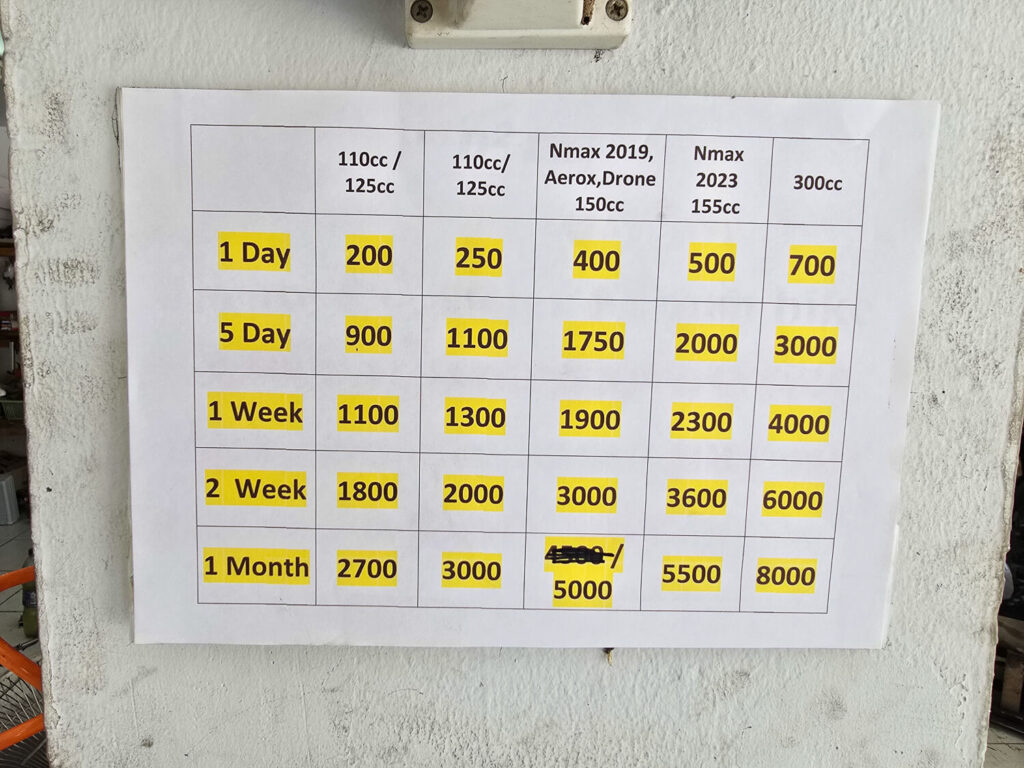
Fuel Costs
I rode the scooter for around 1,300 kilometers in those two weeks. Filled the tank about 6 times. A full tank cost me around 140 to 150 THB ($4 to $4.30).
On average, a full tank would last me more than 200 kilometers. So when you plan your journey, keep these things in mind.
The total cost for scooter rental and fuel came out to around 3,900 THB ($110 USD) for two weeks. That’s less than 200 THB per day for complete freedom to go anywhere.
Check out the full article here – Riding a Scooter in Northern Thailand: Complete Guide for Travelers
Intercity Travel
The most common intercity route is Chiang Mai to Chiang Rai.
By Bus: GreenBus Thailand operates this route. Tickets cost 220 to 400 THB ($6 to $11 USD) depending on bus class. Standard buses are around 220 to 280 THB. VIP buses are 360 to 400 THB. Travel time is 3.5 to 4 hours.
You can book on 12go Asia. Easy. Compare prices. See departure times. Book your seat.
By Scooter: If you already have a rental scooter, the only cost is fuel. About 150 THB for a full tank. The ride takes 3.5 to 4 hours. And you get to stop wherever you want.
For a detailed breakdown of all transport options between Chiang Mai and Chiang Rai, check out my complete guide here – How to Travel from Chiang Mai to Chiang Rai (Bus, Scooter, Car & Travel Tips).
Activity & Entry Costs
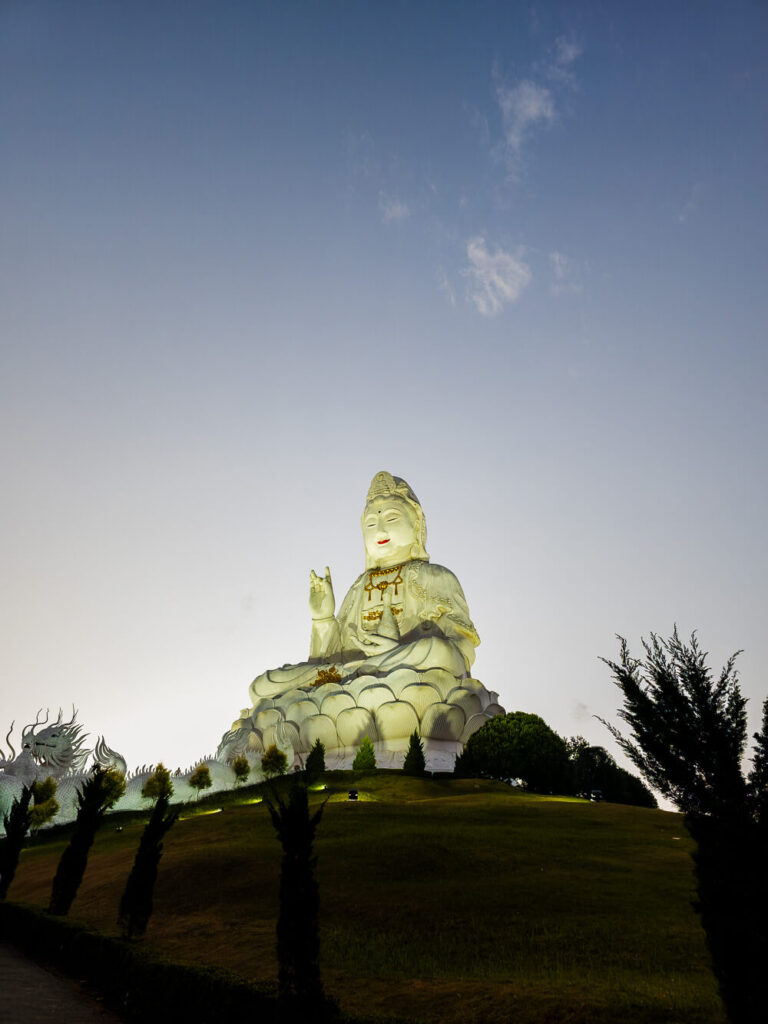
Here’s the best part. Most places in Northern Thailand are free or charge very minimal fees.
Temples usually charge 20 to 50 THB if they charge at all. Many are completely free.
Viewpoints and villages are almost always free. Waterfalls are free. Walking around is free.
What I Paid During My 3 Weeks
Most places I visited were completely free or with minimal charge. The only major charge I had to pay was the White Temple: 200 THB ($6 USD).
Blue Temple: Free
Wat Huay Pla Kang: Free (elevator inside the statue: 40 THB / $1.10)
Mae Kampong Waterfall: Free
Chiang Rai River Beach: Free
Samoeng Loop: Free (just fuel)
Mae Salong: Free to explore (tea tastings at plantations sometimes have small fees)
Queen Sirikit Botanic Garden: 100 THB ($2.80)
Seriously. Most of Northern Thailand is free to explore. You’re not paying entrance fees left and right like some destinations.
Total Cost for 3 Weeks in Northern Thailand
Let me break down exactly how much Northern Thailand costs for a 3-week trip based on my actual spending in January 2026.
Accommodation (3 weeks):
- Average: 250 THB/night × 21 nights = 5,250 THB ($148 USD)
Food (3 weeks):
- Average: 200 THB/day × 21 days = 4,200 THB ($118 USD)
Transportation:
- Scooter rental (2 weeks): 3,000 THB ($85 USD)
- Fuel (6 fills): 900 THB ($25 USD)
- Grab (2 rides): 60 THB ($2 USD)
- Total: 3,960 THB ($112 USD)
Activities & Entry Fees:
- White Temple: 200 THB
- Wat Huay Pla Kang elevator: 40 THB
- Queen Sirikit Garden: 100 THB
- Total: 340 THB ($10 USD)
TOTAL FOR 3 WEEKS: 13,750 THB ($388 USD)
Daily Average: 655 THB/day ($18.50 USD/day)
| Category | Total (3 weeks) | Daily Average |
| Accommodation | 5,250 THB ($148) | 250 THB ($7) |
| Food | 4,200 THB ($118) | 200 THB ($6) |
| Transportation | 3,960 THB ($112) | 189 THB ($5) |
| Activities | 340 THB ($10) | 16 THB ($0.50) |
| TOTAL | 13,750 THB ($388) | 655 THB ($18.50) |
This is backpacking Northern Thailand budget travel at its finest. I traveled for three weeks. Saw everything I wanted. Stayed comfortable. And spent less than $400 total.
Cost Comparison Table: Northern Thailand Budget Breakdown
| Category | Budget | Mid-Range | Comfortable |
| Accommodation | 150-300 THB/night | 400-800 THB/night | 1,000+ THB/night |
| Food | 150-250 THB/day | 300-500 THB/day | 600+ THB/day |
| Transportation | Scooter 200 THB/day | Scooter + some Grab 300 THB/day | Taxi/tours 500+ THB/day |
| Total Daily | 500-750 THB ($14-21) | 1,000-1,600 THB ($28-45) | 2,100+ THB ($60+) |
Cost Differences: Chiang Mai vs Chiang Rai
Let me be honest here.
I personally didn’t find any price difference for local food and local restaurants between the two cities. The prices are pretty much the same. 60 THB for Pad Krapao in Chiang Mai. 60 THB for Pad Krapao in Chiang Rai.
The only difference is that Chiang Mai has more options. More restaurants. More cafés. More variety. Chiang Rai has fewer options. But the price difference is not that noticeable.
Accommodation
Chiang Mai has more hostels and guesthouses. More competition. Slightly higher prices if you want prime locations.
Chiang Rai is quieter. Fewer options. But slightly cheaper overall. The hostel I chose in Chiang Rai was a little more expensive than what I paid in Chiang Mai. But it had way more facilities. Free breakfast. Muay Thai classes. Prime location. Big working area. Fast WiFi. So the extra 50 THB per night was worth it.
Where You Might Spend More Than Expected
Let’s talk about where costs creep up when figuring out how much does Northern Thailand cost.
Cafés
Cafés are the budget killer. A coffee costs 60 to 120 THB. A meal costs 150 to 300 THB. If you’re sitting in a café with a mountain view in Mae Kampong or along the Samoeng Loop, you’ll pay tourist prices.
One coffee and a snack can easily hit 200 THB. Do that twice a day and you’ve blown through 400 THB just on café stops.
Peak Season Accommodation
If you book last minute during peak season (November to February), prices jump. Hostels fill up. Guesthouses charge more. Book in advance and you’ll save.
I visited in January 2026 which is peak season. And I still managed to keep costs low because I booked my hostels a few days ahead.
Tourist Areas
Restaurants near the White Temple, Blue Temple, or Chiang Mai Old City charge more. Same food. Higher prices. Walk a few blocks away and prices drop.
Scooter Accidents
If you damage the rental scooter, you’ll pay for repairs. Inspect the scooter before renting. Take photos of existing damage. Ride carefully. And you’ll avoid surprise charges.
Money-Saving Tips for Northern Thailand Budget Travel
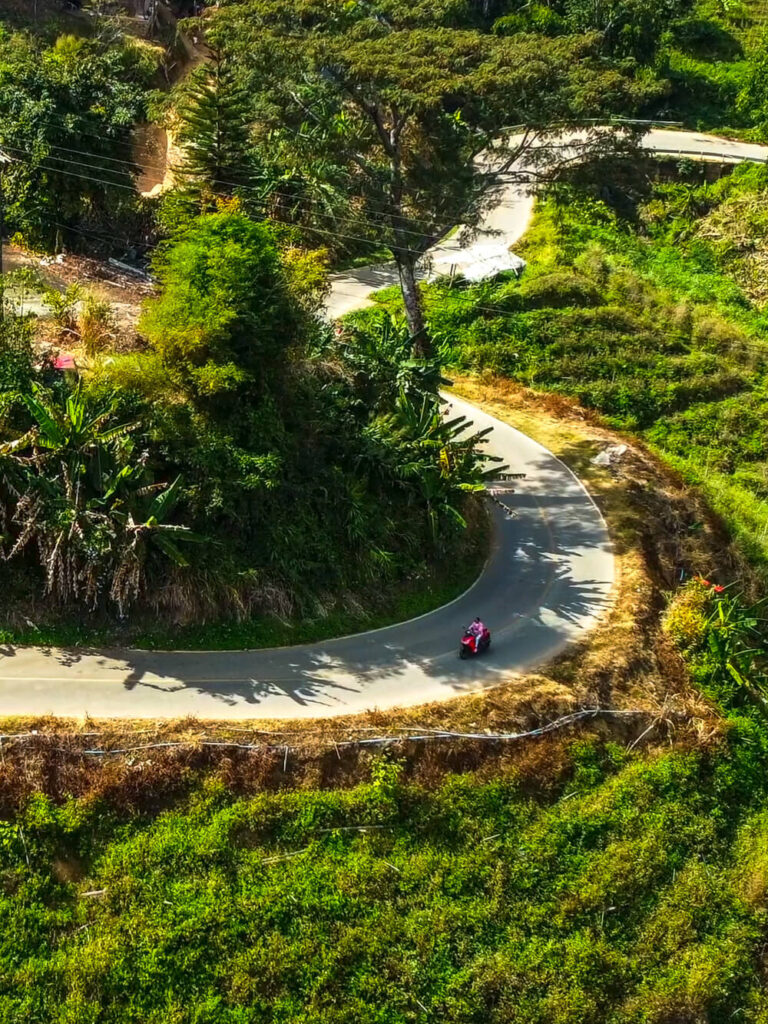
Here’s how to keep costs low while backpacking Northern Thailand budget style.
Eat local food. Street food and local restaurants are cheap. Avoid tourist restaurants and cafés unless you’re treating yourself. This alone will cut your food budget in half.
Rent a scooter. A scooter gives you freedom and saves money on transport. 3,000 THB for two weeks is nothing compared to taxis and tours.
Stay longer in one place. Weekly or monthly hostel rates are cheaper. You save on transport. And you get to experience places slower.
Avoid peak season pricing. If possible, visit in shoulder seasons (May-June or September-October). Accommodation is cheaper. Fewer crowds. You still get a good experience.
Book accommodation in advance. Even a few days ahead helps. Last-minute bookings during peak season cost more.
Skip the cafés. Or limit them. One café stop a day is fine. Three café stops a day and your budget doubles.
Choose hostels with free breakfast. This cuts out one meal. Sometimes I’d have a late breakfast and skip lunch entirely. Huge savings.
Fill up on fuel outside tourist areas. Gas prices are the same everywhere but tourist area pumps sometimes charge more per liter.
Walk when possible. Chiang Mai Old City is walkable. Chiang Rai downtown is compact. Save the scooter for longer distances.
One More Important Thing
I visited in January 2026 which is peak season in Thailand. And I still managed to travel on a budget. If you visit in any other months, expect to pay a little less. At least for hostels and accommodation.
The street food prices will pretty much remain the same all year. But hotels and hostels drop their prices outside peak season.
Is Northern Thailand Cheap in 2026?
Compared to Western countries? Northern Thailand is very affordable. You’re spending $18 to $30 per day and living comfortably. Try doing that in Europe or the US.
Compared to the rest of Thailand? Still budget-friendly. Chiang Mai and Chiang Rai are cheaper than Bangkok. Way cheaper than the islands during high season.
Now, I’m Not Going to Sugarcoat This
Thailand has become more expensive. No, I don’t mean the prices have risen suddenly. The prices are mostly within the same range as they used to be.
The issue? The Thai Baht has seen a sudden rise. And this makes things more expensive for tourists now compared to, let’s say, 6 months ago.
And the THB is still increasing. So maybe it’ll get more expensive. Who knows.
Someone coming from Western countries might not feel the difference. Or maybe they will. I don’t know. But being an Indian, the difference is pretty noticeable. Especially if you’ve been to Thailand previously.
The Baht was around 0.43 INR six months ago. Now it’s around 0.48 INR. That’s a 10% increase. Your budget effectively shrinks by 10% even though nothing in Thailand changed.
So keep this in mind when planning your Northern Thailand budget travel. Currency fluctuations matter.
Final Thoughts
You don’t need a big budget to travel Northern Thailand. I spent three weeks traveling across Chiang Mai, Chiang Rai, and Mae Salong. Stayed in good hostels. Ate well. Rode a scooter everywhere. Saw everything I wanted to see. Total cost? Less than $400.
Slower travel reduces costs. The longer you stay in one place, the less you spend on transport and accommodation.
Flexibility helps. If you can avoid peak season, you’ll save money. If you can eat local food instead of tourist food, you’ll save money. If you can rent a scooter instead of taking taxis, you’ll save money.
Northern Thailand is affordable. You just need to be smart about where you spend.
Frequently Asked Questions
How much does Northern Thailand cost per day?
Budget travelers can do it for $20-30/day (700-1,050 THB). Mid-range is $35-60/day. I spent around $18-20/day during my three weeks including accommodation, food, transport, and activities.
Is Chiang Mai expensive for backpackers?
No. Chiang Mai is very affordable for backpackers. Hostels cost 150-400 THB per night. Street food is 40-80 THB per meal. Local transport is cheap. You can easily travel on $25/day.
Is Chiang Rai cheaper than Chiang Mai?
Slightly. Accommodation is a bit cheaper. But food prices are the same. The main difference is Chiang Mai has more options while Chiang Rai is quieter with fewer choices.
Can you travel Northern Thailand on $30/day?
Yes. Absolutely. I did it for three weeks averaging $18-20/day. Stay in hostels (200-300 THB/night). Eat local food (under 250 THB/day). Rent a scooter (215 THB/day including fuel). Most attractions are free. $30/day is very comfortable.
What is the cost of traveling Northern Thailand for 2 weeks?
Based on my spending, 2 weeks would cost around 9,000-10,000 THB ($250-280 USD) for budget travel. This includes accommodation, food, scooter rental, fuel, and activities.
How much should I budget for backpacking Northern Thailand?
Budget $20-30/day if you stay in hostels and eat local food. For a 2-week trip, budget $300-400 USD total. For 3 weeks, budget $400-600 USD. This gives you comfortable cushion for occasional splurges.
Is $1000 enough for Thailand?
Yes, absolutely. At a budget of $20–30 a day (hostels, street food, and a scooter), $1,000 will comfortably fund a full month in Northern Thailand with money left over. Just expect daily costs to jump if you head south to the islands.
What is the cheapest way to travel Northern Thailand?
Travel slow and live local. Stay in dorms with free breakfast (200–300 THB/night), eat street food (40–80 THB/meal), and negotiate a long-term scooter rental instead of paying daily rates. Skip the pricey aesthetic cafés and stick to the region’s countless free temples and nature spots.