Discover why slow travel in Northern Thailand will change how you explore. Read my 3-week itinerary, village guides, and practical tips to avoid rushing. (CLICK HERE)
Table of Contents
I woke up at 5 a.m. on an uncomfortable third-class bench seat on the train from Bangkok to Chiang Mai. My back hurt. My neck was stiff. And I had about seven more hours to go.
It was my third time visiting Chiang Mai, and somewhere between the discomfort and the boredom of that 12-hour train ride, I started thinking about how I wanted this trip to be different. I didn’t want to rush through temples and tick off the usual spots like I’d done before.
I wanted to slow down. Actually experience Northern Thailand instead of just seeing it.
That uncomfortable train ride was where the idea of slow travel in Northern Thailand started for me. And by the time I stepped off three weeks later, it had completely changed how I explore.
This is what slow travel in Northern Thailand taught me about staying longer, doing less, and finding depth instead of distance.
Why Northern Thailand Is Perfect for Slow Travel
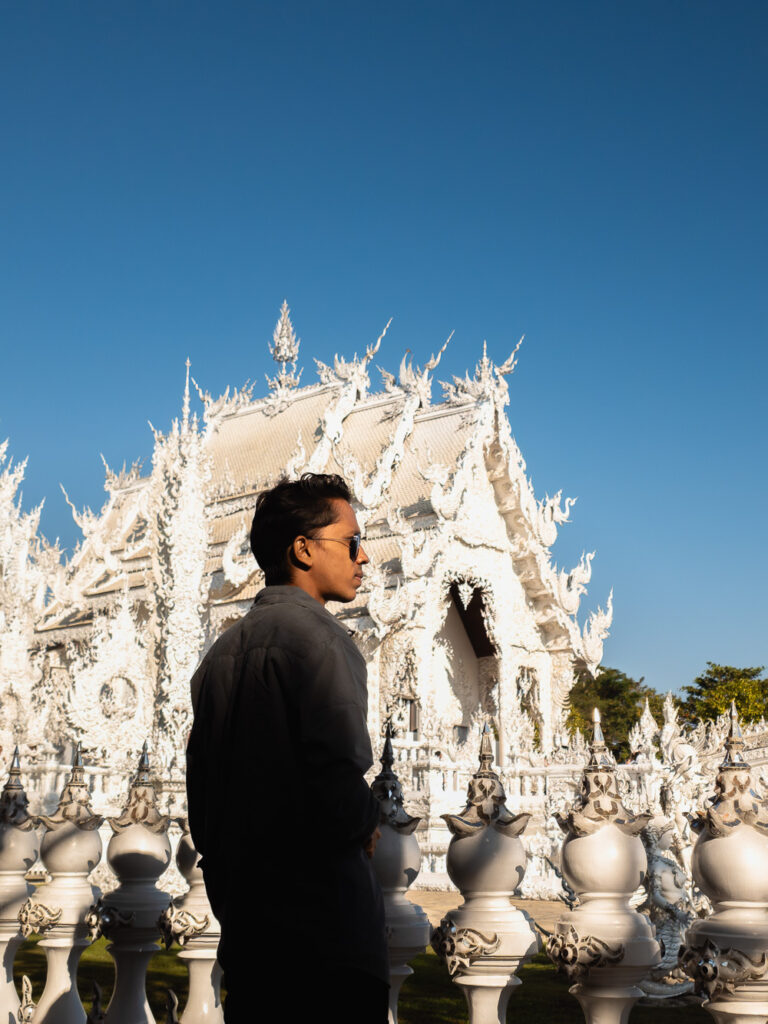
Northern Thailand is different from the rest of Thailand in ways that make it perfect for slow travel.
It’s less commercial than Phuket or Bangkok, where everything feels designed for tourists. The pace here is slower, the prices are lower, and the vibe is more grounded.
The mountain landscapes give you space to breathe. Green hills. Tea plantations. Winding roads through forests. It’s not beaches and parties like the south. It’s quieter. More introspective.
The café culture in places like Chiang Mai and Chiang Rai supports slow mornings. You can sit for hours without feeling rushed. WiFi is good. Coffee is cheap. And the atmosphere encourages you to linger instead of moving on.
And then there are the smaller towns like Mae Salong and Mae Kampong, where slow travel isn’t just an option, it’s the only way to experience them. These places reveal themselves over days, not hours.
Northern Thailand rewards patience. It’s built for travelers who want to settle in, not pass through.
Why Slowing Down in Northern Thailand Feels Uncomfortable at First
The first few days in Chiang Mai, I felt this urge to fill every hour with something productive. I had a mental list of places everyone said I had to see, and I kept thinking about what I was missing if I stayed still for too long.
Even though I’d decided to travel slowly, the habit of rushing was hard to shake. I’d sit at a café for 30 minutes, then feel like I should be doing something else. Walking somewhere. Seeing something. Making the day count.
But Northern Thailand doesn’t work that way, and the more I tried to rush, the less I got out of it.
I’d ride my scooter out to a viewpoint, stop for two minutes to take a photo, then move on to the next thing. By the end of the day, I felt tired but not fulfilled, just tired.
It took me a few days to realize that slowing down wasn’t about doing less because I was lazy. It was about giving myself permission to stop measuring every day by how many things I saw.
That discomfort was part of the process, and once I stopped fighting it, slow travel in Northern Thailand started to make sense.
Why Not Every Day in Northern Thailand Needs to Be Planned
Some of my best days in Northern Thailand were the ones where I didn’t plan anything.
I’d wake up in Mae Salong, walk to a tea shop, and sit for an hour watching mist roll over the hills. Then I’d come back to the guesthouse, read for a while, nap, and walk again in the evening. That was the whole day.
No temples. No waterfalls. No checklist. Just existing in the place.
And those days stuck with me more than the busy ones because I was actually present instead of rushing through experiences to get to the next thing.
I stayed in Chiang Rai for a few days, and most mornings I’d walk to the same café, order the same coffee, and sit in the same spot watching the street wake up. It became a ritual I looked forward to, even though nothing particularly interesting happened.
Nothing worth posting about or telling people. But it grounded me in a way that sightseeing never does.
Not every day needs to be full. Some days just need to be slow, and that’s when you actually start to feel the place.
For a complete guide on what to see and do in Chiang Rai at your own pace, Chiang Rai Budget Travel Guide 2026: Slower Days & Why It Beats Chiang Mai.
The Best Experiences in Northern Thailand Are Unplanned
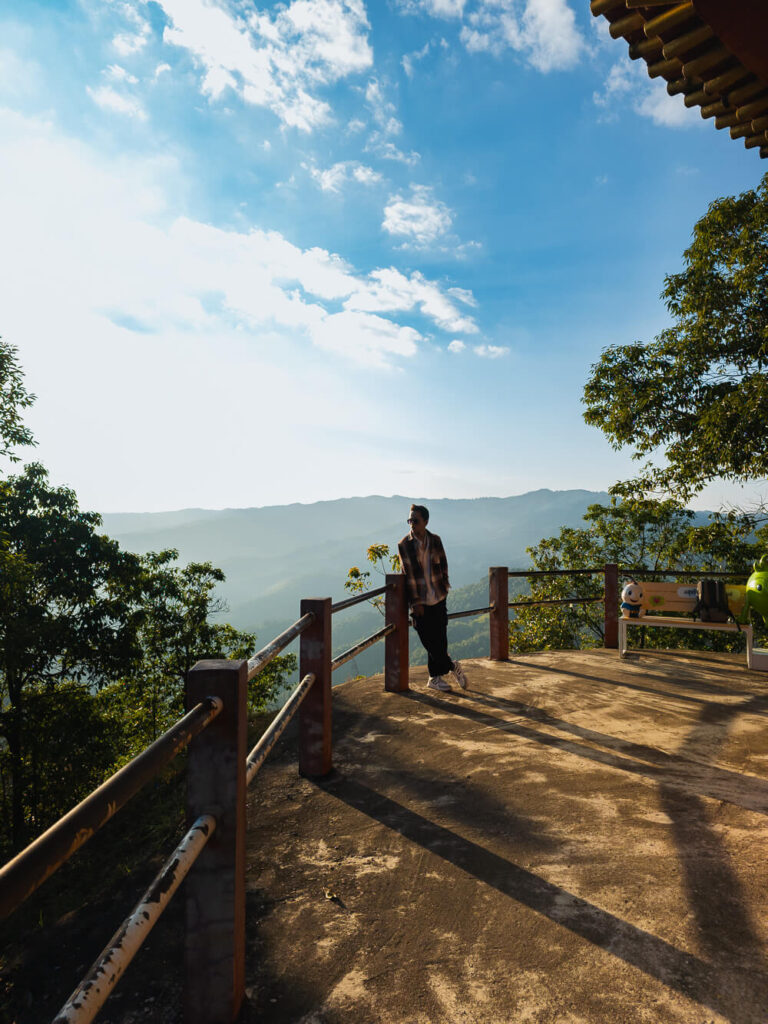
The moments I remember most from Northern Thailand weren’t the ones I planned.
I was riding the Samoeng Loop one afternoon when I saw a small village at a junction called Sam Yaek. I hadn’t planned to stop, but there was a football field with a view stretching out over the mountains, and something made me pull over.
I sat on the edge of the field for maybe 20 minutes with no plan, no photos, no agenda. Just sitting there watching the valley below.
That stop wasn’t on any itinerary or in any guide, but it’s one of the clearest memories I have from that ride because it wasn’t forced, it just happened.
Another time, I was riding back from Mae Kampong and passed a roadside food stall that didn’t look like anything special. But I stopped anyway, ordered Pad Krapao, and sat on a plastic stool watching the road.
The food was good. The moment was better.
The best parts of slow travel in Northern Thailand weren’t the famous temples or viewpoints. They were the random stops, the unplanned pauses, and the moments when I stopped trying to find something and just let things unfold.
For a detailed guide on riding the Samoeng Loop with all the best stops, Samoeng Loop Chiang Mai Guide: Route, Map & Best Stops (2026).
Why Staying Longer in Chiang Mai Changes Your Travel Experience
I spent more than 10 days in Chiang Mai during my three weeks in Northern Thailand, but not all at once. I came back, left, came back again, and used it as a base between other trips.
At first, I thought that was a waste. Why stay in one place when there’s so much to see? But staying longer changed everything because by the third day, I wasn’t exploring anymore. I was settling in.
I found a local restaurant near my hostel, and after a few visits, the lady there started recognizing me. Eventually, she didn’t even ask for my order, she’d just look at me and say, “PORK. SPICY. WITH EGG.”
That was it. She knew. I’d nod. She’d cook. I’d eat. It became my routine, and it made me feel like I was part of the place instead of just passing through.
I went to the same café a few times, the same juice stall, the same streets. And instead of feeling repetitive, it felt grounding, like I was building small rituals that connected me to Chiang Mai in a way sightseeing never could.
Mae Kampong taught me something similar. I made the mistake of going on a weekend when it was packed and crowded, not the quiet village I’d expected. But I learned from that and adjusted, I started going to other places on weekdays and taking my time.
Slow travel in Northern Thailand isn’t about seeing more. It’s about staying longer in fewer places, returning to the same spots, and building routines and anchor you to a destination.
For a complete budget breakdown and tips on staying longer in Chiang Mai, Living in Chiang Mai on a Budget: Real Costs, Daily Life & What It’s Actually Like.
How Slow Travel in Northern Thailand Changes Your Sense of Time
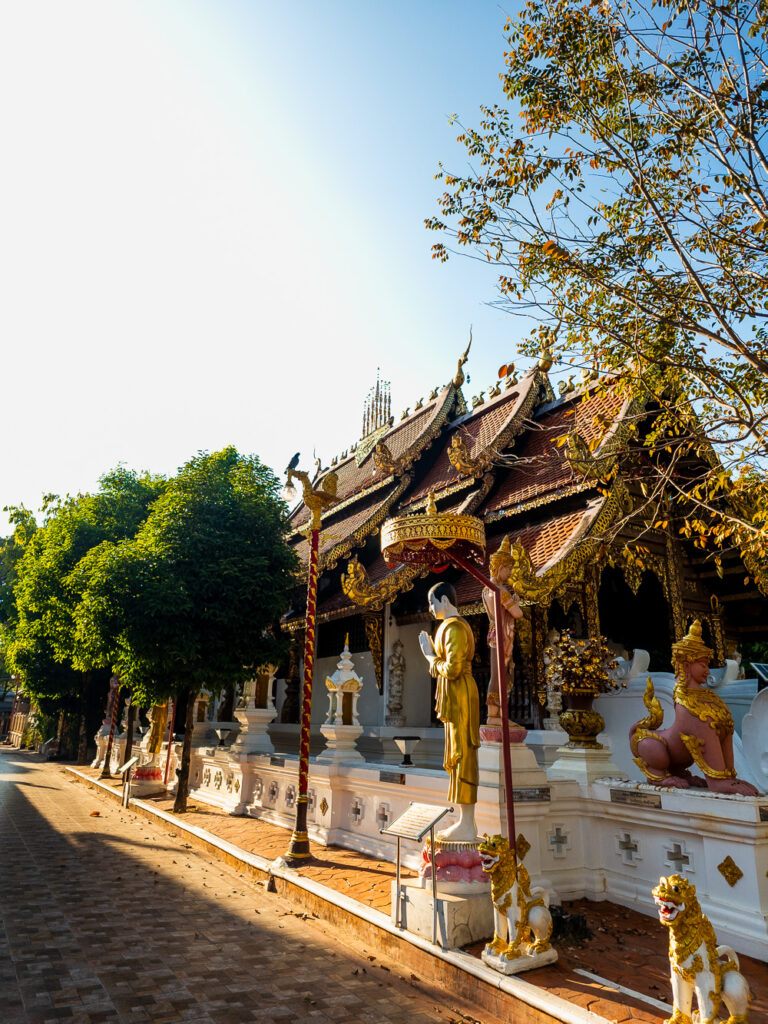
When you’re rushing, days feel short because you’re always behind, always feeling like there’s not enough time to do everything you planned.
But when you slow down, days stretch in a way that feels fuller and more complete. You notice more. You absorb more. And somehow, time feels like it’s on your side instead of against you.
I’d wake up in Mae Salong, have tea, walk around, sit, read, walk again, eat, and sit some more. By the end of the day, it felt like I’d lived a week, not because I did a lot, but because I was present for all of it.
There was no urgency, no feeling like I had to be somewhere else, no checking the clock every hour to make sure I was staying on schedule.
I remember sitting by the Kok River in Chiang Rai one afternoon, watching boats drift by and locals walking their dogs while kids played nearby. I sat there for maybe an hour just watching, with no phone and no plan for what came next.
And that hour felt longer than entire days I’ve spent rushing through cities, because slow travel expands time instead of compressing it.
Not Every Place in Northern Thailand Needs to Be “Worth It”
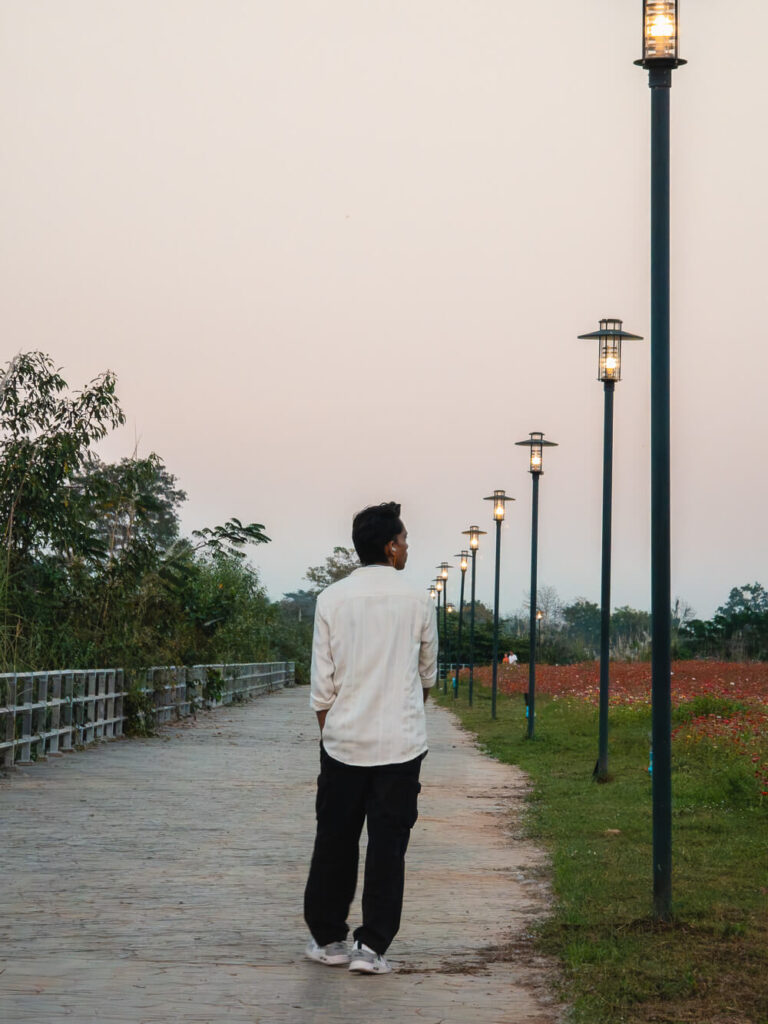
There’s this pressure when you travel to make sure every place is “worth it” to justify the time, the money, the effort.
But not every place needs to blow you away. Some places just need to be experienced, and that’s enough.
The river beach in Chiang Rai wasn’t life-changing, it was just a park by the river where locals hung out. Nothing spectacular. But I’m glad I went because it showed me a side of Chiang Rai that tourists don’t see.
Mae Salong didn’t have jaw-dropping views or famous landmarks. It was just a village with tea plantations, cool air, and slow mornings. But staying there taught me more about Northern Thailand than any temple did.
Not everything needs to impress. Some places just need to exist, and you just need to be there and let the experience be what it is.
I think we’ve been conditioned to measure travel by peaks, the best temple, the best viewpoint, the best meal. But most of life isn’t peaks. It’s the in-between, the quiet, the ordinary. And if you can’t appreciate that, you miss most of what travel offers.
For a guide to Mae Salong and why staying overnight matters, Mae Salong Travel Guide: Why You Need an Overnight Stay (Not a Day Trip).
How Locals Treat Travelers in Northern Thailand
One thing that stood out to me during my time in Northern Thailand was how differently locals treated me compared to Bangkok, Phuket, or Pattaya.
The people in Chiang Mai and Chiang Rai were kind, patient, and welcoming in a way I hadn’t experienced in the more touristy parts of Thailand. The lady at my regular restaurant treated me like a regular, not a tourist. The guesthouse owners in Mae Salong were warm and helpful without any attitude or judgment.
There was no visible shift when people realized I was a foreigner. No cold service. No price changes. No subtle dismissiveness.
In Bangkok, Phuket, and Pattaya, I’d noticed those shifts but not always, not with everyone, but often enough that I felt it. And I understood why, because I’d seen firsthand how some tourists (especially Indians) behave in those places.
Northern Thailand felt different because it’s less commercialized, less overrun, and the people haven’t been worn down by years of dealing with disrespectful tourists the way locals in more popular areas have been.
A Note for Indian Travelers
I need to be honest here, especially for other Indian travelers reading this.
The locals in Chiang Mai and Chiang Rai were way nicer to me than locals in Bangkok, Phuket, or Pattaya. And I’m Indian, so I notice these things.
In the more touristy parts of Thailand, there’s often a visible shift when people realize you’re Indian. The smiles drop, the service gets colder, sometimes the prices change. Not always. Not everyone. But often enough that you feel it.
And I don’t blame them. I’ve seen how entitled some Indian travelers can be, demanding, rude, treating locals like servants, haggling aggressively over 20 baht, being loud in quiet places, leaving messes, not respecting local customs.
I’ve been embarrassed by what I’ve seen, and I understand why locals in tourist-heavy areas are fed up.
But here’s what I want to say: Be kind. Do something nice for the locals. It doesn’t have to be a big gesture, just small acts of kindness go a long way.
Say thank you. Smile. Don’t haggle when you know the price is already fair. Clean up after yourself. Respect the space you’re in. Be patient. Be humble.
Let’s change the image of Indians in Thailand. Yes, it’s going to take a while because entitled people have worked very hard to build this image. But I know if we all decide, things can change.
Kindness spreads faster than hate. So do your part. Be the traveler you’d want to meet. Treat locals the way you’d want tourists to treat people back home.
It’s not just about making travel better for yourself. It’s about making it better for the next person who comes after you.
How to Travel Northern Thailand Slowly (Practical Guide)
If you’re planning slow travel in Northern Thailand, here’s what actually works based on my three-week experience.
Best Places for Slow Travel
Chiang Mai: The cultural hub with cafés, markets, and mountains nearby. Perfect base. Stay 4 to 7 days minimum, or use it as a base and come back between trips like I did.
Chiang Rai: Quieter than Chiang Mai with a slower pace, river walks, and local markets. Stay 2 to 3 days and explore the city without rushing.
Mae Salong: Mountain village with tea plantations, cool mornings, and minimal tourism. Stay 2 days—one night isn’t enough because you need the quiet evening and the slow morning.
Mae Kampong: Village in the mountains with a waterfall, cafés, and forest walks. Stay 1 to 2 days, and go on weekdays to avoid weekend crowds.
How Long to Stay in Each Place
- Chiang Mai: 4–7 days (or more if using as a base)
- Chiang Rai: 2–3 days
- Mae Salong: 2 days
- Mae Kampong: 1–2 days
Total: 2 to 3 weeks for a proper slow travel experience in Northern Thailand.
Best Experiences for Slow Travel
Samoeng Loop ride: 100-kilometer loop from Chiang Mai where you stop whenever you want without any rush.
Café mornings: Find one café, go back multiple times, and build a routine that grounds you in the place.
River walks: Walk along the Kok River in Chiang Rai, sit, watch boats, and let time pass.
Local markets: Visit Warorot Market or Muang Mai Market in Chiang Mai where locals shop, not tourists.
For a complete guide on costs and budgeting for slow travel in Northern Thailand, Northern Thailand Budget Travel Guide (2026): Real Costs + Daily Budget.
Slow Travel Tips for Northern Thailand
Avoid weekends in Mae Kampong. It’s packed with day-trippers. Go on weekdays and you’ll have the village mostly to yourself.
Rent a scooter for two weeks. It’s way cheaper than daily rentals and gives you the freedom to explore at your own pace without depending on tours or taxis.
Don’t overplan. Leave days open and let things unfold naturally. The best moments are the ones you don’t plan.
Revisit the same places. Go to the same café twice, the same restaurant, the same streets. That’s when a destination stops feeling like a map and starts feeling like a neighborhood.
Stay longer in fewer places. Three places deeply experienced will always be better than 10 places rushed through.
Build small routines. Morning coffee at the same spot, evening walks, daily rituals, these ground you in the place and make slow travel feel natural.
For tips on when to visit and how to avoid burning season, Best Time to Visit Northern Thailand (2026): Weather, Burning Season & When to Avoid.
What Northern Thailand Taught Me (Quick Takeaways)
- Slow travel creates deeper experiences. Rushing means you see more but experience less.
- Stay longer in fewer places. Depth beats quantity every time.
- The best moments are unplanned. Random stops, unexpected conversations, pauses you didn’t plan for.
- Not every day needs to be full. Quiet days are just as valuable as busy ones.
- Kindness changes your travel experience. How you treat locals shapes how they treat you and the travelers who come after you.
Final Thoughts on Slow Travel in Northern Thailand
Northern Thailand didn’t just give me places to see—it changed how I experience them.
It taught me to slow down, to sit still, to appreciate the quiet. To stop measuring days by how full they are and start measuring them by how present I was.
Not every destination does that, but Northern Thailand did. And I’m grateful for it.
If you’re planning a trip to Northern Thailand, consider slowing down. Stay longer. Do less. Let the place unfold at its own pace.
You won’t regret it.
Frequently Asked Questions: Slow Travel in Northern Thailand
Is slow travel in Northern Thailand expensive?
Not at all. In fact, traveling slowly often saves you money. By staying in one place longer, you can negotiate better rates at hostels or guesthouses, and renting a scooter for two weeks is significantly cheaper than daily rentals. Because you aren’t rushing between paid tourist attractions every day, your main expenses drop down to local street food, café coffees, and cheap fuel for your scooter.
What is the best way to get around Northern Thailand?
Renting a scooter is the ultimate way to experience Northern Thailand at your own pace. It gives you the freedom to pull over at random viewpoints, explore small villages like Sam Yaek, and build your own itinerary. Just ensure you have an international driving permit, wear a helmet, and take the mountain roads carefully.
How is the local food scene if you have dietary restrictions, like avoiding beef?
Northern Thai cuisine is incredibly accommodating. The region relies heavily on pork, chicken, and fresh vegetables. Staples like Khao Soi (usually served with a chicken drumstick) or Pad Krapao (typically made with minced pork or chicken) make it very easy to eat local street food daily without worrying about beef. You can always specify your preferences, and local vendors are usually very accommodating.
What is the best time of year to visit Northern Thailand?
The cool season, from November to February, is ideal. The mornings in the mountains (like Mae Salong and Mae Kampong) are crisp and misty, making those slow café mornings perfect. You definitely want to avoid the “burning season,” which typically runs from late February through April, as the air quality drops significantly and the mountain views disappear behind thick smoke.
Do I need to book my accommodation in advance?
If you are committing to slow travel, only book your first few nights in Chiang Mai. Use that time to settle in, get your bearings, and figure out where you want to go next. Leaving your schedule open allows you to extend your stay in a quiet town like Chiang Rai if you fall in love with the river vibe, or leave a crowded spot early if it isn’t what you expected. Flexibility is the core of slow travel.