Planning a trip to Chiang Mai or Chiang Rai? Discover the best months to visit Northern Thailand, avoid the hazardous burning season, and find out why January 2026 offered the perfect conditions for scooter loops and mountain views.(CLICK HERE)
Table of Contents
I spent weeks exploring Northern Thailand in January 2026. Rode a scooter from Chiang Mai to Chiang Rai. Did the Samoeng Loop. Visited Mae Kampong. Spent a couple days in Mae Salong. And the weather? Perfect every single day.
Cool mornings. Warm afternoons. Clear blue skies. No rain. No haze. Just clean mountain air and visibility for miles.
But here’s what most travelers don’t realize: If I’d shown up two months later, the experience would’ve been completely different. The mountains would’ve disappeared behind thick gray smoke. The air would’ve been hazardous to breathe. And outdoor activities? Forget it.
Northern Thailand has distinct seasons. And the weather affects your travel experience more than you’d think. A lot of travelers plan trips without checking conditions. They just book flights and show up. Then they’re surprised when it’s 40°C in April with smoke so thick you can’t see across the street.
One factor many people completely overlook? Burning season. It’s real. It’s serious. And it can ruin your trip if you’re not prepared.
This guide breaks down the best time to visit Northern Thailand, what each season actually feels like, and when you should avoid visiting entirely.
When is the Best Time to Visit Northern Thailand?
Let me cut straight to it.
The best time to visit Northern Thailand is November to January. Specifically, January is perfect. You get cool mornings, warm days, clear skies, and zero rain. This is when I visited. And the weather never got in the way. Not once.
But there’s more to it than just “visit in January.” Different seasons work for different travelers. And understanding what each season brings helps you plan better.
Northern Thailand Weather Explained: Seasons Overview
Northern Thailand has three main seasons.
Cool season: November to February. Comfortable temperatures. Clear skies. Best weather all year. This is peak tourist season.
Hot season + Burning season: February to May. It’s hot. Really hot. And this overlaps with burning season which destroys air quality.
Rainy season: May to October. Rain doesn’t fall all day. But it does rain. Everything turns green. Fewer tourists.
That’s the basic breakdown. Now let’s go deeper into what each season actually feels like and how it affects travel.
Cool Season in Northern Thailand (November to February): Best Time to Visit
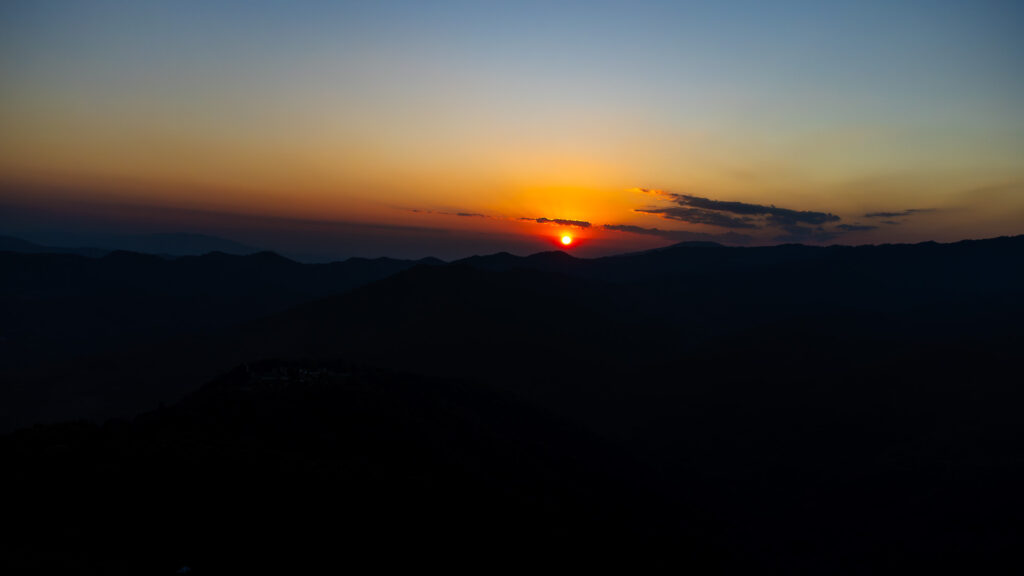
This is the most popular time to visit Northern Thailand. And it’s popular for good reason.
Northern Thailand Weather in Cool Season
Temperatures range from 20°C to 30°C during the day. Cooler in the mountains. Mornings can be chilly. Especially in places like Mae Salong or higher elevations. You might need a light jacket in the evenings.
The air is clear. Skies are blue. No rain. It’s the best weather you’ll get in Northern Thailand all year.
When I visited in January 2026, the weather was perfect. Cool mornings around 18-20°C. Warm afternoons hitting 28-30°C. Clear skies every single day. I rode from Chiang Mai to Chiang Rai. Did the Samoeng Loop. Visited Mae Kampong. And the weather never interfered. Not once.
Why People Love Cool Season
This is the best time for outdoor activities. Hiking. Scooter riding. Visiting temples. Exploring villages. Everything is easier when the weather is comfortable.
The visibility is excellent. You can see the mountains clearly from dozens of kilometers away. Sunsets are beautiful. Photos turn out great because the air is clean.
The Downside
It’s busy. Peak tourist season means crowded temples. Fully booked guesthouses. Higher prices. Especially around Christmas and New Year.
If you’re visiting during this time, book accommodation in advance. Popular places fill up fast.
Burning Season in Northern Thailand (Feb–Apr): Air Quality, Smoke & What to Expect
This is the most important section. Pay attention.
Burning season is when farmers across Northern Thailand and neighboring countries burn their fields after harvest. This is a centuries-old agricultural practice. They burn the old crops to clear land for the next planting season.
The problem? All that smoke doesn’t just disappear. It accumulates in the valleys. Hangs in the air. And creates serious air quality issues across the region.
When Burning Season Happens
Burning season Thailand typically runs from late February through April. It peaks in March. Some years it starts earlier. Some years it drags into early May. But March is almost always the worst.
What It Looks Like
The mountains disappear behind a thick gray haze. The sky isn’t blue anymore. It’s white. Or gray. Sometimes you can’t see buildings a few blocks away.
The air smells like smoke. Your throat feels scratchy. Your eyes might itch. It’s not pleasant.
Air Quality Issues
This isn’t just a little haze. The Air Quality Index (AQI) regularly hits 200. 300. Sometimes even 500+. For context, anything above 100 is considered unhealthy. Above 300 is hazardous.
Chiang Mai has, on multiple occasions, been ranked the most polluted city in the world during peak burning season.
PM2.5 is the main concern. These are tiny particles that get past your respiratory system and go straight into your bloodstream. Thailand considers anything over a PM2.5 of 50 to be unhealthy. During burning season, it regularly exceeds 150 or even 200+.
Check the AQI Here – Chiang Mai AQI
Why It Happens
It’s not just Thai farmers. Cross-border smoke from Myanmar and Laos contributes significantly. Even if Thailand stopped all burning tomorrow, smoke would still drift in from neighboring countries.
Chiang Mai and Chiang Rai are particularly affected because they sit in valleys surrounded by mountains. The geography creates a natural bowl that traps polluted air.
How It Affects Travel
Outdoor activities become difficult. Hiking is not recommended. Scooter riding isn’t fun when you’re breathing smoke all day. Even walking around temples feels uncomfortable.
Visibility drops to almost nothing. Those mountain views you came for? You can’t see them. Photos look washed out. Everything is covered in haze.
Health impacts vary. Some people don’t feel much. Others experience coughing, chest congestion, headaches, or respiratory issues. If you have asthma or other breathing problems, avoid this period entirely.
What You Can Do
If you must visit during burning season, here’s how to manage it:
Wear an N95 mask outdoors. Regular surgical masks don’t filter PM2.5. You need a proper N95 or KN95.
Stay indoors when air quality is bad. Hotels with air purifiers help. Cafés with AC. Shopping malls. Limit outdoor time.
Check AQI daily. Use apps like IQAir or websites that track real-time air quality. Plan your day around it.
Consider staying shorter. A few days is manageable. A few weeks gets exhausting.
Rainy Season in Northern Thailand (May–October): Is It Still Worth Visiting?
The rainy season gets a bad reputation. But it’s not as bad as people think.
Northern Thailand Weather in Rainy Season
Rain doesn’t fall all day. It usually comes in heavy bursts. Afternoon or evening showers. An hour or two. Then it stops. Blue skies return.
Temperatures stay warm. 25°C to 32°C. Humid. But the rain cools things down.
What Changes
Everything turns green. Rice fields are lush. Waterfalls are flowing. Rivers are full. The landscape looks completely different than in the dry season.
Fewer tourists. Way fewer. Hotels and guesthouses drop their prices. Popular spots aren’t crowded. You get a more relaxed experience.
The Challenges
Rain can disrupt plans. If you’re planning a full day of outdoor activities, you might get rained out halfway through.
Roads in rural areas can flood. Some mountain roads become impassable. Trekking trails get muddy.
Humidity is high. It feels sticky. Clothes take forever to dry.
Who Should Visit
Rainy season works well for slow travelers. People who don’t need to rush through a checklist. You adjust your plans around the weather. Sit out the rain in a café. Enjoy the green landscapes. Experience a quieter side of Northern Thailand.
It’s also good for budget travelers. Lower prices. Fewer crowds. Better deals on accommodation.
Northern Thailand Weather by Month (January to December Guide)
Here’s a month-by-month breakdown of what to expect.
January: Perfect. Cool mornings (18-20°C), warm days (28-30°C), clear skies. Best month overall.
February: Still good early in the month. Temperatures rising. Burning season starting to build by late February.
March: Worst month. Peak burning season. AQI spikes. Hot (35-40°C). Avoid if possible.
April: Still hot (38-42°C). Burning season winding down but still present. Air quality improving by late April.
May: Hot but first rains start. Air clears. Green returns. Fewer tourists.
June: Early rainy season. Rain more frequent but manageable. Still warm.
July-August: Peak rainy season. Heavy afternoon showers. Everything is lush. Fewer crowds.
September: Rain starting to taper off. Still green. Good shoulder season.
October: End of rainy season. Occasional rain. Landscapes still green. Crowds haven’t returned yet.
November: Transition month. Rain ending. Cool season beginning. Weather improving daily.
December: Cool season in full swing. Comfortable temperatures. Busy around holidays.
Best Months to Visit Northern Thailand Based on Travel Style
Let me break this down clearly based on what you’re looking for.
Best weather overall: November to January. Cool. Dry. Clear skies. This is peak season for a reason.
Best time to visit Chiang Mai: January. Perfect weather. Clear air. Comfortable temperatures.
Best for fewer crowds: May to June. Rainy season has started but it’s not heavy yet. Prices drop. Fewer tourists. Weather is still manageable.
Best for greenery and waterfalls: July to September. Peak rainy season. Everything is lush. Waterfalls are at their best. But expect rain.
Best to avoid haze: Late April onwards after burning season clears. Or November through January before it starts.
Best for budget travel: Rainy season (May-October). Lower accommodation prices. Fewer crowds. Better deals everywhere.
Comparison Table: Northern Thailand Seasons
| Season | Months | Temperature | Pros | Cons |
| Cool Season | Nov–Feb | 20-30°C | Perfect weather, clear skies, best visibility, ideal for outdoor activities | Crowded, high prices, need to book in advance |
| Hot + Burning | Feb–May | 35-42°C | Fewer crowds after March | Extreme heat, terrible air quality (March worst), low visibility, health concerns |
| Rainy Season | May–Oct | 25-32°C | Lush green landscapes, fewer tourists, lower prices, cooler than hot season | Afternoon rain, humidity, some roads flooded, outdoor plans disrupted |
Best Time to Visit Chiang Mai & Chiang Rai
Both cities follow the same general seasonal patterns. But the best time to visit is November to January.
Chiang Mai Weather
Chiang Mai sits in a valley. This makes it hotter in the hot season (often hitting 40°C+ in April). And it traps smoke during burning season worse than Chiang Rai.
Best months for Chiang Mai: December and January. Perfect weather. Cool mornings. Warm days. Clear air.
Chiang Rai
Chiang Rai is slightly cooler year-round. And being further north, it sometimes gets less smoke during burning season (though not always).
Best months for Chiang Rai: November to January. Cool mornings. Clear mountain views.
Both cities are terrible during burning season (March). And both are manageable but humid during rainy season.
Chiang Mai vs Chiang Rai Weather: Key Differences You Should Know
Both cities follow similar patterns. But there are differences worth noting.
Chiang Rai
Chiang Rai is slightly cooler than Chiang Mai. Especially in the cool season. Morning temperatures can drop lower. You’ll need warmer clothes in December and January.
Mountain regions around Chiang Rai like Mae Salong get even colder. Temperatures can drop below 10°C at night in the cool season.
Chiang Mai
Chiang Mai sits in a valley surrounded by mountains. This creates a bowl effect that traps heat in the hot season and smoke during burning season.
Chiang Mai weather during hot season is brutal. 40°C+ is common in April. And burning season hits harder because the smoke has nowhere to go.
Rainfall is similar in both cities during rainy season. But Chiang Mai’s urban heat makes the humidity feel more intense.
Should You Visit Northern Thailand During Burning Season?
Here’s my honest take.
If you can avoid it, avoid it. March is the worst time to visit Northern Thailand. The air quality is bad. The heat is intense. It’s just not a good time.
But if your dates are fixed and you have to visit in February, March, or April, it’s not the end of the world. You can still have a decent trip. Just adjust your expectations.
When It’s Manageable
Early February is usually okay. Burning hasn’t peaked yet. Air quality might be fine some days.
Late April is also better. The worst is over. First rains start clearing the air.
When It’s Worst
Mid-March. This is when AQI spikes the hardest. Chiang Mai regularly hits 300+ AQI. The mountains disappear. Visibility drops to almost nothing.
If you’re visiting during this time, have a backup plan. Consider spending part of your trip in Southern Thailand where air quality is much better.
Alternatives
Spend less time in Chiang Mai and Chiang Rai. Do a few days. See the main temples. Then head south to the islands where the air is clear.
Focus on indoor activities. Museums. Cooking classes. Cafés. Shopping. Things that don’t require breathing outdoor air all day.
Best Time for Slow Travel in Northern Thailand
I’m biased. I travel slowly. I don’t rush. And for that style of travel, shoulder seasons work better than peak season.
May and June
The crowds thin out. Prices drop. Rain hasn’t gotten heavy yet. You can still explore comfortably. And the landscape starts turning green.
September and October
Rainy season is winding down. Everything is still lush. But the rain is less frequent. Fewer tourists. Calmer atmosphere.
These months don’t have perfect weather. But they give you a more authentic experience. You’re not competing with tour groups for space. You’re not paying peak season prices. And honestly? A little rain never ruined a trip.
Final Verdict: When Should You Visit Northern Thailand?
Best overall time to visit Northern Thailand: November to January. You get the best weather. Clear skies. Comfortable temperatures. It’s peak season for a reason.
Months to avoid: March. Maybe late February and early April too. Burning season is real. And it significantly affects the experience.
Alternative timing: May to June or September to October if you want fewer crowds and don’t mind occasional rain.
Don’t let weather completely dictate your plans. But be realistic about what to expect. Visiting in March without knowing about burning season will leave you disappointed. Visiting in August expecting zero rain is setting yourself up for frustration.
Check the weather before you book. Plan accordingly. And you’ll have a much better trip.
Frequently Asked Questions.
When is the best month to visit Northern Thailand?
January. Perfect weather. Cool mornings. Warm days. Clear skies. No rain. No burning season. This is the sweet spot.
What is the worst time to visit Northern Thailand?
March. Peak burning season. Air quality is terrible (AQI often 200-500+). Heat is extreme (38-42°C). Visibility is awful. Skip this month if you can.
Is burning season dangerous?
For healthy adults, it’s uncomfortable but not immediately dangerous for short stays. For people with respiratory issues, kids, or elderly, it can cause real problems. If you have asthma or other breathing conditions, avoid March entirely.
Does it rain all day during rainy season?
No. Rain usually comes in short heavy bursts. Afternoon or evening showers. An hour or two. Then it clears up. You can still travel. Just plan around the rain.
Is Northern Thailand cold in winter?
Not really. Daytime temperatures are warm (25°C to 30°C). But mornings and evenings can be cool, especially in the mountains. Bring a light jacket for December and January.
Can I still visit during burning season?
Yes. But manage your expectations. Wear an N95 mask. Check AQI daily. Limit outdoor time when air quality is bad. Consider shorter stays or split your trip between north and south.
Is April too hot in Chiang Mai?
Yes. April is the hottest month in Chiang Mai. Temperatures regularly hit 40-42°C. Combined with burning season smoke, it’s one of the worst months to visit.
When is air quality best in Northern Thailand?
November to January. After the rainy season clears the air and before burning season starts. This is when visibility is best and you can actually see the mountains.
