An honest, experience-based guide to living in Chiang Mai on a budget — covering real costs, daily life, where to stay, and whether slow living here is right for you(CLICK HERE).
Table of Contents
If you’ve already heard that Chiang Mai is amazing and affordable, you’re not wrong. But most guides stop there. They tell you it’s cheap. They tell you about temples and cafés. Then they give you a list.
This isn’t that kind of guide.
What you actually need is something that tells you how to stay here. How much you really need. Where to live. How to eat without thinking about it too much. How to get around. The stuff that matters when you’re here for more than three days.
So, let’s talk about Chiang Mai the way it actually is when you’re living in it.
Why Chiang Mai Works So Well as a Base
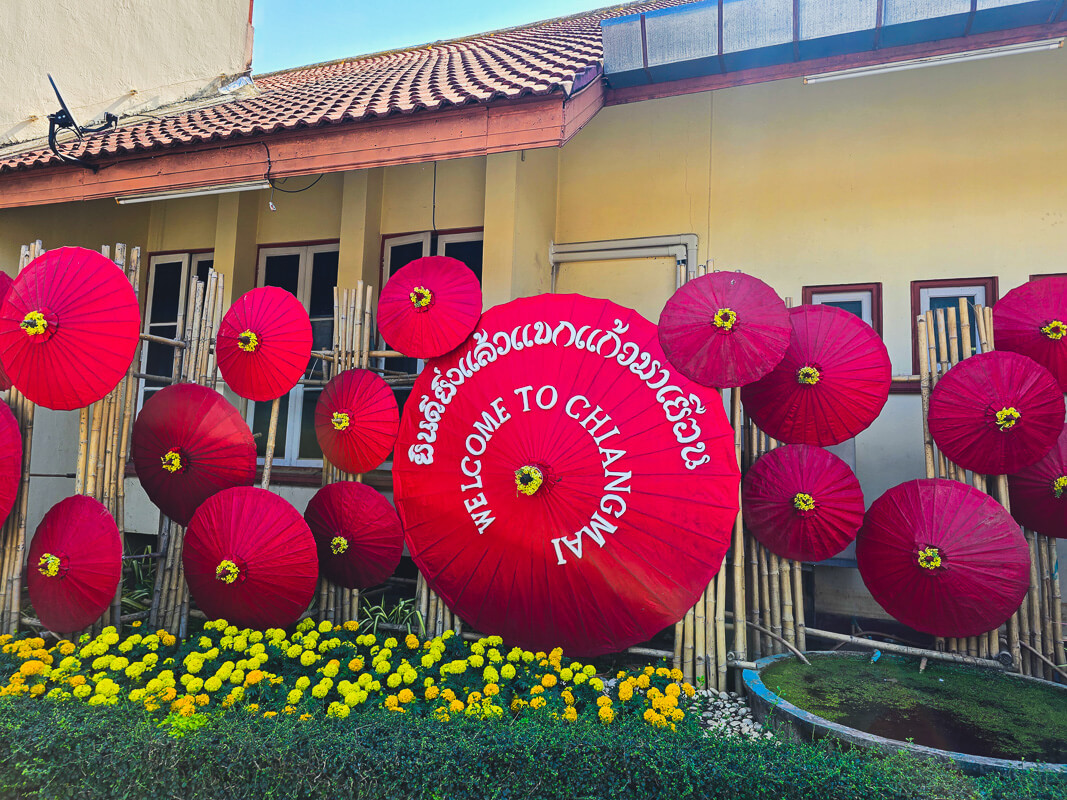
Okay so why Chiang Mai?
If you’re planning to explore North Thailand, you could start anywhere. A remote village. Chiang Rai. Whatever. But here’s the thing. Most people, especially if this is your first time in the North, don’t want to jump straight into the middle of nowhere. You want somewhere that eases you in. Modern enough to feel comfortable. Local enough to feel real.
Chiang Mai is that place.
It’s got this balance. One street has a 7-Eleven and a Cafe Amazon. The next street has a woman selling som tam from a cart and monks walking by at dawn. It doesn’t feel like a tourist trap. But it also doesn’t feel scary. You can settle in here without feeling overwhelmed.
And that balance is everywhere. Cost, comfort, peace. This city has the right mix for people who want to enjoy themselves and have their own space at the same time without destroying their budget.
Another reason? Connectivity. Chiang Mai is well connected by buses and trains. If you’re coming from Bangkok, you can catch a direct bus or train. My recommendation? Night journey. It saves you one night of accommodation and you wake up in a completely different part of the country. If your budget allows, you can fly. But if you want my opinion, I’d never recommend domestic flights.
I have this theory. Whenever I’m in a country, I like exploring it via roads or rails. Number one, it saves money as a budget backpacker. But more than that, you learn about the roads, the journey, how locals actually travel. You interact with people. That’s my favorite part of being a solo traveler. Planes skip all that. You’re in the air, then on the ground, and you’ve learned nothing about the space in between.
One more reason for choosing Chiang Mai: the locals. The warmth you get from people here is unmatched. I’ve always found Thai people kind and helpful, no matter which part of Thailand I’ve traveled to. Chiang Mai especially.
Choosing the Right Area to Stay in Chiang Mai
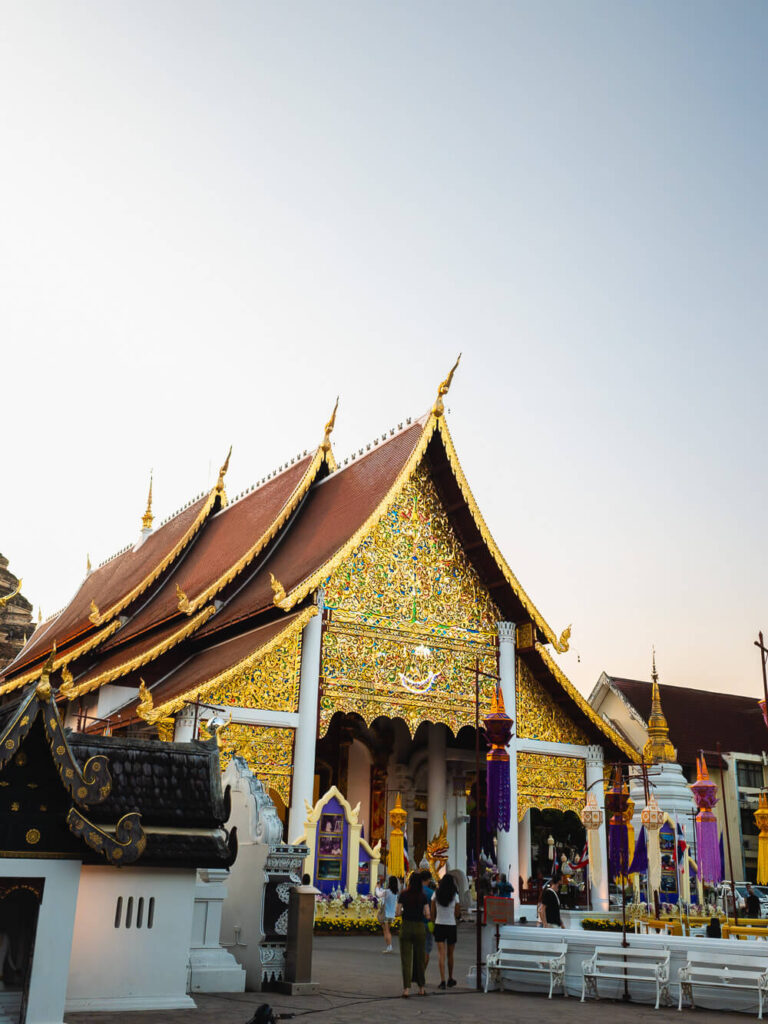
Okay so you’ve decided on Chiang Mai. Now where do you actually stay?
If you ask me, I’d choose the Old City. Every time I’ve been here, I’ve stayed in the Old City. Why? Because it’s accessible to everything. Night markets, bus station, train station. Most hostels are here and they’re cheaper too.
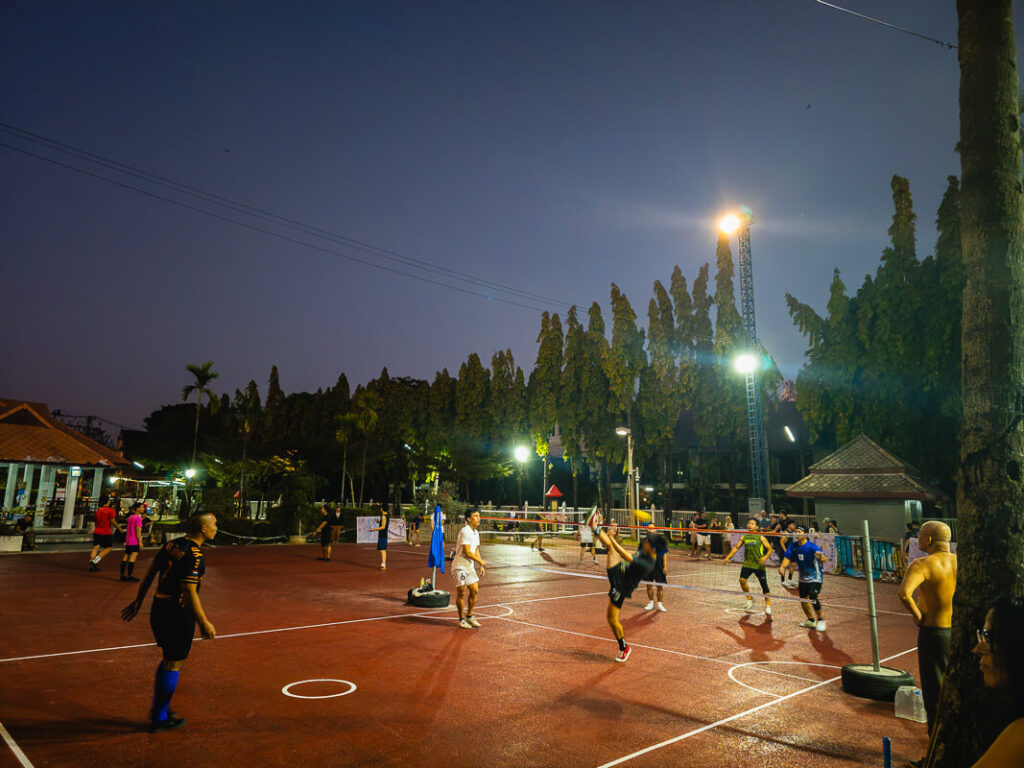
If this is your first time, I’d highly recommend the Old City. It’s just right. Everything’s walkable. I like to stay near Wua Lai Walking Street. It means I can walk to the night market and also walk to my favorite park, which is straight from Wua Lai. The park is called Buak Hard Public Park and it’s my go-to place in the evening when I just want to relax. You’ll see people doing all kinds of things. Basketball. Yoga. Zumba. They even have an outdoor gym. I’d recommend checking it out if you need somewhere to decompress.
If you want something nicer with shopping malls and fancier hotels, check out Nimmanhaemin. I’ve never stayed there so I don’t have personal experience. But I visited and it looks nice. Just know it’s a different vibe. More polished. Less local.
Daily Costs When Living in Chiang Mai on a Budget
Alright let’s talk money. How much do you actually need?
We’ll cover food and accommodation here. Transportation comes later.
Accommodation first. I stay in hostels and my max budget is Rs. 600 to Rs. 700 per night (around $7–$8 USD). That includes free breakfast. I’ve stayed in a lot of hostels during my three trips here. I could give you a list but I don’t want to be biased and force you into choosing somewhere just because I chose it. So I’ll let you make that decision.
I will give you one name though. Last time I stayed at Thai Thai Hostel which was around Rs. 620 per night (about $7.50 USD) and they had free breakfast.
Here’s how I book. I’ve only used two apps: Agoda and Booking.com. Nowadays I use Agoda for everything. I’ve found it to be the cheapest. The price I paid was during high season. I was traveling in January. If you come during low season, prices will be lower.
Now let’s talk food. I don’t know about you but I’m a big fan of local Thai food. I’ve only gone to a nice restaurant once or twice during my month-long stay. I would always go to a local spot and I don’t think you can go wrong with any of them.
Again, there are tons of recommendations out there but I want you to choose yourself. I’ll give you one recommendation like I did with the hostel. The last local restaurant I used to go to daily is called “WE ORDER FOOD.” This is one of my favorites and you cannot go wrong here.
Now you might have noticed I don’t give you top 10 lists. There’s a reason. It’s how I travel. I like to find new hostels myself. Find new local restaurants myself and try them to see which suits my taste. What I like, you might not. So I’d recommend trying restaurants near your hostel that are walking distance. If you’re staying long-term, you can go there daily. And if you still want a top 10 list, just shoot me an email and I’ll happily provide it.
Total food costs per day?
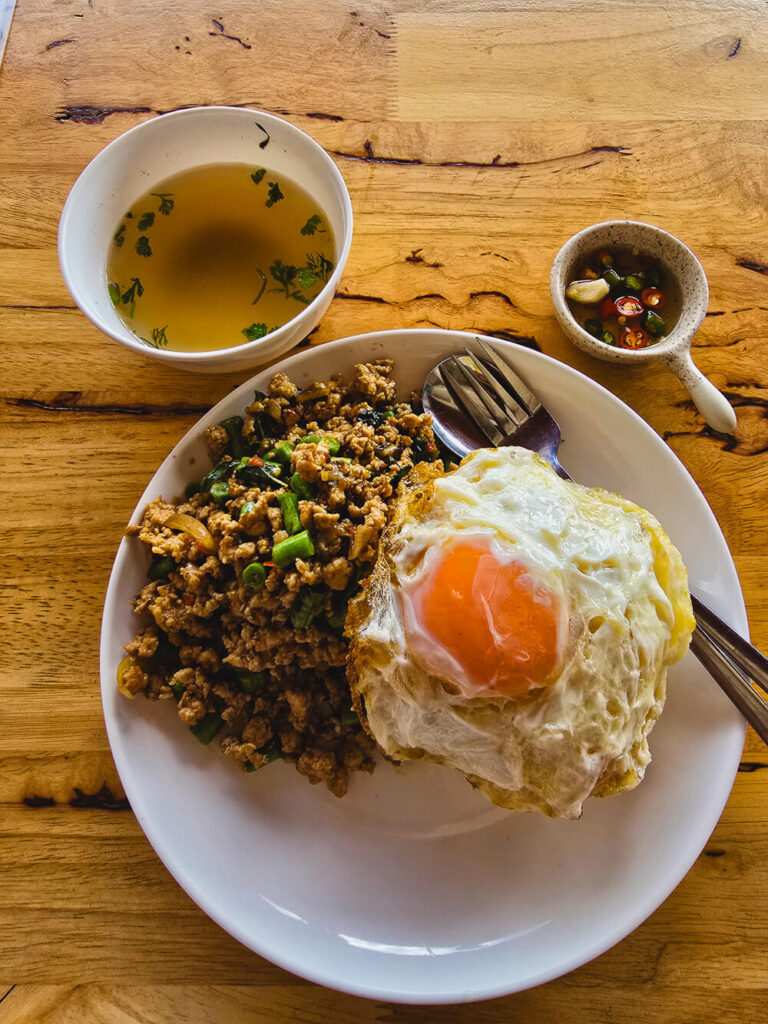
I personally would never cross 250 THB per day (about $7 USD). My go-to dish? Pad Kra Pao which would cost me 60 THB (around $1.70 USD). Then I’d go to the market for a juice which is around 25 THB for juice ($0.70 USD) or 35 THB for a smoothie ($1 USD). For dinner I’d have some gyoza along with my Pad Kra Pao, which is 50 THB for 6 pieces (about $1.40 USD).
My day would go like this. Free breakfast at the hostel. 80 to 100 THB lunch ($2.30–$2.80 USD). And 150 THB dinner ($4.30 USD). Not bad huh?
Daily Costs – Under 15$
| Accommodation | Food |
| $7 – $8 USD | $7 USD |
Getting Around Chiang Mai on a Budget
A scooter. I cannot stress this enough.
The more duration you rent, the cheaper it gets. Prices from Jan 2026. For a 125cc scooter: 200 THB daily ($5.70 USD), 1,100 THB weekly ($31 USD), 2,700 THB monthly ($77 USD). For a 150cc scooter: 400 THB daily ($11.40 USD), 1,900 THB weekly ($54 USD), 5,000 THB monthly ($142 USD).
Here’s the thing. If you’re planning trips outside Chiang Mai into the mountains, you’ll need a 150cc scooter. Almost all rental places will only allow 150cc or above if you’re heading outside the city. Too many breakdowns with smaller engines in the past. Mountain roads have real inclines and a 125cc won’t cut it. So don’t think you can save money with a smaller bike for mountain trips. They won’t let you.
If you’re just staying in the city, 125cc is fine. But for Samoeng Loop, Chiang Rai, or anywhere in the hills, get the 150cc. Trust me.
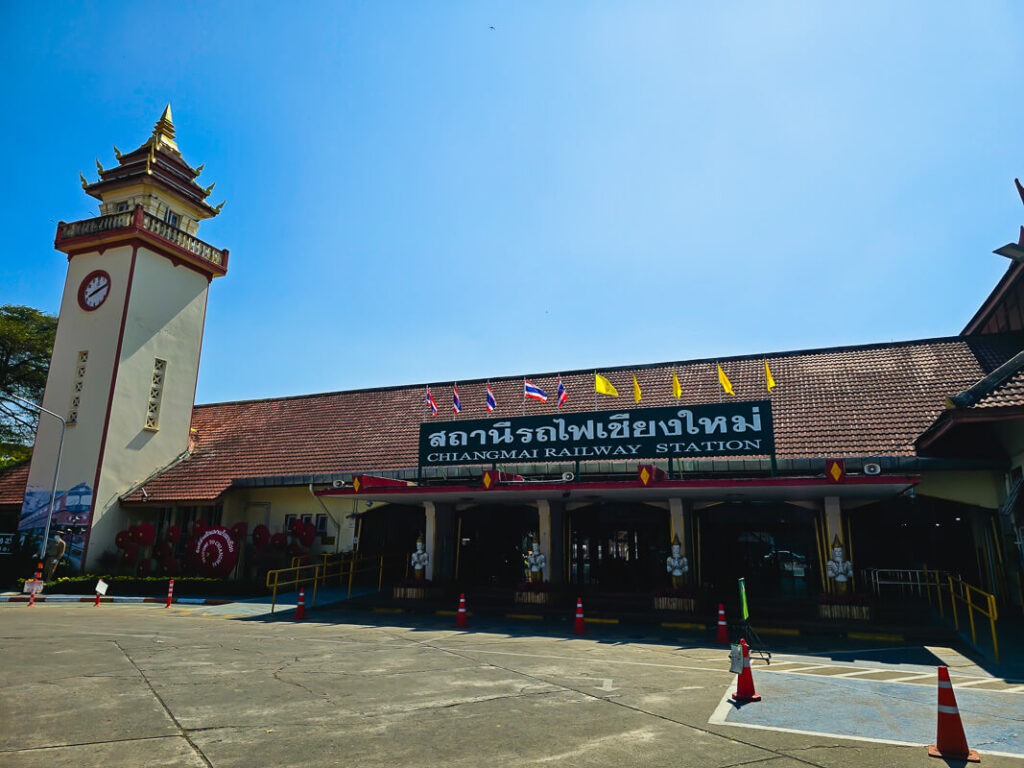
You can also use songthaews. You’ll see them around most corners of the Old City. They go to Doi Suthep, Nimmanhaemin Road, other major spots. I don’t think they have a fixed schedule though. I tried them a few times but found them inconvenient. The only time I’d use them is getting from the railway station to Old City. They cost around 60 THB ($1.70 USD).
For me, scooter is the move. You leave when you want. Stop when you want. You’re not waiting for anyone.
Transportation Cost
| Duration | 125 cc | 150 cc |
| 1 Day | 200 THB ($5.7 USD) | 400 THB ($11.40 USD) |
| 1 Week | 1100 THB ($31 USD) | 1900 THB ($54 USD) |
| 1 Month | 2700 THB ($77 USD) | 5000 THB ($142 USD) |
Food, Cafés & Everyday Eating in Chiang Mai
Okay so I’m not a coffee or tea person. I’m more of a smoothie and juice person. I tried the coffee thing but turns out it’s not for me. The only times I visit a café are when my girlfriend wants to or when I need high-speed internet for working if I’m bored of the hostel common room.
Other than that I skip cafés.
But if you’re into cafés and coffee, Chiang Mai has a lot to offer. Whichever corner of the Old City you’re in, type “cafés around me” and you’ll find options. Just keep in mind this won’t fit into the 250 THB daily food budget. Cafés get expensive here. They can easily double or triple your daily budget in one meal. Be aware of that.
Let’s talk about eating cheaply without overthinking. The beauty of Chiang Mai is you don’t have to research. Walk around. See a local spot with plastic stools and Thai people eating. Sit down. Point at what someone else is having. Smile. They’ll bring food. It’ll be good. It’ll be cheap. That’s it.
I’ve eaten at so many random places this way. Never had a bad experience. The worst that happens is the food isn’t exactly what you expected. But it’s never bad. And it’s always cheap. You learn quick that places with no English signs and no foreigners are usually the best.
Markets are your best friend. Not the touristy night markets selling pad thai to foreigners for 100 THB. I’m talking local markets where vendors cook for locals. They’re set up on street corners. Few plastic tables and stools. Maybe a tarp overhead. The woman cooking has been doing this for twenty years. Those are the spots.
You’ll find them everywhere. Walk around in the morning or late afternoon and you’ll see them. I used to pass three or four every day. Every time I’d think, I should try that one tomorrow. Sometimes I did. Sometimes I forgot. But they’re everywhere. You don’t need a guide. Just walk and pay attention.
Cafés are fine if that’s your thing. But they’re not necessary. If you’re staying in Chiang Mai for a week or more, you’ll realize the real food culture isn’t in trendy spots with English menus and latte art. It’s on street corners. In markets. In spots with no signs. Once you start eating at those places, you won’t want to pay 150 THB ($4.30 USD) for coffee and a pastry.
Here’s another thing. When you eat like this, you can stay for weeks without burning money. The longer you stay, the more you settle into a rhythm. You find your breakfast spot. Your lunch spot. Your evening smoothie spot. It stops being a novelty and becomes part of your day. That’s when Chiang Mai really works.
What Daily Life in Chiang Mai Actually Feels Like
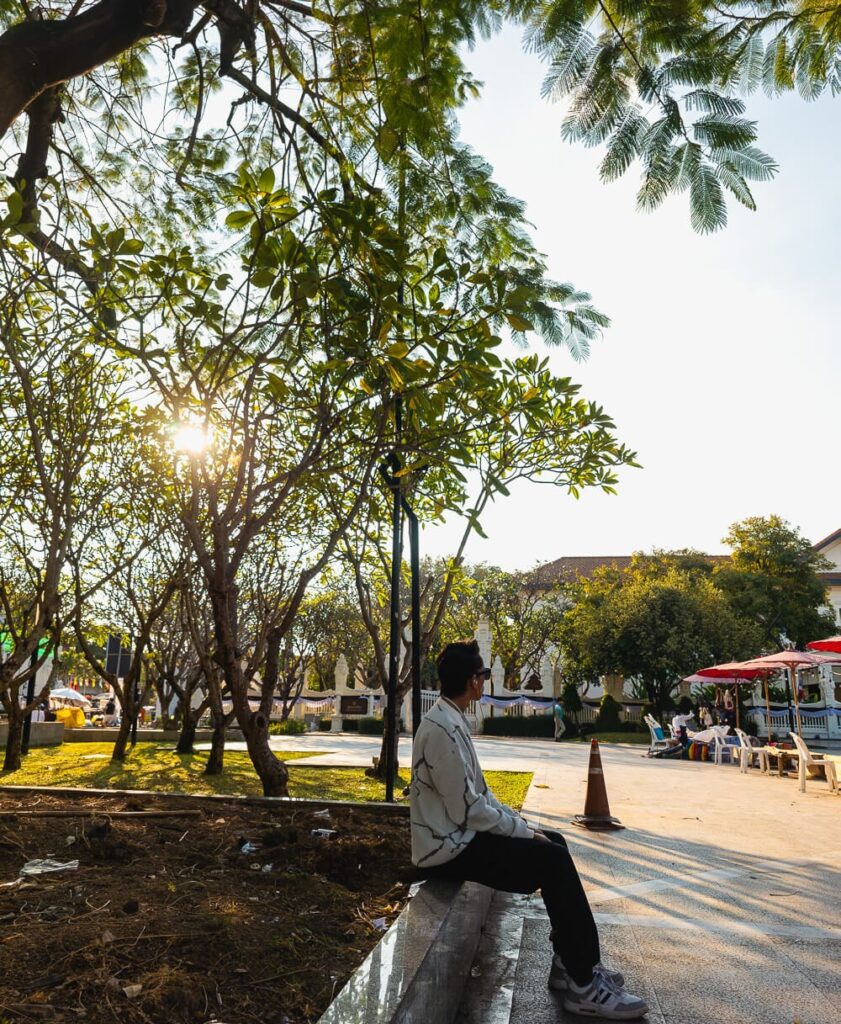
Let’s talk about what Chiang Mai actually feels like when you’re not running around.
The pace is different. Mornings are quiet. You wake up and the city’s just starting. People sweeping sidewalks. Monks walking by. It’s calm.
Evenings are gentle. Light changes around 5 or 6 p.m. and everything gets softer. People show up at parks. Street vendors set up. Not dramatic. Just the rhythm of the day shifting.
Streets in the Old City can get crowded. Especially around night markets or main temple areas. But walk two blocks in any direction and you’ll find quiet streets. Residential neighborhoods. People just living. Dogs sleeping in shade. Scooters parked outside houses. Normal life.
That’s the thing about Chiang Mai I wish more people understood. It has the highlights. Temples. Markets. Cafés on Instagram. But it also has the in-between. The parts where nothing’s happening and that’s the whole point.
This is why I didn’t write a top 10 list. Why I didn’t give you an itinerary. Why I’m not telling you which temples to visit. Because Chiang Mai isn’t somewhere you “do.” It’s somewhere you live. Even if just for a week.
Your experience depends on whether you slow down enough to let it happen. If you come with a packed schedule, you’ll see highlights. Take photos. Eat at recommended spots. Leave thinking it was nice. But you won’t get it.
But if you actually stay. If you eat the same dish at the same restaurant three times in one week. If you sit in a park for an hour doing nothing. If you ride your scooter down a random street to see where it goes. That’s when you understand why people keep coming back.
Crowds exist. Touristy parts exist. But they’re easy to step away from. Once you do, you realize Chiang Mai is just a regular city where people live regular lives. And you can too. At least for a while.
How Long to Stay in Chiang Mai (Realistic Advice)
So how long should you stay? Honestly, depends.
If you’re just passing through and Chiang Mai is one stop on a longer trip, a few days works. You’ll get a feel. See a temple or two. Eat good food. Move on. I’ve done that. It’s fine.
But if you’re reading this, I’m guessing that’s not what you’re after. I’m guessing you’re tired of moving every two days. Tired of always adjusting. Tired of never settling anywhere.
If that’s you, stay longer. At least a week. Two weeks better. A month if you can.
I’ve been three times. First time five days. Second time two weeks. Third time a month. Difference between five days and a month is massive. Not because I saw more. I did less. But I felt like I was living there instead of visiting. Changes everything.
Here’s what happens when you stay longer. First couple days you’re in tourist mode. Figuring out where things are. Getting a scooter. Opening Google Maps constantly. All logistics. If you leave after three or four days, that’s all you get. Never move past setup.
But stay a week or more, something shifts. You stop thinking about what you should do. You just start doing things. Wake up. Same breakfast spot. Woman knows your order now. Ride to park. Sit for an hour. Grab lunch. Come back and work or read or do nothing. Go out for dinner. Ride around. Come back. Sleep.
Not exciting when I write it like that. But that’s the point. It stops being a performance and becomes your life for a while. Chiang Mai is really good for that.
Cost is low. You’re not spending tons every day. Infrastructure works. WiFi. Food. Everything you need. Vibe is calm. You don’t feel like you’re missing out by not doing something every day. You can just exist. That’s rare.
Chiang Mai might not work if you need to be doing stuff all the time. If you get bored easily. If you need packed schedule. Only so many temples. Only so many cafés. If you’re not okay with slowing down, you’ll get restless.
Also not great if you don’t want to rent a scooter. You can walk. Take songthaews. But less convenient. Lots of good stuff is spread out. If you’re calling Grab every time, that does get old fast.
And if digital nomad thing annoys you, Chiang Mai might feel weird. Lots of people working on laptops in cafés. Co-working spaces. Meetups. If that’s not your scene, it can feel like too much.
But if you’re cool with slower pace, if you like idea of routine in a new place, if you want to rest instead of constantly moving, Chiang Mai works. Just give it time. Week minimum. Two weeks better. A month if you really want to settle in.
How Chiang Mai Fits into a Northern Thailand Trip
If you’re planning a bigger Northern Thailand trip, where does Chiang Mai fit?
Most people use it as starting point. Makes sense. Most connected city in the North. You can fly in. Train. Bus. Once you’re here you have a base. Settle in. Get your bearings. Figure out how things work. Then explore outward.
Classic route is Chiang Mai to Chiang Rai. Chiang Mai is bigger, easier to navigate. Chiang Rai is smaller, quieter, more offbeat. So you ease in with Chiang Mai. Get used to the rhythm. Then head north when ready.
From Chiang Rai you can keep going. Mae Salong. Chiang Saen. Golden Triangle. Or loop back to Chiang Mai and use it as base for side trips. Samoeng Loop. Mae Kampong. Pai if that’s your thing, though I’d skip Pai. Too touristy now.
Beauty of using Chiang Mai as base is you’re not constantly packing up. Go out for two or three days. Explore new area. Sleep in different guesthouses. Ride through new towns. Then come back to Chiang Mai. Sleep in your own bed. Eat at your regular spot. Reset. When you’re ready, head out again.
I wrote a whole guide about this in my other article. The offbeat North Thailand itinerary. If you’re exploring beyond Chiang Mai, read that. Full picture of how to move through the North without rushing, burning out, or spending fortune.
Short version: Chiang Mai works as hub. Place to return to. Place that feels familiar even when everything else is new. You’re not just staying in Chiang Mai. You’re living there while exploring the rest of the North. When you come back from few days on the road, feels like coming home. Even though you’ve only been there a week.
Final Thoughts about Living in Chiang Mai on a Budget
Look, Chiang Mai isn’t perfect. Has touristy corners. Overpriced cafés. Crowds around night markets and main temples. Not some hidden gem. Everyone knows about Chiang Mai.
But here’s what it is. City where you can actually live on a budget. Wake up without alarm. Eat well for less than $7 a day. Rent a scooter and ride through quiet streets and feel like you’re not just passing through.
So don’t rush through trying to see everything. Don’t spend all your time in trendy cafés because some blog said to. Don’t pack days so full you never have time to sit somewhere and do nothing.
Just find a hostel in Old City. One that feels right. Rent a scooter for week or two. Walk around till you find a local spot you like. Eat there few times. Sit in Buak Hard Park one evening. Ride down a random street to see where it goes. Wake up one morning with no plan.
And if you do that, you’ll get it. You’ll understand why people come here and stay for months. Why they keep coming back. Why they talk about Chiang Mai like it’s not just another city on their list.
Because it’s not. It’s a place you can actually live in. Even if just for a little while.
If this resonates with you, come find me on Instagram. I share the real unfiltered version of these journeys. The ones that don’t make it into the highlight reel. Let’s explore this part of the world together.
Frequently Asked Questions
Is living in Chiang Mai on a budget actually realistic?
Absolutely. Living in Chiang Mai on a budget doesn’t mean depriving yourself; it means shifting your habits to match the local rhythm. By skipping the overpriced, Instagram-famous cafés and instead eating at local street stalls, renting a scooter for the long term, and staying in affordable Old City hostels, you can live comfortably and authentically without burning through your savings.
How much do I need per day for food in Chiang Mai?
If you eat like a local, you can comfortably keep your daily food costs under 250 THB (about $7 USD). This budget easily covers a full day of eating—including staples like a 60 THB plate of Pad Kra Pao, a fresh mango smoothie from a street cart, and an evening snack of gyoza. The key is to look for spots with plastic stools and no English signs.
Where is the best area to base myself for a long stay?
The Old City is the best starting point. It offers the perfect balance of convenience and local life. It is highly walkable, packed with budget-friendly hostels (typically around Rs. 600 to 700 per night during peak season), and gives you easy access to local food markets and spots to decompress, like Buak Hard Public Park.
Do I really need to rent a scooter in Chiang Mai?
While you can get around using shared songthaews or walking, a scooter gives you total freedom and is highly cost-effective if you rent weekly or monthly. If you plan to use Chiang Mai as a base to explore the steeper mountain roads of Northern Thailand, just make sure you rent a 150cc engine rather than a 125cc, as smaller bikes struggle on the inclines.
