Looking for the real Northern Thailand travel experience? Read my stories of slow travel, unexpected local kindness, and authentic moments beyond the temples.(CLICK HERE)
Table of Contents
I went to Northern Thailand for the places. Chiang Mai. Chiang Rai. Mae Salong. The mountains. The temples. The usual reasons.
But what stayed with me wasn’t the places. It was the people.
The small interactions that didn’t make it into photos. The random conversations pieced together through Google Translate. The moments where someone helped without expecting anything back.
This is my Northern Thailand travel experience through the people I met, not the places I saw.
How Kindness in Northern Thailand Comes Without Expectation
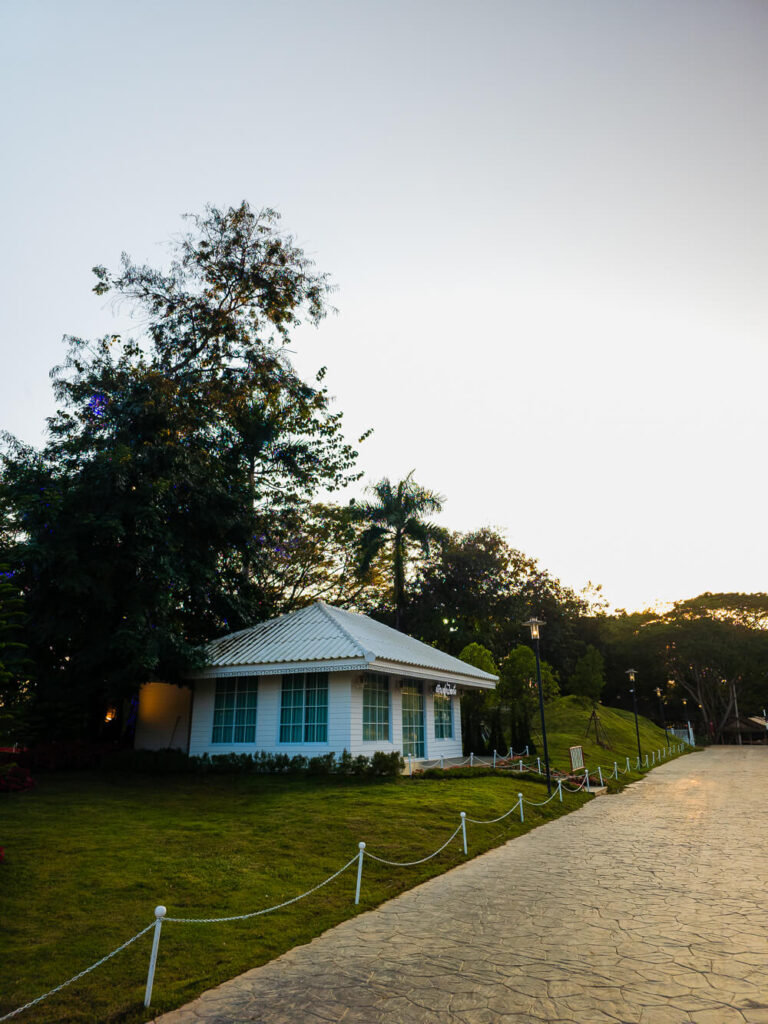
One thing I noticed early in Northern Thailand was how people helped without expecting anything in return, and it happened so casually that it took me a few days to realize how different this was from other parts of Thailand I’d visited.
I was lost on my scooter somewhere between Chiang Mai and the Samoeng Loop, pulled over to check Google Maps, when this guy on a motorbike stopped next to me. He didn’t speak English, I didn’t speak Thai, but he could see I was confused.
He pointed at my phone, I showed him the map, and without saying much he just gestured for me to follow him and rode ahead for maybe two kilometers until I got back on the right road. Then he waved and left. No money. No thanks needed. Just helped and moved on.
Another time in Chiang Rai, I was standing at a market trying to figure out which songthaew went where when an older woman saw me looking confused and came over. She asked something in Thai I didn’t understand, then just walked me three blocks to the right songthaew and told the driver where I was going.
She smiled. I said thank you about five times. She waved it off like it was nothing.
These weren’t big dramatic gestures, and that’s what made them stick. Just small acts of kindness that expected nothing back, which is rare in heavily touristed places where every interaction feels transactional.
What I Learned About Communication Without Language during my Northern Thailand travel experience
One of my favorite things about traveling Northern Thailand became talking to locals using Google Translate, which sounds clunky and awkward but ended up being more fun than I expected.
In Bangkok, you don’t need it much because people understand some English, enough to get by. But the higher you go north, the more English disappears, and honestly that made things more interesting because it forced me to actually connect with people instead of just transacting with them.
I’d walk into a local restaurant in Chiang Mai with no English menu and no one who spoke English, pull out Google Translate, type what I wanted, and show them the screen. They’d read it, laugh at the translation, nod, and cook. Sometimes they’d type back. Sometimes they’d just gesture. Sometimes we’d both give up on the app and just point at things until we figured it out.
There was this juice stall I went to almost every day near my hostel where the lady didn’t speak a word of English. I’d show up, she’d smile, I’d point at the mango, she’d make the smoothie. After three days, I didn’t even need to point anymore, she just knew what I wanted before I asked.
We never had a full conversation. But we understood each other in a way that felt more real than a lot of conversations I’ve had in perfect English.
That’s the thing about traveling in Northern Thailand, you don’t need perfect language to connect with people. Gestures work. Smiles work. Google Translate works. And sometimes just showing up to the same place twice is enough to build something that feels like friendship.
The Slower Pace of Life in Northern Thailand
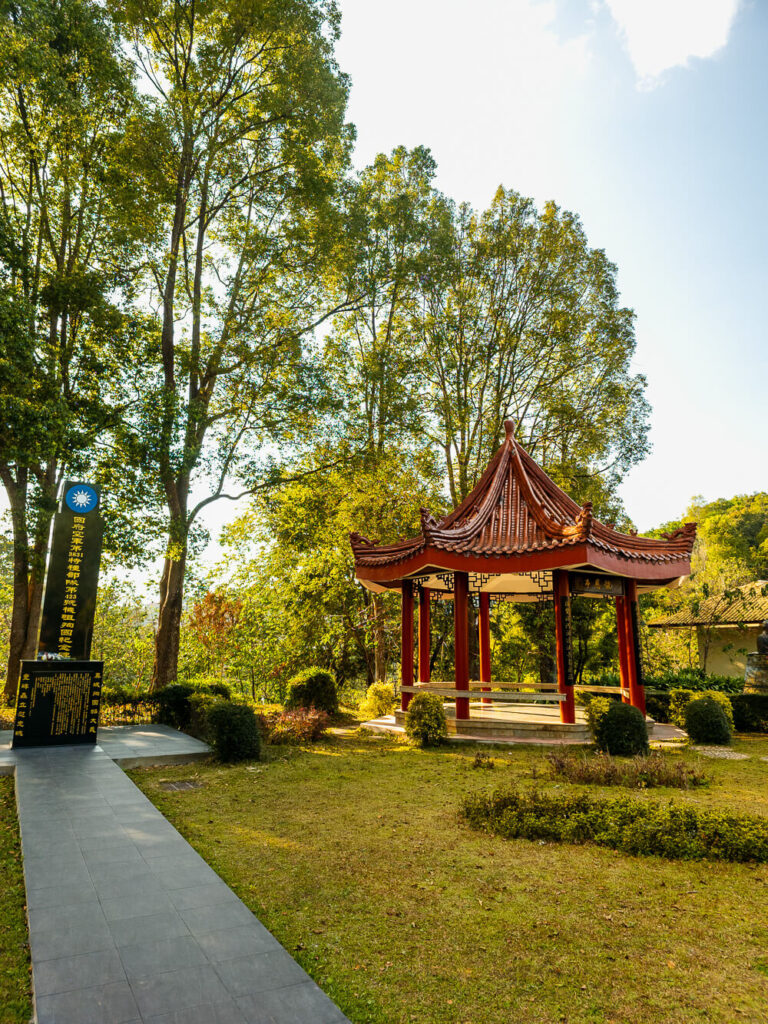
The locals in Northern Thailand move differently than people in Bangkok or Phuket, and it’s not something you notice right away but something you feel over days.
There’s less urgency in how they move, less rushing, less stress visible in their faces and body language. I noticed it most in Chiang Rai where people would sit outside their shops in the morning just watching the street, not on their phones, not doing anything productive, just sitting and being there.
The pace wasn’t lazy. It was intentional. Like they’d decided that rushing wouldn’t make the day better, so why bother.
And that pace influenced how I traveled without me realizing it at first. I started sitting at cafés longer without feeling guilty about not seeing enough things. I’d walk slower through markets instead of speed-walking to the next destination. I stopped trying to fit three activities into one afternoon because watching how locals moved made me realize there’s no rush, the place isn’t going anywhere, and neither was I.
One morning I sat at a riverside café in Chiang Rai for almost two hours watching boats drift by and locals walking their dogs while kids played nearby. I didn’t take photos. Didn’t post anything. Just sat there with my coffee getting cold because I was too absorbed in watching the rhythm of the morning unfold.
And that two hours felt more valuable than entire days I’ve spent rushing through cities checking things off a list.
Life in Northern Thailand Isn’t Built for Tourists (And That’s Better)
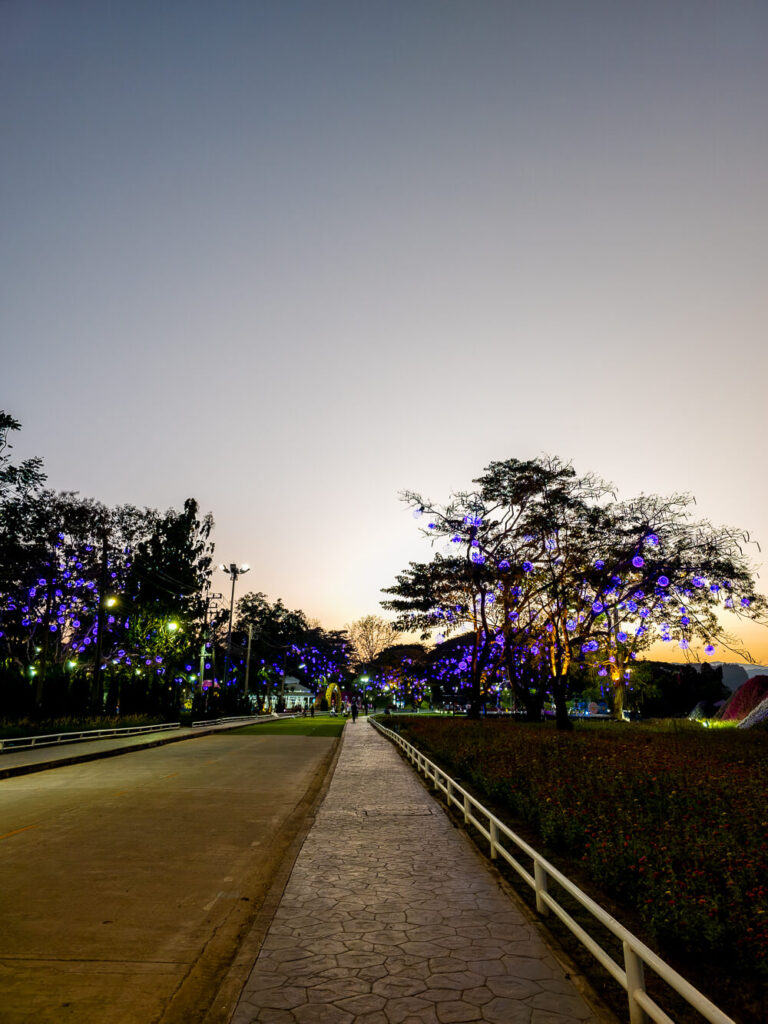
What struck me most about Northern Thailand wasn’t the fancy cafés or touristy spots, it was how much of everyday life just existed for locals without any performance or catering to visitors.
Small shops selling the same things they’ve probably sold for 20 years. Local markets where people bargained over vegetables in Thai with no English translations anywhere. Neighborhoods where life happened without any acknowledgment that tourists might be watching.
I walked around areas like near King Mengrai Monument in Chiang Rai where there were no tourists, just locals going about their day. Kids walking home from school. People eating at roadside stalls. Nothing Instagram-worthy, but real in a way that felt more meaningful than any temple or viewpoint.
And instead of everything revolving around making things easy for visitors like it does in Bangkok or Phuket, you had to adapt to how things worked there. The local markets didn’t have English signs. Restaurants didn’t have picture menus. Guesthouses didn’t always take credit cards. And that was fine, better than fine, actually.
It made me slow down and pay attention instead of just consuming a place. I had to figure things out, ask for help when I needed it, and connect with people instead of just buying from them.
I remember trying to buy fruits at Warorot Market in Chiang Mai with no idea what half the things were. The vendor lady saw me looking confused and lost, laughed, picked up a few fruits, mimed cooking motions, and showed me what to do with them through gestures and sound effects.
She didn’t have to do that, I wasn’t buying much and she had other customers waiting. But she took five minutes to help me understand because I was in her space trying to figure things out, not demanding that her space change to accommodate me.
That shift, me adapting instead of expecting, changed how I experienced Northern Thailand. I wasn’t a tourist being served. I was just someone temporarily living there, trying to fit into the rhythm of the place.
For more on what daily life looks like in Chiang Mai and how to navigate local culture, Chiang Mai Budget Travel Guide (2026): Costs, Tips & Cheap Things to Do.
Moments From Traveling Northern Thailand That Stayed With Me
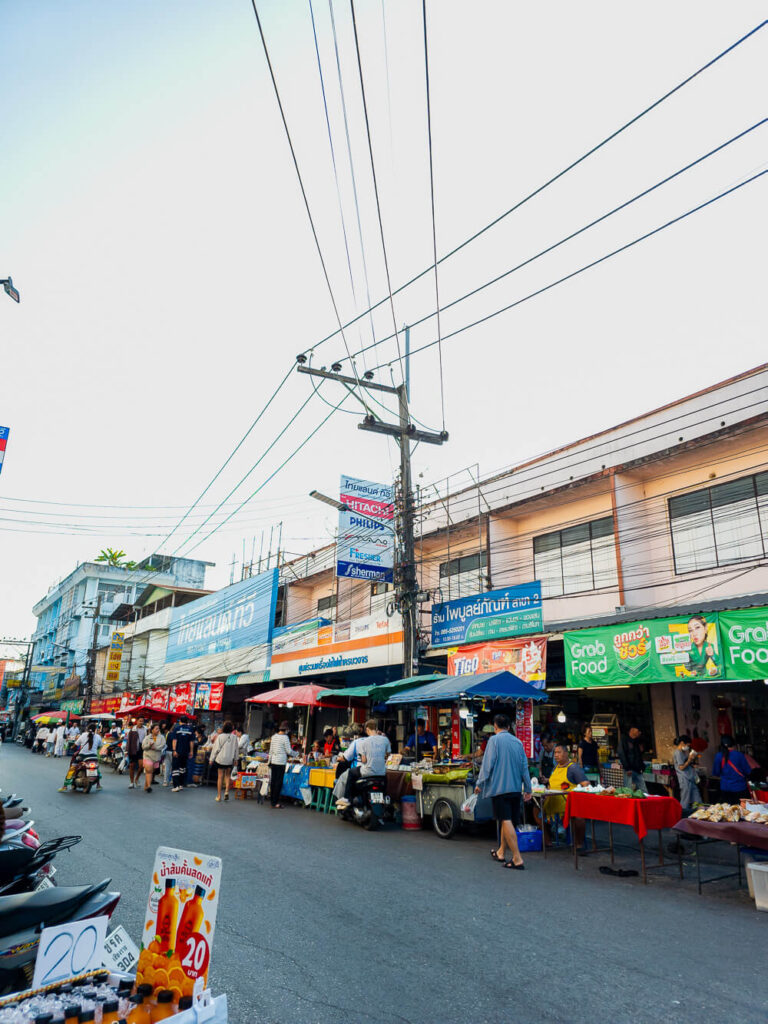
Let me tell you about a few specific moments that stuck with me long after I left.
The Pad Krapao Lady in Chiang Mai
There was this restaurant near my hostel in Chiang Mai, local spot, no English menu, plastic chairs and tables, the kind of place tourists walk past without noticing.
I started going there almost every day for lunch because the Pad Krapao was good and cheap and the location was convenient. After about five visits, the lady running the place started recognizing me when I walked in. By the seventh visit, she didn’t ask for my order anymore.
I’d walk in, she’d look up from whatever she was doing, and without saying a word she’d just shout to the kitchen: “PORK. SPICY. WITH EGG.”
That was it. My order. She knew exactly what I wanted before I opened my mouth.
I’d nod, she’d cook, I’d eat, and we’d exchange maybe three words the entire time. But that routine became one of my favorite parts of Chiang Mai, not because the food was life-changing or the restaurant was special, but because someone remembered me. In a city of hundreds of thousands of people, I became a regular somewhere, and that made me feel like I was part of the place instead of just passing through.
The Tea Shop Owner in Mae Salong
There’s a small tea shop on the main road in Mae Salong run by an old guy who grows his own tea in the hills behind the village.
I stopped there on my first morning and he made me a cup of oolong tea, then gestured for me to sit on the wooden bench outside. We didn’t talk much because he didn’t speak English and I didn’t speak Thai, but we sat there together drinking tea and looking at the mountains while the morning mist slowly lifted.
I came back the next morning, and the morning after that. By the third day, he’d see me walking up the road and just start pouring tea before I even sat down, like it was understood that this was our routine now.
We’d sit there together each morning exchanging a few words through Google Translate about the weather or the tea or how long I was staying, but mostly just sitting in comfortable silence. Nothing profound happened in those moments, but they felt like we’d known each other for years instead of days.
When I left Mae Salong, he waved from his shop as I rode away on my scooter, and I realized I’d never even learned his name but somehow that didn’t matter.
The Scooter Repair Guy in Chiang Rai
I had a flat tire on my scooter in the middle of Chiang Rai one afternoon and had no idea where a repair shop was or how to ask for one in Thai.
I was standing there staring at the tire trying to figure out what to do when this guy pulled up on his bike. He looked at the tire, looked at me, said something in Thai I didn’t understand, then gestured for me to follow him without waiting for an answer.
He led me three blocks to a small repair shop I never would have found on my own, talked to the mechanic for me in Thai, then waited while they fixed the tire even though he clearly had other places to be. When I tried to pay him for his time, he refused and just waved it off like helping some random lost tourist was the most normal thing in the world.
I never saw him again after that. Don’t even know his name. But that 20 minutes made me feel like I wasn’t just passing through as an outsider, like people actually cared, even if I was just some random foreigner on a scooter who would be gone in a week.
These moments weren’t dramatic or photo-worthy, but they’re what I think about when I think about Northern Thailand. Not the temples or the mountains, but the small interactions with people whose names I mostly don’t remember but whose kindness changed how the whole trip felt.
What Traveling Northern Thailand Taught Me
Northern Thailand taught me patience in a way other places haven’t, patience with communication when words don’t work, patience with not understanding everything right away, patience with letting things take time instead of rushing to the next thing.
It taught me to slow down and observe more carefully. To watch how locals move through their days, how they interact with each other, how they approach time and urgency. And to let that influence how I travel instead of forcing my own frantic pace onto a place that doesn’t move that way.
And it taught me that the best travel experiences aren’t always about the places you see or the photos you take. Sometimes they’re about the small interactions you have with people you’ll probably never see again, the lady who remembers your order, the old guy who shares his morning tea, the stranger who stops to help when you’re lost.
Those moments don’t show up in travel guides or Instagram posts. But they’re what made Northern Thailand feel real instead of just another destination to check off a list.
Final Thought
Northern Thailand gave me mountains and temples and beautiful places to see. But it was the people who taught me how to actually experience them.
They showed me that travel doesn’t have to be about collecting experiences or seeing everything. That sometimes the best moments are the ones you didn’t plan for. That kindness exists without expectation. That you can communicate without perfect language. That slowing down isn’t wasting time, it’s the only way to actually be present.
I went for the places. But I left changed by the people.
And if you go to Northern Thailand, I hope you let yourself be changed too. Talk to locals even through broken Google Translate conversations. Sit at the same café twice and become a regular. Let yourself adapt to the pace instead of rushing through. Pay attention to the small moments between the tourist attractions.
That’s where Northern Thailand actually lives. Not in the photos you’ll take, but in the moments between them that you’ll carry with you long after you leave.