This Vietnam slow travel guide covers my 50-day route, actual budget, and digital nomad tips. Learn how to travel slowly, work from cafes, and survive Tet in 2026. (CLICK HERE)
Table of Contents
I spent 50 days traveling across Vietnam in 2026 while working remotely. Not rushing between cities. Not ticking off Instagram spots. Just moving slowly enough to actually experience the place.
This Vietnam slow travel guide is everything I learned from those 50 days. The budget. The route. The mistakes. The highlights. And what it’s actually like when you stay somewhere long enough to stop being a tourist.
I’m not going to tell you Vietnam is easy. It’s chaotic. Sometimes frustrating in ways that make you question why you came. But it’s also one of the most rewarding places I’ve traveled to. The kind of place that sticks with you long after you leave.
Vietnam Slow Travel Itinerary (Quick Summary)
Duration: 50 days
Budget: $20–$28/day ($1,000–$1,400 total)
Best places: Sapa, Ninh Binh, Hoi An
Travel style: Slow, flexible, budget-friendly
Ideal for: Digital nomads, backpackers, remote workers
Route: Hanoi → Sapa → Hanoi → Ninh Binh → Hue → Hoi An → Da Lat → Ho Chi Minh
Who Should Use This Vietnam Slow Travel Guide?
This guide is for:
Digital nomads working remotely – Need WiFi, cafés, and affordable long-term stays
Backpackers traveling long-term – Stretching budget across weeks or months
First-time Southeast Asia travelers – Want to understand what Vietnam is actually like
People who prefer slow travel over rushed itineraries – Staying 5–10 days per place instead of 2–3
My 50-Day Vietnam Backpacking Route
Here’s how my 50 days broke down:
Hanoi (1 week) → Sapa (7 days) → Hanoi (3 days) → Ninh Binh (11 days) → Hue (5 days) → Hoi An (9 days) → Da Lat (3 days) → Ho Chi Minh (2 days)
I didn’t plan it this way. Some places I stayed longer because I got stuck. Some because I didn’t want to leave. And some I returned to because they became a kind of home base.
This Vietnam itinerary isn’t meant to be followed exactly. It’s meant to show you what’s possible when you give places time to open up instead of trying to see everything in 72 hours.
What This Vietnam Backpacking Route Taught Me
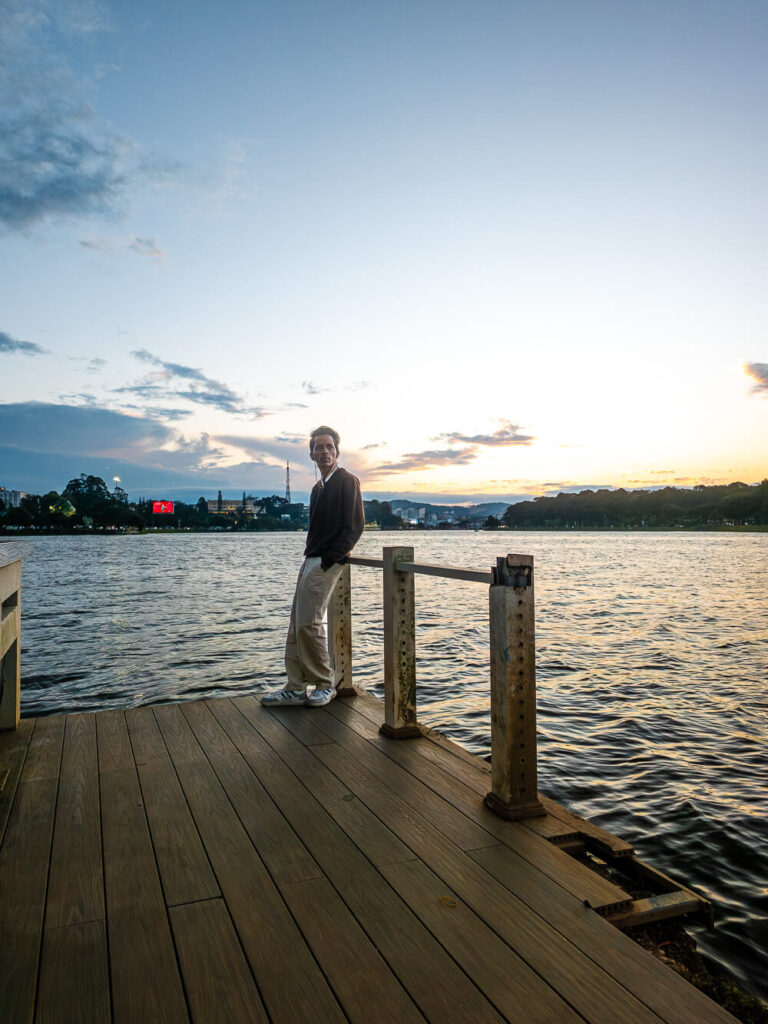
Cities become home bases.
I returned to Hanoi twice. Not to see more temples. To rest. To work. To have a familiar breakfast spot before heading out again.
The best days have no agenda.
Mornings in Ninh Binh where I woke up with nothing planned. Afternoons in Hoi An sitting by the river for three hours. Those are the days I remember most.
Flexibility matters.
Fog stopped my scooter trip in Sapa. Tet trapped me in Ninh Binh for 11 days. Weather delays added hours to every bus ride. You either accept this or spend 50 days stressed.
What Vietnam Actually Feels Like
Let me set some expectations. Because most guides skip this part.
Chaos and Energy
Vietnam moves. Constantly. The traffic doesn’t stop. Motorbikes everywhere. Crossing the street feels like a game you’re not sure you’ll win.
Hanoi Old Quarter at 8 p.m. on a Friday? Packed. Motorbikes weaving between pedestrians. Street food stalls on every corner. People sitting on plastic stools eating noodles. It’s loud. It’s crowded. And after a while, it becomes normal.
You don’t get used to it on day one. But by week two, you’re crossing four-lane intersections without looking. You stop flinching at the horns. You learn to just walk and let the motorbikes go around you.
Natural Beauty
Then you leave the cities and everything shifts.
Sapa’s mountains rising out of the fog. Rice terraces stacked like stairs into the clouds. The quiet of Ninh Binh’s countryside where the loudest sound is a water buffalo moving through a field.
Vietnam has landscapes that don’t need filters. Some mornings in Sapa I woke up, looked out the window, and just stood there for five minutes. No phone. No photos. Just looking.
Unpredictability
I wanted to ride to Ta Van from Sapa. Planned the whole thing. Rented a scooter. Started riding. And within 30 minutes I was freezing, completely blind in fog so thick I had to turn back. Never made it.
I planned a week in Ninh Binh. Ended up staying 11 days because Tet shut everything down. Buses stopped running. Restaurants closed. So I stayed put.
Weather changes. Things close without warning. If you need rigid schedules, Vietnam will test you.
Destination Guides: Slow Travel Highlights
Hanoi: The Best Cafés for Digital Nomads

I stayed in Hanoi for a week when I first arrived. Then came back for three more days later in the trip.
But I didn’t really explore it. Not in the traditional sense.
I worked from cafés. Walked around the Old Quarter. Sat by Hoàn Kiếm Lake in the mornings. Ate street food. Found a few spots I liked and kept going back.
Why Hanoi Works as a Base:
The café culture is strong. Every other building is a café. Good WiFi. Cheap coffee (30,000–50,000 VND / $1.20–$2). Quiet corners to work. You can spend an entire day in different cafés and never run out of options.
The Old Quarter is overwhelming at first. Narrow streets packed with motorbikes. Street vendors everywhere. But after a few days, you start recognizing corners. You know which café has the fastest WiFi. You know which street has the best bánh mì for 20,000 VND ($0.80).
What I Actually Did in Hanoi:
Worked from cafés 4–5 hours daily. Walked around Hoàn Kiếm Lake. Ate street food. That was it. No museums. No pagodas. No tourist circuit.
And that’s exactly what Hanoi became for me. Not a destination. A home base. A place to breathe between trips.
Sapa Trekking: Lao Chai and Rice Terrace Views
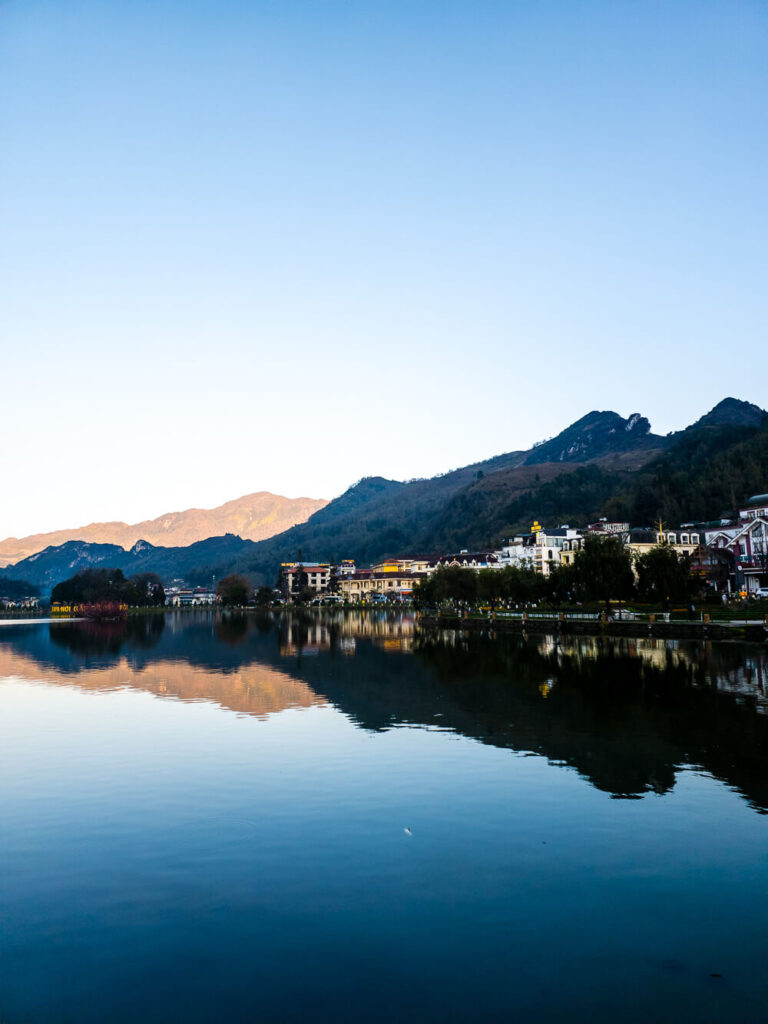
I stayed in Sapa for seven days. And it was one of the best parts of my entire trip.
Sapa sits high in the mountains near the Chinese border. It’s cool. Sometimes cold. The kind of place where you need a jacket in the mornings even though you’re in Southeast Asia.
The Lao Chai Trek:
This was the highlight. A day trek down into the valley. Through rice terraces. Past local villages. And back up.
The trek itself was beautiful. Winding paths through terraced fields. Small wooden houses scattered along the hillside. Kids playing. Locals working. And the whole time, you’re surrounded by these massive green mountains that just go on forever.
It wasn’t difficult. Just long. And steep in parts. But worth it. The kind of experience that makes you stop every few minutes just to look around.
The Fog Experience (How My Plans Fell Apart):
I also rented a scooter in Sapa. The plan was to ride to Ta Van, another village about 15 kilometers away.
I started early. Around 8 a.m. The roads were clear at first. Then the fog rolled in.
And I mean fog. Not light morning mist. Thick, heavy fog where you can’t see more than five meters ahead. The kind where you slow down to 20 kilometers per hour and still feel like you’re going too fast.
I kept riding for about 30 minutes. Getting colder. Getting more stressed. And then I stopped. Pulled over. And thought: This is stupid.
So I turned around. Came back to Sapa. And spent the day in a café instead.
That’s Vietnam. Weather changes. You adjust.
Sapa Quick Facts:
| Detail | Information |
| Days stayed | 7 days |
| Accommodation cost | 120,000–150,000 VND/night ($5–$6) |
| Best activity | Lao Chai trek |
| Scooter rental | 150,000 VND/day ($6) |
| Main challenge | Fog, cold weather |
Ninh Binh & The Tet Festival Survival Guide
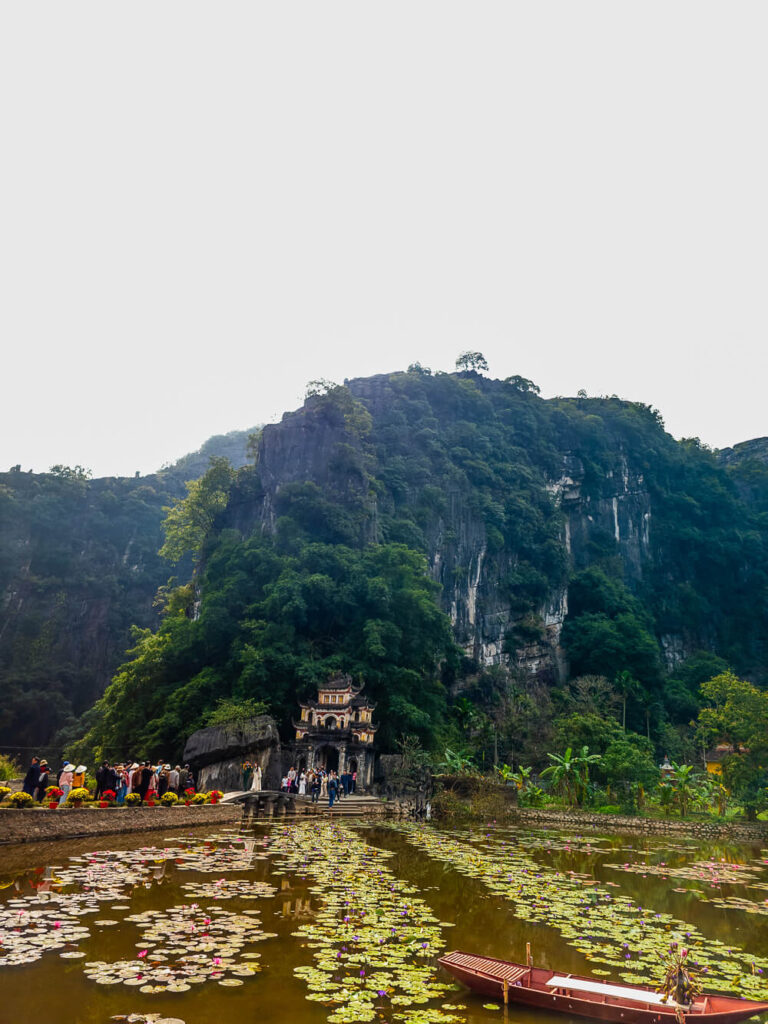
I planned to stay in Ninh Binh for a week. Ended up staying 11 days.
Why? Tet.
Tet is the Vietnamese New Year. And when I say it shuts everything down, I mean everything. Restaurants close. Shops close. Buses stop running. And anything that stays open charges triple.
I arrived in Ninh Binh a few days before Tet started. The town was quiet. Peaceful. Rice fields everywhere. Limestone cliffs rising out of the green like something from a postcard.
Then Tet hit. And the town emptied out. Locals went home to their families. Tourists left. And I was stuck.
What Ninh Binh During Tet Was Like:
Mornings where I woke up and the only sound was birds. Afternoons where I walked through rice fields and didn’t see another person for hours. Evenings where I sat outside my guesthouse and watched the light change over the mountains.
I worked. I read. I walked. I did nothing. And it felt perfect.
The Tet Challenge:
The main issue during Tet was that most restaurants closed. The few that stayed open had limited menus. So I ate a lot of instant noodles. And a lot of fruit from the one small shop that stayed open.
But the quiet made up for it. Ninh Binh during Tet was one of the most peaceful experiences of the entire trip.
Ninh Binh Tet Survival Tips:
- Stock up on food before Tet starts
- Most restaurants and shops close for 5–7 days
- Most transport shuts down
- Book accommodation in advance
- Embrace the quiet and use it as a rest period
Ninh Binh Quick Facts:
| Detail | Information |
| Days stayed | 11 days (unplanned) |
| Accommodation cost | 100,000–150,000 VND/night ($4–$6) |
| Food Cost | 50,000–60,000 VND/meal ($2–$2.40) |
| Scooter rental | 150,000 VND/day ($6) |
| Main challenge | Most places closed during Tet |
Hue: Historical but Slower
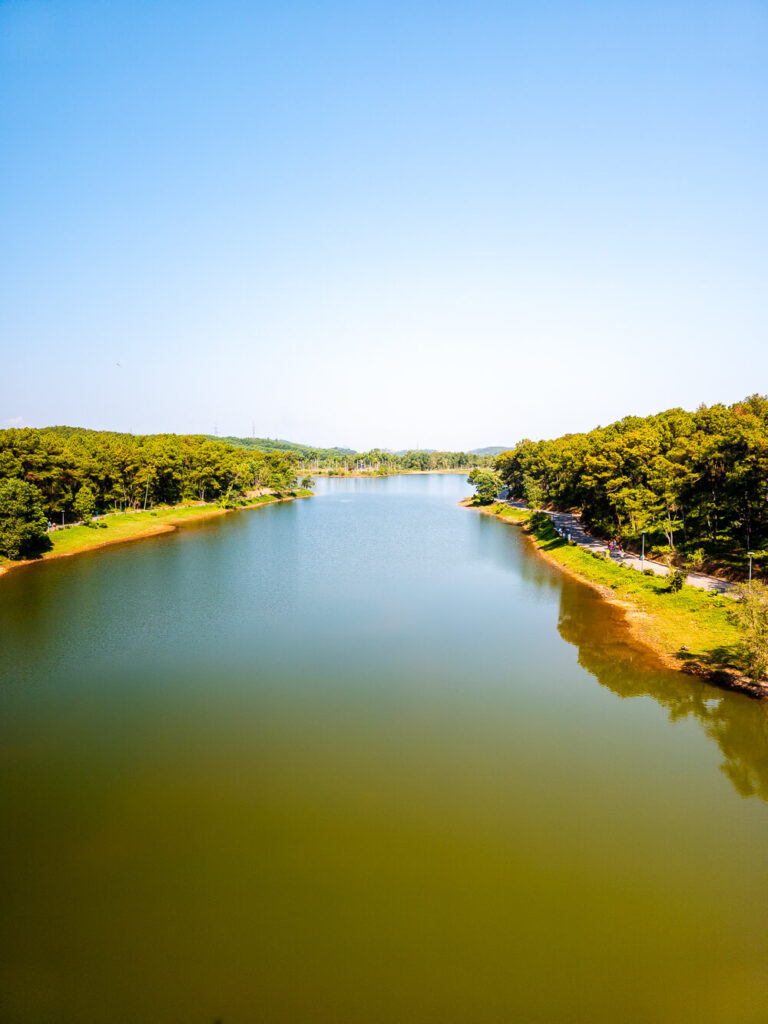
I stayed in Hue for five days. And it was fine. Not my favorite. Not bad. Just fine.
Hue is known for its history. The Imperial City. The Citadel. Pagodas. Tombs. All the historical stuff that shows up in every Vietnam itinerary.
I saw some of it. Walked through the Citadel one afternoon. Visited a pagoda. Sat by the Perfume River. But I didn’t rush through it.
Hue has a slower vibe than Hanoi. Less chaotic. More spread out. It felt quieter. Calmer.
What I Actually Did in Hue:
I spent most of my time eating. Hue has some of the best food in Vietnam. Bánh bèo. Bánh khoái. Bún bò Huế. All of it good. All of it cheap.
I ate at local spots. Plastic stools. No English menus. Just pointing and hoping. And it worked. Every time.
Hoi An: The Perfect Base for Slow Travelers
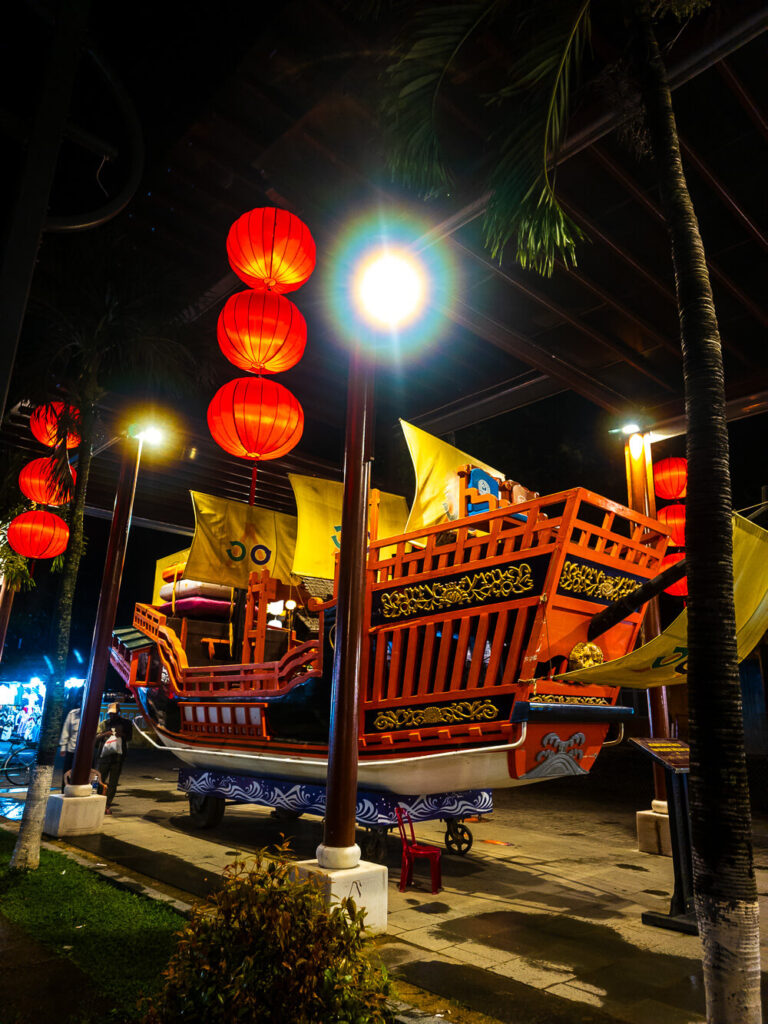
I stayed in Hoi An for nine days. And I didn’t want to leave.
Hoi An is different from every other place I visited in Vietnam. It’s quieter. More polished. The Old Town is pedestrian-only at certain times. No motorbikes. No chaos. Just people walking. Lanterns hanging overhead. Cafés overlooking the river.
Why Hoi An Works for Long Stays:
Mornings I’d walk to the same cafe. Sit by the river. Work for a few hours. Then walk around. No plan. Just wandering.
Afternoons I’d find a different cafe. Or sit by the river again. Or ride a bike out to An Bang Beach and just sit there for a while.
Evenings the Old Town lights up. The lanterns come on. The whole place glows yellow and red. It’s beautiful. Almost too beautiful. The kind of thing that feels like it should be fake but somehow isn’t.
I spent nine days in Hoi An and I still didn’t get bored. That’s rare for me. Most places I’m ready to leave after five or six days. But Hoi An just worked.
The food was good. The cafes were good. The vibe was good. And I didn’t feel rushed to be anywhere else.
If you’re planning a Vietnam backpacking route, give Hoi An more time than you think you need. It’s worth it.
Hoi An Quick Facts:
| Detail | Information |
| Days stayed | 9 days |
| Accommodation cost | 150,000–180,000 VND/night ($6–$7) |
| Food Cost | 50,000–60,000 VND/meal ($2–$2.40) |
| Scooter rental | 150,000 VND/day ($6) |
| Best activity | Walking Old Town at night |
| Why I loved it | Slow pace, river cafés, lantern-lit streets |
Da Lat: Limited but Pleasant
I stayed in Da Lat for three days. And honestly, I didn’t see much.
The problem? Scooters. I couldn’t rent one anywhere. Every shop I went to was either sold out or didn’t rent to foreigners. And without a scooter, Da Lat is limited.
The town itself is nice. Cool weather. Pine trees. A big lake in the center. Gardens. It has a different vibe from the rest of Vietnam. More relaxed. Almost European in some ways.
I walked around the lake. Visited a few gardens. Sat in cafés. Worked. That was it.
Could I have done more? Probably. If I’d had a scooter I would’ve ridden out to waterfalls and viewpoints. But I didn’t. So I just enjoyed what I could reach on foot.
Not every place needs to be a highlight. Sometimes a place is just pleasant. And Da Lat was pleasant.
Ho Chi Minh: Two Days of Waiting
I spent my last two days in Ho Chi Minh. And I didn’t do much.
By that point I was tired. Ready to leave Vietnam. Ready to move on. So I just worked. Sat in cafés. Walked around a little. And waited for my flight.
Ho Chi Minh is big. Busy. Loud. It has the chaos of Hanoi but on a bigger scale. And after 48 days of slower towns and quieter places, I wasn’t in the mood for it.
If I’d visited Ho Chi Minh earlier in the trip, I might’ve explored more. But as a last stop, it was just a place to rest before leaving.
Vietnam Slow Travel Guide: Budget Breakdown for 2 Months
Vietnam budget travel is very doable. Here’s what I actually spent during my 50 days.
Accommodation Costs
I booked all my hostels online using my card. The average cost was 120,000 to 180,000 VND per night ($5 to $7) per night.
In smaller towns like Ninh Binh, I found places for 100,000 VND ($4) per night. In Hoi An and Da Lat, prices went up to 180,000 to 200,000 VND ($7 to $8).
Most hostels included free breakfast. WiFi. Clean rooms. Everything I needed. Nothing fancy. But comfortable.
Food Costs
This is where I saved the most money.
I exchanged $200 USD at the start of my trip. That’s about 5,000,000 VND. And I used that cash only for food and occasional scooter rentals.
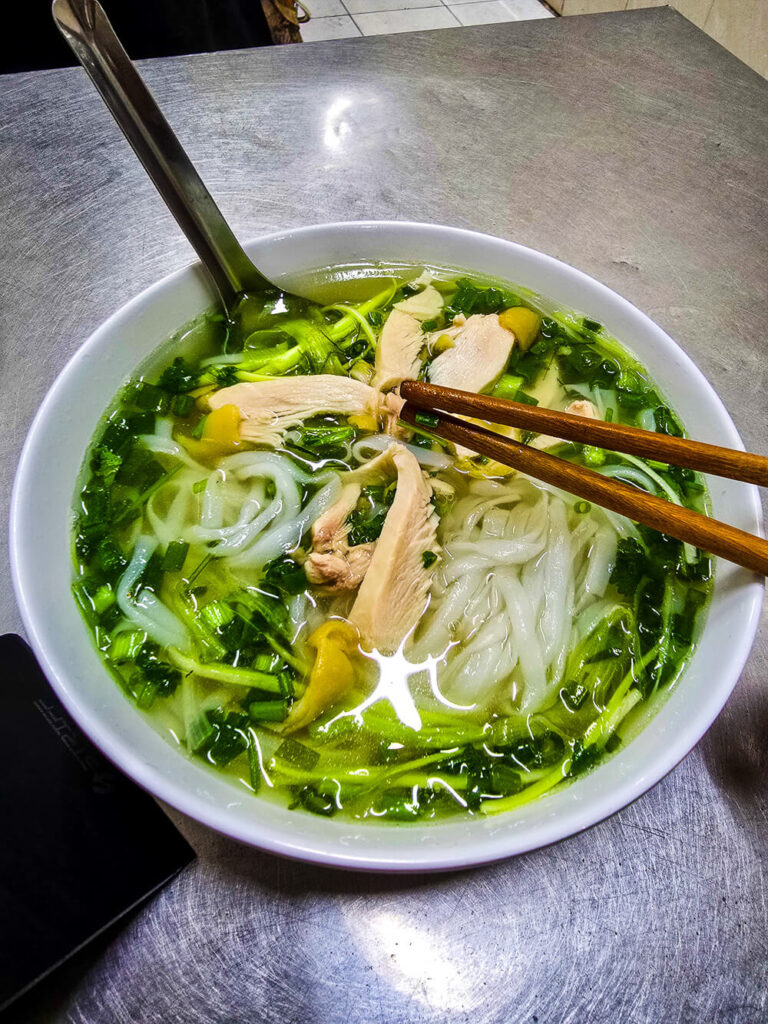
I ate at local restaurants almost exclusively. The ones where locals eat. Plastic stools. No English menus. Most dishes cost around 50,000 to 60,000 VND ($2 to $2.40). Phở for breakfast. Bánh mì for lunch. Rice and meat for dinner. All cheap. All good.
On an average day, I spent around 120,000 to 180,000 VND ($5 to $7) on food. That’s two full meals and maybe a coffee or smoothie.
Even during Tet in Ninh Binh, I stuck to my budget by finding the few local spots that stayed open and kept normal prices.
Transport Costs
Transport varied. A lot.
Sleeper buses between cities cost around 200,000 to 800,000 VND ($8 to $30) depending on distance. Hanoi to Sapa. Ninh Binh to Hue. Hoi An to Da Lat. All around that range.
Within cities I walked. Or rented scooters when I could. Sapa I rented a scooter for a day. Cost me 150,000 VND ($6).
Local transport like bikes or xe ôm (motorbike taxis) cost 20,000 to 50,000 VND ($0.80 to $2) per ride.
Daily Budget Table
| Category | Cost (VND) | Cost (USD) |
| Accommodation | 120,000–180,000/night | $5–$7 |
| Food | 120,000–180,000/day | $5–$7 |
| Transport (local) | 20,000–200,000/day | $0.80–$8 |
| Intercity buses | 200,000–800,000/trip | $8–$30 |
| DAILY TOTAL | 500,000–800,000 | $20–$30 |
50-Day Total Cost
On average, I spent around 500,000 to 800,000 VND per day ($20 to $30). Some days less. Some days more.
For 50 days, that works out to around $1,000 to $1,500 total.
That’s incredibly affordable for almost two months of travel. And that includes accommodation, food, transport, and occasional activities.
How to Get Around: Vietnam’s Sleeper Bus System
Vietnam is long. And moving between cities takes time.
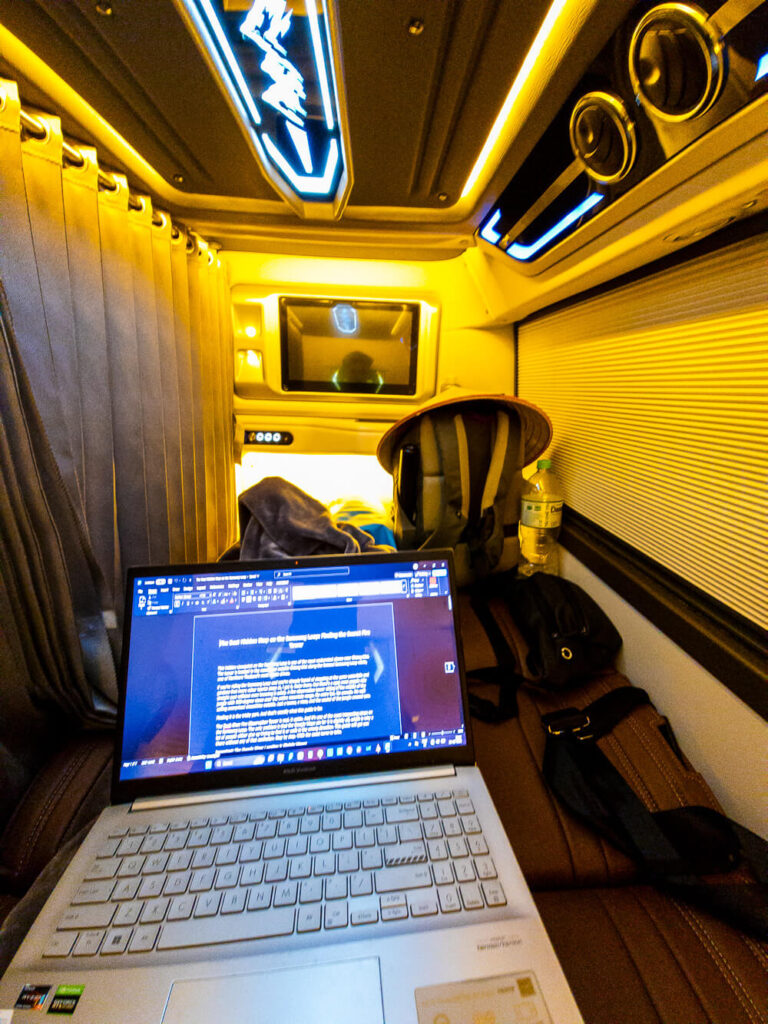
I used buses and sleeper buses for most of my travel. Hanoi to Sapa. Ninh Binh to Hue. Hoi An to Da Lat. Sleeper buses work. They’re cheap. Uncomfortable but manageable.
Booking Sleeper Buses
Booking is easy. Most hostels can book for you. Or you can use apps like 12Go or Vexere. I used both. No issues. I found Vexere to be a little cheaper.
The buses themselves? Basic. Some have WiFi. Most don’t. Mostly all have AC that works. They get you where you need to go. And for 200,000 to 800,000 VND ($8 to $30), you can’t complain too much.
How Sleeper Buses Actually Work
You get a bunk. Top or bottom. They’re narrow. You can’t really sit up. You just lie down. Some have curtains for privacy. Some don’t.
The bus stops every few hours. Rest stops. Bathrooms. Food. Stretch your legs. Then back on.
You sleep (sort of) and wake up in a new city. It’s not comfortable. But it saves a night of accommodation. And it gets you there.
Within Cities
Within cities I walked or rented scooters when available. Sapa I rented a scooter. Tried to in Da Lat but couldn’t find one. Hanoi and Hoi An I mostly walked.
Internal travel in Vietnam takes longer than you think. Google Maps says six hours. Reality is eight. Factor that in. Don’t pack your days too tight.
Essential Vietnam Travel Tips: Weather, Cash, and Safety
Here are the Vietnam travel tips that actually mattered during my 50 days.
Weather Matters More Than You Think
Sapa in January was freezing. Fog every morning. I couldn’t see anything on some days.
Check the weather. Not just temperature. Fog. Rain. It affects everything.
Vietnam’s weather changes depending on where you are. North is cold in winter. South is warm year-round. Central coast has its own season. Do your research. Plan accordingly.
Tet Shuts Everything Down
If you’re traveling during Tet (late January/early February), plan ahead. Book accommodation. Expect delays. Stock up on food. Or just stay put somewhere and wait it out like I did.
Tet lasts about a week. But the effects last longer. Some places take 10 days to fully reopen. Factor that into your Vietnam itinerary.
Scooter Rentals Aren’t Guaranteed
Renting scooters in Vietnam is common. But it’s not guaranteed. I couldn’t find one in Da Lat despite checking multiple shops.
Don’t assume you’ll get a scooter everywhere. Have a backup plan.
And if you do rent a scooter, be careful. Traffic in Vietnam is no joke. Wear a helmet. Drive slow. Watch for potholes. And don’t ride at night if you can avoid it.
Cash is King
A lot of places in Vietnam don’t take cards. Especially small restaurants. Street food stalls. Guesthouses in smaller towns.
I exchanged $200 USD at the start and used that for food and small expenses. It lasted me about three weeks. Then I exchanged more.
ATMs are everywhere in cities. But less common in rural areas. Withdraw cash when you can.
Travel Takes Longer Than Expected
Vietnam is long. Hanoi to Ho Chi Minh is over 1,700 kilometers. Even shorter trips take time. Roads wind. Buses stop. Weather delays things.
Don’t pack your Vietnam backpacking route too tight. Leave buffer days. Leave room for delays. Leave room to stay somewhere longer if you want to.
Street Food is Safe (Mostly)
I ate street food almost every day for 50 days. And I got sick once. One time. And even that was mild.
Look for places with locals eating. High turnover means fresh food. Avoid places with food sitting out for hours. Use common sense.
But don’t be afraid of street food. It’s cheap. It’s good. And it’s one of the best parts of traveling in Vietnam.
My Travel Style: Why Slow Travel Works in Vietnam
I stayed seven days in Sapa. Eleven in Ninh Binh. Nine in Hoi An. I worked while I traveled. Wrote articles. Answered emails. Treated hostels like temporary offices.
When you stay somewhere for a week, you stop being a tourist. You find your breakfast spot. You recognize faces. You know which café has the fastest WiFi.
Vietnam is perfect for this approach. The cost is low enough that staying longer doesn’t destroy your budget. The infrastructure works. The food is good. And there’s enough variety between cities that you never feel stuck.
What I Loved vs What Surprised Me
What I Loved
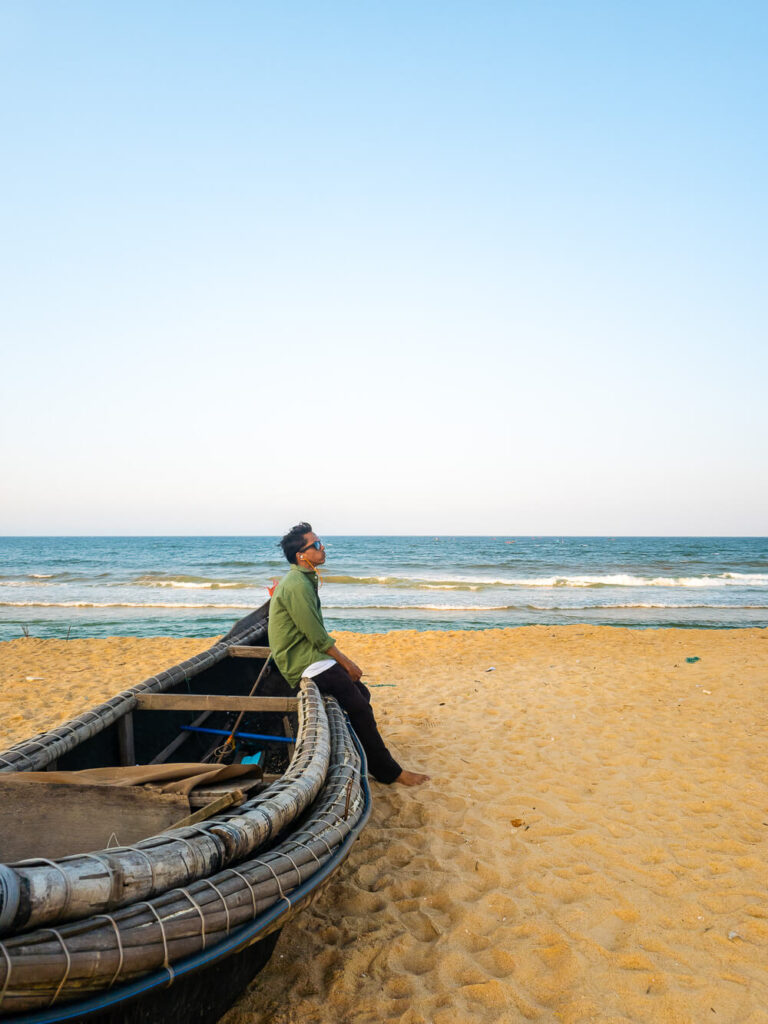
The landscapes. Sapa’s mountains. Ninh Binh’s rice fields. Hoi An’s riverfront at sunset. Vietnam has scenery that makes you stop and just stare.
The cafe culture. Vietnam runs on coffee. Every city has cafés on every corner. Good coffee. Fast WiFi. Quiet corners to work or read or do nothing.
Slow living. Vietnam lets you slow down. The cost is low. The infrastructure works. You can stay somewhere for a week and not feel like you’re wasting time or money.
The food. Cheap. Fresh. Delicious. I ate phở almost every morning for 50 days and never got tired of it.
What Surprised Me
The chaos. I expected traffic. But Hanoi traffic at rush hour is a different level. Crossing the street feels like you’re about to die every single time.
Weather impact. Fog in Sapa ruined half my plans. Rain in Ninh Binh kept me inside for two days. I learned to check weather forecasts obsessively.
How much I liked it. I didn’t expect Vietnam to become one of my favorite countries. But it did.
Is This Vietnam Slow Travel Guide For You?
This guide is for people who want to experience Vietnam, not just see it.
If you’re okay with staying in one place for a week. If you don’t need to see five things a day. If you want to eat local food and stay in budget hostels and spend $25 a day and still have an incredible time.
Then yes. This guide is for you.
Go. Stay longer than you think you need to. Eat more phở than seems reasonable. And let Vietnam show you what it’s actually like when you stop rushing through it.
Frequently Asked Questions
Do I need a special visa for a 50-day stay?
Since 2024 and heading into 2026, Vietnam has been pretty generous with its e-visa. Most travelers can get a 90-day multi-entry e-visa online. This is perfect for slow travel because it covers your entire 50 days with plenty of breathing room. Just make sure you apply on the official government portal a few weeks before you fly.
How is the WiFi for remote work?
In cities like Hanoi, Hoi An, and even parts of Sapa, the WiFi is surprisingly fast. Most specialty cafés are used to people sitting with laptops for hours. I found speeds usually hit 50Mbps or more in the bigger cities. For a backup, grab a Viettel SIM card at the airport. It has the best coverage in the mountains and rural areas where other networks might struggle.
Is it safe to ride a scooter if I am not an expert?
Vietnam is a trial by fire for riders. If you have zero experience, the cities are not the place to learn. The traffic follows its own set of unwritten rules that take time to understand. If you want to ride, start in quieter places like Ninh Binh or the outskirts of Hoi An. Always wear a helmet, stay off the phone, and remember that bigger vehicles always have the right of way, even if they don’t.
What should I pack for such a long trip?
The weather varies wildly from North to South. In January and February, Sapa is freezing, while Ho Chi Minh is tropical. I did this entire trip with a 23L backpack. The secret is layers and utilizing local laundry services. You can get a kilo of laundry done for about 50,000 VND ($2) almost anywhere. Pack a light rain shell, one warm fleece for the North, and breathable clothes for the South.
Is it difficult to find vegetarian or beef-free food?
Not at all. While fish sauce is in almost everything, finding “Chay” (vegetarian) food is easy because of the local Buddhist culture. If you don’t eat beef like me, just look for “Com Ga” (chicken rice) or “Com Suon” (pork ribs). Most street food vendors are happy to swap proteins if you point at what you want.
How do I handle money and payments?
Cash is still king for street food and small guesthouses. Most ATMs have a withdrawal limit of 2 to 5 million VND, so you might end up with a thick stack of notes. I used my card for hostels and bigger cafés, but I always kept a few million VND on me for daily expenses. Let your bank know you are in Vietnam so they don’t freeze your card the first time you try to buy a Bánh mì.
Check out my Thailand Articles.
- Chiang Mai Budget Travel Guide (2026): Costs, Tips & Cheap Things to Do.
- Northern Thailand Budget Travel Guide (2026): Real Costs + Daily Budget.
- White Temple vs Blue Temple: Which One Is Worth Visiting in Chiang Rai?
- Chiang Rai Budget Travel Guide 2026: Slower Days & Why It Beats Chiang Mai.
- Living in Chiang Mai on a Budget: Real Costs, Daily Life & What It’s Actually Like.
