Planning a Vietnam itinerary for slow travel? Here is my exact 50-day route. Skip the rushed 2-week checklist and see how to actually live in Vietnam. (CLICK HERE)
Table of Contents
Planning a Vietnam itinerary for slow travel changes everything. Instead of rushing through the country in two weeks, ticking off temples and moving on, you actually get to live in the places you visit.
I spent 50 days traveling through Vietnam. And this slow travel Vietnam approach showed me a side of the country most travelers miss. I stayed long enough to work from the same cafés. Eat at the same street vendors. Walk the same routes until they felt like home.
This isn’t a typical Vietnam travel route. There’s no “Day 1: Arrive Hanoi, see 5 temples, night train to Sapa” nonsense. This is about staying 7 days in Hanoi. 11 days in Ninh Binh. 9 days in Hoi An. Long enough that you stop being a tourist and start being someone who actually lives there.
If you’re looking for a checklist itinerary, this isn’t it. But if you want to understand what Vietnam feels like when you slow down, when you let the country unfold at its own pace, keep reading.
Quick Overview: My 50-Day Vietnam Itinerary for Slow Travel

Here’s the exact Vietnam itinerary for slow travel that I followed. This isn’t a rushed route. It’s designed for long-term travel Vietnam where you actually have time to breathe.
My Complete Route:
Hanoi – 10 days total (7 days initially + 3 days after Sapa)
Sapa – 7 days
Ninh Binh – 11 days (extended due to Tet)
Hue – 5 days
Hoi An – 9 days
Da Lat – 3 days
Ho Chi Minh City – 2 days
Total: 47 days of actual travel + 3 transit days
Key Details:
Route direction: North to South (Hanoi → HCMC)
Transport: Sleeper buses between cities, walking and scooters within cities
Daily budget: $20–$30 per day
Total 50-day budget: $1,000–$1,500
Accommodation style: Hostels and guesthouses ($5–$7 per night)
Food style: Street food and local restaurants ($5–$7 per day)
I didn’t plan this exact breakdown before leaving India. Some places I stayed longer because I got stuck during Tet. Some because I didn’t want to leave. Some because the weather was terrible and I had to wait it out.
That flexibility is the foundation of any good Vietnam itinerary for slow travel. You can’t control weather. You can’t predict how you’ll feel about a place. So you build in buffer time. You stay when it feels right. You leave when it doesn’t.
How Many Days Do You Need for a Slow Travel Trip to Vietnam?
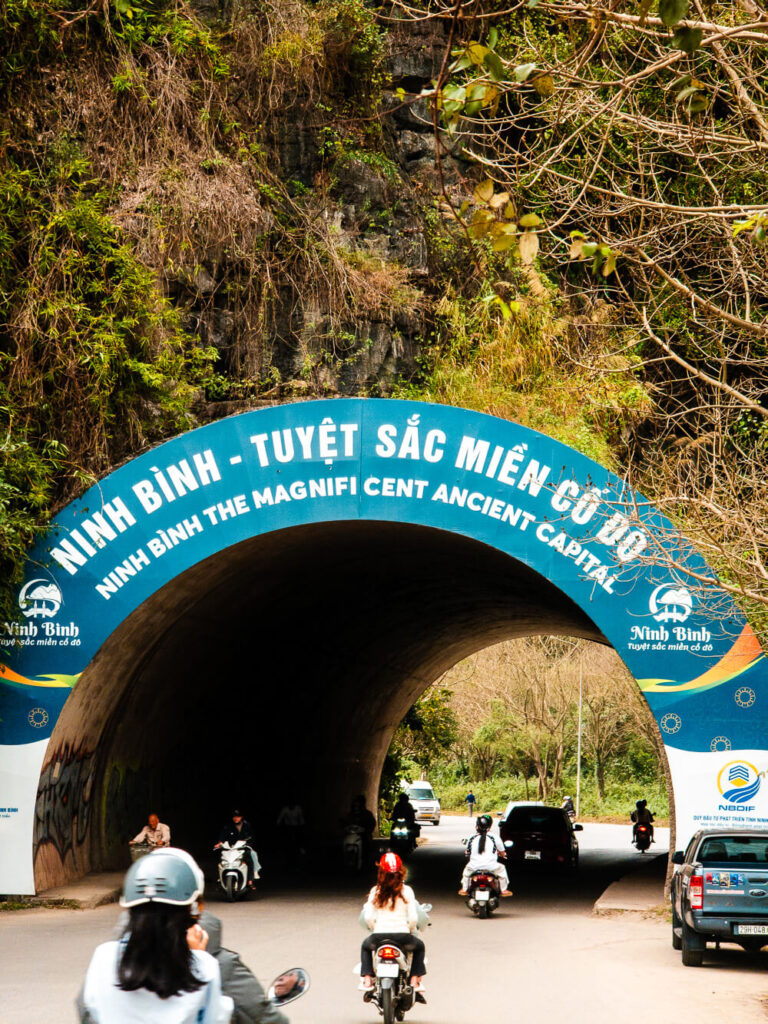
This is the first question everyone asks when planning a Vietnam itinerary for slow travel. And the answer completely depends on what kind of experience you want.
2 Weeks in Vietnam (Fast-Paced, Not Ideal)
You’ll hit the main spots. Hanoi. Hoi An. Maybe Ninh Binh or Sapa. It’s doable. Thousands of travelers do it every year.
But here’s what actually happens: You’re moving every 2–3 days. Packing and unpacking constantly. Waking up in a new city every few days trying to figure out where things are. Eating at random restaurants because you don’t have time to find the good local spots. Seeing things but not really feeling them.
Two weeks in Vietnam is like speed-dating a country. You get a taste. But you never get past the surface.
I don’t recommend this if you can avoid it. Especially for Vietnam. The country rewards patience. It unfolds slowly. And when you’re racing between cities, you miss that completely.
3 to 4 Weeks in Vietnam (The Balanced Approach)
This is the sweet spot for most travelers. It’s long enough to see the major cities without burning out completely. You can add Sapa for trekking. Spend 5 days in Hoi An instead of 2. Actually rest between long bus rides.
A 1 month Vietnam itinerary gives you breathing room. You’re not rushing. You can work remotely if you need to. You can take a day off and do absolutely nothing without feeling like you’re wasting your trip.
This is what I’d recommend if you’re doing Southeast Asia for 2–3 months total. Spend a month in Vietnam. Then move to Thailand or Cambodia or wherever’s next. It’s enough time to actually experience the rhythm of Vietnamese life without overstaying.
1 to 2 Months in Vietnam (True Slow Travel)
This is where slow travel actually works. Where you stop moving like a tourist and start living like a temporary resident.
You can stay a week in Hanoi. Return to it as a base. Spend 11 days in Ninh Binh doing almost nothing. Work from cafés in Hoi An for 9 days. The routine becomes part of the experience.
This approach is perfect for digital nomads, remote workers, or anyone doing long-term travel Vietnam. You’re not sacrificing your productivity to travel. You’re integrating both. Work in the mornings. Explore in the afternoons. Repeat.
I spent 50 days in Vietnam and it felt perfect. Not too rushed. Not too long. Just enough time to settle into each place before moving on.
Why Slow Travel Vietnam Works Better
Here’s what happens when you stay longer:
Day 1–2: You’re adjusting. Finding your hostel. Figuring out where to eat. Getting your bearings. Everything feels foreign.
Day 3–4: You start to relax. You find a café you like. A street vendor who makes good phở. You learn which streets to avoid during rush hour.
Day 5–7: You stop thinking about navigation. You know your way around. The vendor recognizes you. The city starts to feel familiar. This is when the real experience begins.
If you leave after 3 days, you never get past the adjustment phase. You’re always in tourist mode. Always figuring things out. Always moving before you settle.
But stay a week? You actually live there. Even if temporarily. And that shift changes everything.
My Complete 50-Day Vietnam Travel Route Breakdown
This is the core of my Vietnam itinerary for slow travel. Each city breakdown includes why I stayed that long, who this pace works for, and what the actual experience felt like.
Hanoi (10 Days Total: The Perfect Base City)

The vibe: Chaotic. Loud. Energetic. Café culture everywhere. Street food on every corner. Motorbikes dominating the roads. Old Quarter packed with life 24/7.
I stayed in Hanoi for 7 days initially. Then came back for 3 more days after Sapa. The first week was about settling into Vietnam. Learning to cross streets without dying. Finding my breakfast vendor who eventually knew my order before I sat down. Working from cafés with decent WiFi. The second visit was right before Tet started. The city was decorated. Festive. And it already felt familiar. Like coming home.
Why stay 10 days total: Hanoi works as a base for any Vietnam travel route. The Old Quarter has everything. Hostels for $5–7 per night. Street food for $1–2 per meal. WiFi in every café. It’s cheap. It’s central to northern Vietnam. And if you’re exploring Sapa or Ninh Binh, you’ll probably come back through Hanoi anyway.
So why not use it as your home base? Leave your big backpack at the hostel. Take a small bag to Sapa for a week. Come back. Rest. Do laundry. Work. Then head out again.
This approach saves money. Saves energy. And gives you a familiar place to return to when everything else feels foreign.
What 10 days in Hanoi actually looks like:
Mornings: Walk around Hoàn Kiếm Lake. Same route. Every day. You start recognizing other regular walkers. The tai chi groups. The vendors setting up breakfast stalls. This repetition isn’t boring. It’s grounding.
Midday: Work from cafés. 3–4 hours. Vietnamese iced coffee for 30,000–50,000 VND ($1.20–$2). Strong WiFi. Quiet corners. This is what makes Hanoi perfect for digital nomads and remote workers. The infrastructure just works.
Afternoons: Walk the Old Quarter. No destination. Just wandering. Stop when something looks interesting. A temple. A street vendor. A quiet alley. You’re not checking things off a list. You’re just existing in the city.
Evenings: Dinner at local spots. Phở. Bún chả. Bánh mì. Always at places where locals eat. Plastic stools. No English menus. Food that costs 40,000–60,000 VND ($1.60–$2.40) and tastes better than anything marketed to tourists.
Who this pace is for: Digital nomads. Remote workers. Backpackers doing long-term travel Vietnam. People who want to settle somewhere instead of constantly moving. If you need to see ten attractions a day, Hanoi will frustrate you. But if you’re okay with slow mornings and repetitive routines, it’s perfect.
What to skip: Don’t force yourself to see every temple. Don’t book a Ha Long Bay tour just because everyone says you should. Hanoi works best when you let it be a base, not a destination.
I’ve written detailed guides on Hanoi travel and what it’s actually like living in Hanoi for a week if you want more depth.
Sapa (7 Days: Mountains, Fog, and Flexible Plans)
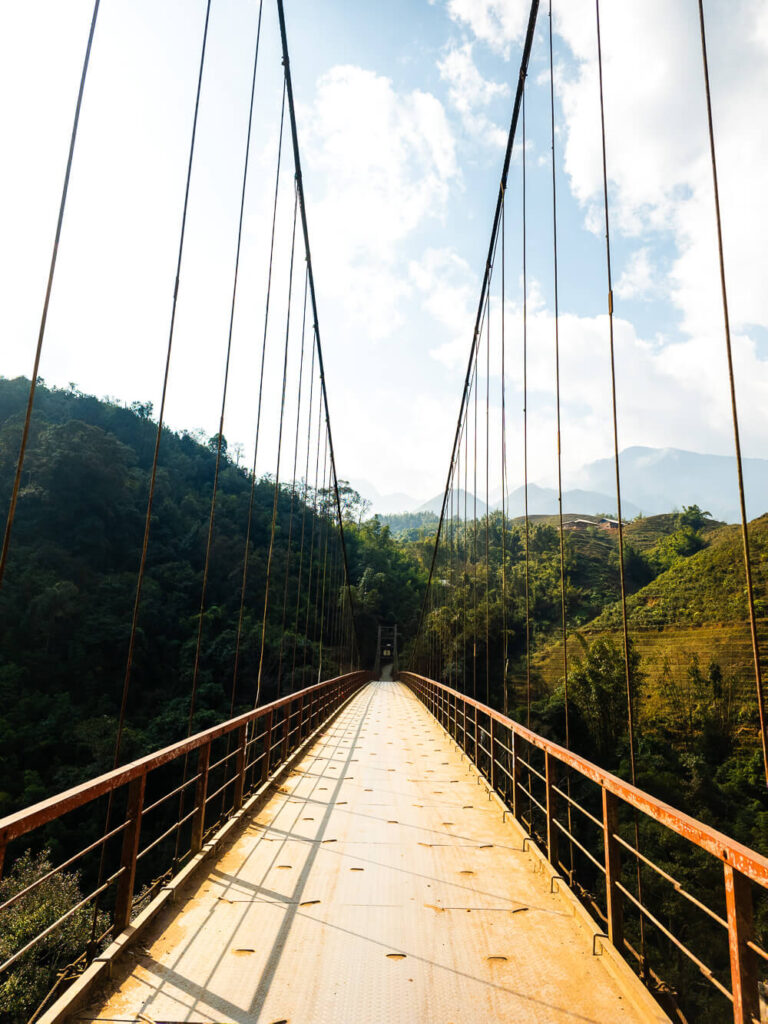
The vibe: Mountains everywhere. Fog rolling in without warning. Rice terraces climbing hillsides. Cool weather that requires a jacket even in Southeast Asia. Trekking routes through local villages. Hill tribe culture visible in daily life.
Sapa sits at around 1,500 meters elevation near the Chinese border. It’s beautiful when the weather cooperates. And frustrating when it doesn’t.
I went in January. Half my days were covered in thick fog. The kind where you can’t see 5 meters ahead. I rented a manual scooter one day (cheaper than automatic) planning to ride to Ta Van village. Got 30 minutes into the ride. Realized I was freezing. Couldn’t see anything. Turned back.
But the days when the fog cleared? Incredible. I did a trek to Lao Chai village. Walked through terraced rice fields. Past wooden houses where local families live. Watched water buffalo move through paddies. Those clear-weather moments made the foggy days worth enduring.
Why stay 7 days in Sapa: Weather. Plain and simple. If you only have 2–3 days and it’s foggy the entire time, you’ve wasted the trip. Sapa’s beauty is visual. Mountains. Terraces. Views. When fog blocks all of that, there’s not much else to do.
But a week gives you buffer. Foggy Monday? Work from a café. Rainy Tuesday? Rest day. Clear Wednesday? Trek all day. You’re not pressured to force activities in bad weather. You just wait it out.
Plus Sapa is genuinely calm. Good for working. Good for resting between Hanoi’s intensity and whatever comes next on your Vietnam travel route. The town itself is small. You can walk everywhere. And the slower pace helps if you’re balancing remote work with travel.
The Sapa experience day by day:
Foggy days (4 out of 7 for me): Work from cafés. Read. Walk around the small town center. Sit by Sapa Lake. Accept that you can’t control weather. This is part of slow travel Vietnam. You don’t fight the conditions. You adapt.
Clear days (3 out of 7 for me): Trek. The Lao Chai route is the most popular. About 8–10 kilometers round trip. Moderate difficulty. You’ll see rice terraces up close. Local villages. Kids playing. Women working in fields. Bring water. Wear good shoes. And start early before crowds arrive.
Evenings: The town center has restaurants. Small shops. A market. Nothing fancy. Just local life happening at a mountain pace. I’d eat dinner. Walk around. Head back to the hostel early. Sapa isn’t a nightlife town.
Who this pace is for: Trekkers. People who like mountains and don’t mind weather gambling. Anyone okay with 4 days of fog if it means 3 days of stunning views. Remote workers who need a quiet place to catch up on work.
Who should skip Sapa: Anyone on a tight 2-week Vietnam itinerary. It takes a full day to get here from Hanoi. Another full day to get back or continue to Ninh Binh. If you only have 2 weeks total, that’s 2 transit days plus 2–3 days in Sapa. And if weather doesn’t cooperate, you’ve lost almost a third of your trip.
Reality check about Sapa:
Bring warm clothes. Jacket. Long pants. Even in “warm” months it gets cold at night. January was around 10–15°C (50–59°F) during the day. Colder at night.
Fog is common. Especially December to March. Don’t expect perfect views. Hope for them. Plan for fog.
Scooter rentals: You can rent manual or automatic. Manual is cheaper (around 100,000–120,000 VND / $4–$5 per day). Automatic costs more (150,000 VND / $6 per day). Either works. But check brakes before leaving. Mountain roads are steep. You need good brakes.
Trekking: You don’t need a guide for the main routes. Lao Chai is well-marked. But if you want to go deeper into remote villages, a guide helps. Local guides cost around 300,000–500,000 VND ($12–$20) per day.
Ninh Binh (11 Days)

The vibe: Quiet. Peaceful. Rice fields. Limestone cliffs. Almost no tourists. “Ha Long Bay on land” but without the crowds.
I planned to stay a week. Ended up staying 11 days because Tet happened. Everything shut down. Buses stopped running. Restaurants closed. I was stuck. But honestly? It was one of the best parts of my trip.
Ninh Binh during Tet was silent. Empty. I’d walk through rice fields and not see another person for hours. I worked. I read. I did nothing. And it felt perfect.
Why stay this long: Ninh Binh is made for slow travel. There’s not a lot to “do.” You can see the main spots in 2–3 days. But the value is in just being there. Watching the light change over the limestone cliffs. Sitting by rice fields. Letting time pass without rushing to the next thing.
Who this pace is for: People who don’t need constant stimulation. Remote workers. Anyone escaping the chaos of Hanoi. If you need activities and attractions, you’ll get bored fast.
Tet note: If you’re in Ninh Binh during Tet, stock up on food beforehand. Most places close for 5–7 days. The few that stay open have limited menus. But the atmosphere is worth it.
Hue (5 Days)

The vibe: Historical. Quieter than Hanoi. Imperial City. Pagodas. Good food scene.
Hue sits in central Vietnam. It’s known for history. The Citadel. Tombs. Temples. I saw some of it. But mostly I just ate. Hue has incredible food. Bánh bèo. Bánh khoái. Bún bò Huế. All cheap. All good.
Why 5 days: Hue isn’t a long-stay city unless you’re really into history. You can see the main sites in 2–3 days. But 5 days lets you explore without rushing. Eat well. Rest. It’s a good midpoint between the slow pace of Ninh Binh and the energy of Hoi An.
Who this pace is for: History buffs. Foodies. People who want a slower city without completely disconnecting from tourist infrastructure.
Hoi An (9 Days)

The vibe: Lanterns. River. Old Town. Tailors. Cafés. Beach nearby. Digital nomad friendly.
Hoi An was my favorite place in Vietnam. And I stayed 9 days because I didn’t want to leave.
The Old Town is beautiful. Pedestrian-only streets. Lanterns everywhere at night. Cafés overlooking the river. It’s polished. Almost too perfect. But it works.
I spent my days working from cafés. Walking around the Old Town. Riding a bike to An Bang Beach. Just existing in a place that felt comfortable.
Why stay this long: Hoi An has a rhythm that makes you want to stay. Good food. Good cafés. Good WiFi. It’s one of the few places in Vietnam where you can genuinely relax without feeling like you’re missing something.
Who this pace is for: Everyone. Honestly, backpackers love it. Digital nomads love it. Families love it. It works for almost any travel style. If you only have time for one long stay in Vietnam, make it Hoi An.
Da Lat (3 Days)

The vibe: Mountain town. Cool weather. Pine trees. French colonial influence. Lakes. Gardens.
Da Lat is different from anywhere else in Vietnam. It’s cooler. Greener. Almost European in some ways. And I wanted to explore more. But I couldn’t rent a scooter anywhere. Every shop was sold out or wouldn’t rent to foreigners.
So I just walked. Saw the lake. Visited gardens. Worked from cafés. That was it.
Why so short: Without a scooter, Da Lat is limited. Most of the good stuff (waterfalls, viewpoints) requires transport. If you can rent a bike, stay longer. If not, 2–3 days is enough to see what’s walkable.
Who this pace is for: People who like cool weather. Mountains. A break from the heat. But only if you can get a scooter or don’t mind limited exploration.
Ho Chi Minh City (2 Days)
The vibe: Big. Busy. Loud. Chaotic. Transit hub.
I spent my last 2 days in Ho Chi Minh working and waiting for my flight out. By that point I was tired. Ready to leave Vietnam. So I didn’t explore much.
Why so short: Ho Chi Minh is massive. You could spend a week there. But as a last stop after 48 days of slower cities, I wasn’t in the mood for chaos. It was just a place to rest before moving on.
Who this pace is for: If you’re starting your Vietnam trip here, give it more time. If you’re ending here like I did, 2 days is enough.
Alternative Vietnam Itineraries for Shorter Trips
Not everyone has 50 days. Here’s how to adapt this route for shorter trips.
2-Week Vietnam Itinerary (Fast-Paced)
If you only have 2 weeks, focus on fewer places and skip the mountains.
Hanoi – 3 days
Ninh Binh – 2 days
Hoi An – 4 days
Ho Chi Minh City – 3 days
Transit days – 2 days
This hits the main highlights. But you’ll be moving every 2–3 days. It’s rushed. You won’t have time to settle anywhere. But it works if 2 weeks is all you have.
Skip: Sapa (takes too long to get there), Hue (you can skip it if you’re pressed for time), Da Lat (not essential for a short trip).
3 to 4-Week Vietnam Itinerary (Balanced)
This is the sweet spot. Enough time to see the country without burning out.
Hanoi – 4 days
Sapa – 4 days
Ninh Binh – 3 days
Hue – 3 days
Hoi An – 5 days
Da Lat – 2 days
Ho Chi Minh City – 3 days
Transit days – 3 days
Total: 27 days
This gives you breathing room. You’re not rushing. You can actually rest in places like Hoi An. And you hit all the main regions: mountains, countryside, coast, city.
1-Month+ Vietnam Itinerary (Slow Travel)
If you have a month or more, follow my exact route. Or adapt it.
The key is staying longer in places you like. If Hoi An feels good, stay 10 days instead of 5. If Hanoi stresses you out, leave after 3 days instead of 7.
Slow travel Vietnam means flexibility. Plans change. Weather affects things. You get stuck during Tet. A scooter breaks down. You can’t find accommodation. All of that happens. And when you have time, it doesn’t matter. You just adapt.
Backpacking Vietnam for a month or more also means you can work remotely. Treat places as temporary homes instead of tourist stops. That shift changes everything.
Logistics: Transport & Budget for This Vietnam Itinerary
Getting Around Vietnam
I used sleeper buses for almost all intercity travel. Hanoi to Sapa. Ninh Binh to Hue. Hoi An to Da Lat. All sleeper buses.
Cost: 200,000–800,000 VND ($8–$32) per trip depending on distance.
Travel time: Longer than you think. Google Maps says 6 hours. Reality is 8. Roads wind. Buses stop. Factor in buffer time.
Booking: Use 12Go or Vexere apps. Or ask your hostel to book for you. Both work.
Comfort level: Basic. You get a bunk. Narrow. Can’t sit up. Just lie down and try to sleep. It’s not comfortable. But it’s cheap and it saves a night of accommodation.
Within cities: I walked or rented scooters. Hanoi and Hoi An I mostly walked. Sapa I rented a scooter for a day. Ninh Binh I walked and biked. Da Lat I walked because I couldn’t rent a scooter.
Scooter rental: 150,000 VND per day ($6) for a 150cc bike. You need 150cc minimum for mountain roads. Smaller bikes won’t be allowed.
Budget Overview
Daily budget (slow travel style): 500,000–700,000 VND per day ($20–$28).
Accommodation: 120,000–180,000 VND per night ($5–$7). Hostels. Guesthouses. Nothing fancy. But clean and comfortable.
Food: 120,000–180,000 VND per day ($5–$7). Two meals. Street food and local restaurants. Phở for breakfast 40,000 VND ($1.60). Bánh mì for lunch 25,000 VND ($1). Rice or noodles for dinner 50,000–60,000 VND ($2–$2.40).
Transport: Varies. Sleeper buses 200,000–800,000 VND per trip. Local transport minimal if you walk.
50-day total: Around $1,000–$1,400.
This includes everything. Accommodation. Food. Transport. Occasional café stops. No tours. No paid activities. Just living.
I’ve written a full Vietnam budget breakdown if you want exact numbers for each city.
Essential Tips for Planning Your Vietnam Itinerary

The Tet Factor
Tet is the Vietnamese New Year. Usually late January or early February. And it shuts everything down.
Restaurants close. Shops close. Transport is limited. Anything that stays open is expensive or has reduced hours.
If you’re traveling during Tet, plan ahead. Book accommodation early. Stock up on food. Expect delays. Or just stay put in one place like I did in Ninh Binh and embrace the quiet.
Tet affects your entire Vietnam travel route if you’re there during that time. Factor it in.
Weather Warnings
Vietnam’s weather is unpredictable. Especially in the mountains.
Sapa: Fog is common. Rain is common. January was cold. I needed a jacket. Don’t trust weather apps. They’ll say sunny and you’ll wake up to thick fog.
Ninh Binh: Rain during monsoon season (May–September). Otherwise pleasant.
Hoi An: Hot year-round. Rainy season October–December.
Da Lat: Cool. Mild. But can rain unexpectedly.
Check forecasts. But don’t plan your entire trip around them. Weather changes. You adapt.
Pacing
Don’t pack your Vietnam itinerary too tight. Leave buffer days. Leave room to stay longer somewhere if it feels right.
The beauty of slow travel is flexibility. If you lock yourself into “3 days here, 2 days there, move on,” you lose that. Plans will fall apart. Weather. Tet. Transport delays. Illness. All of it happens.
Give yourself space to adjust. That’s when the trip actually gets good.
Focus on quality over quantity. Better to see 5 places deeply than 15 places rushed.
Final Thoughts: Is This Slow Travel Route Right for You?
This Vietnam itinerary works if you have time. If you’re okay with slow mornings. If you don’t need to see everything. If you’re fine with staying a week in one place doing almost nothing.
It’s perfect for remote workers and digital nomads. Vietnam has cheap accommodation. Good WiFi. Great food. You can work from cafés. Treat cities as temporary homes. And actually enjoy the experience instead of burning out.
It’s also good for backpacking Vietnam long-term. If you’re traveling Southeast Asia for months, Vietnam fits perfectly into a slow travel approach. You’re not rushing to the next country. You’re living in this one for a while.
But if you only have 2 weeks and you need to see everything, this route won’t work. You’ll need to compress it. Move faster. See less deeply.
Vietnam isn’t about ticking boxes on a map. It’s about experiencing the local rhythm. Eating phở from the same vendor three mornings in a row. Walking around Hoàn Kiếm Lake until it feels familiar. Working from cafés. Doing laundry. Existing.
That’s what 50 days in Vietnam gave me. Not highlights. A life. Even if temporary.
If that sounds good to you, take the time. Follow this route. Adapt it. Make it yours. And let Vietnam unfold slowly.
Frequently Asked Questions
How do you get a visa for 50 days?
Vietnam now offers a 90-day e-visa. This single change is what makes slow travel here actually possible now. You apply on the official government website. Pay the $25 fee. Wait a few days for the email. Print it out.
That’s it. You don’t have to do border runs. You don’t have to stress about a 30-day limit. Just get the 90-day visa and give yourself room to breathe.
Cash or card? How do you pay for things?
Cash is king. Always.
Sure, modern cafés in Hanoi and Hoi An will take cards. But the street vendor making your morning phở won’t. Neither will the scooter rental guy or the family running your $6-a-night homestay.
I use my Niyo DCB credit card at local ATMs to keep the fees down. Pull out a stack of Dong. Keep it safe. Use it for your day-to-day living.
Is the WiFi actually good enough to work remotely?
Yes. Honestly, it’s better than in a lot of Western countries.
I work from cafés constantly. Hanoi and Hoi An have incredible café infrastructure. Fast WiFi. Plugs everywhere. I edit videos and upload heavy files without an issue. The only time the connection got sketchy was in Sapa during thick fog and bad weather. Everywhere else, it just works.
Do I need to book sleeper buses in advance?
Normally? No. You can book a sleeper bus a day or two before you want to leave. Just use 12Go or ask the front desk at your hostel to call it in.
But there is one massive exception: Tet.
If you are traveling during the Lunar New Year (usually late January or February), book your transport weeks in advance. Everyone is traveling home. Buses sell out completely. If you don’t book early, you will get stuck.
Do I really need an international license to rent a scooter?
Legally, yes. You need an International Driving Permit (IDP) with a motorcycle endorsement.
Will rental shops give you a bike without one? Almost always. Will the local police stop you and make you pay a “fine” on the spot if you don’t have the paperwork? Also yes.
If you plan on spending hours on a bike exploring the mountains, do yourself a favor and get the IDP sorted before you leave home. It saves you a headache later.


