Is Sapa trekking without a guide safe? Read my honest 2026 guide to solo hiking in Lao Chai, including offline maps, route details, and practical safety tips. (CLICK HERE)
Table of Contents
Can you do Sapa trekking without a guide? Should you? And what does it actually feel like to walk those mountain trails alone?
I spent 7 days in Sapa in January 2025. And my self-guided trek to Lao Chai village was the highlight of my entire week. No tour group. No guide explaining things I didn’t ask about. Just me, a downloaded trail map, and rice terraces stretching as far as I could see.
This guide covers everything I learned about trekking Sapa without a guide. The routes. The navigation. The reality of walking alone. And whether solo trekking in Sapa is actually worth it.
Sapa Solo Trekking: Quick Facts
| Category | Details |
|---|---|
| Popular Route | Sapa Town → Y Linh Ho → Lao Chai → Ta Van |
| Total Distance | 8–12 km (flexible) |
| Difficulty | Moderate (Steep descents and muddy paths) |
| Best App | Organic Maps or Maps.me (Offline maps are essential) |
| Cost | 0 VND for guide + 50,000–100,000 VND for optional motorbike return |
Can You Do Sapa Trekking Without a Guide?
Yes. Absolutely.
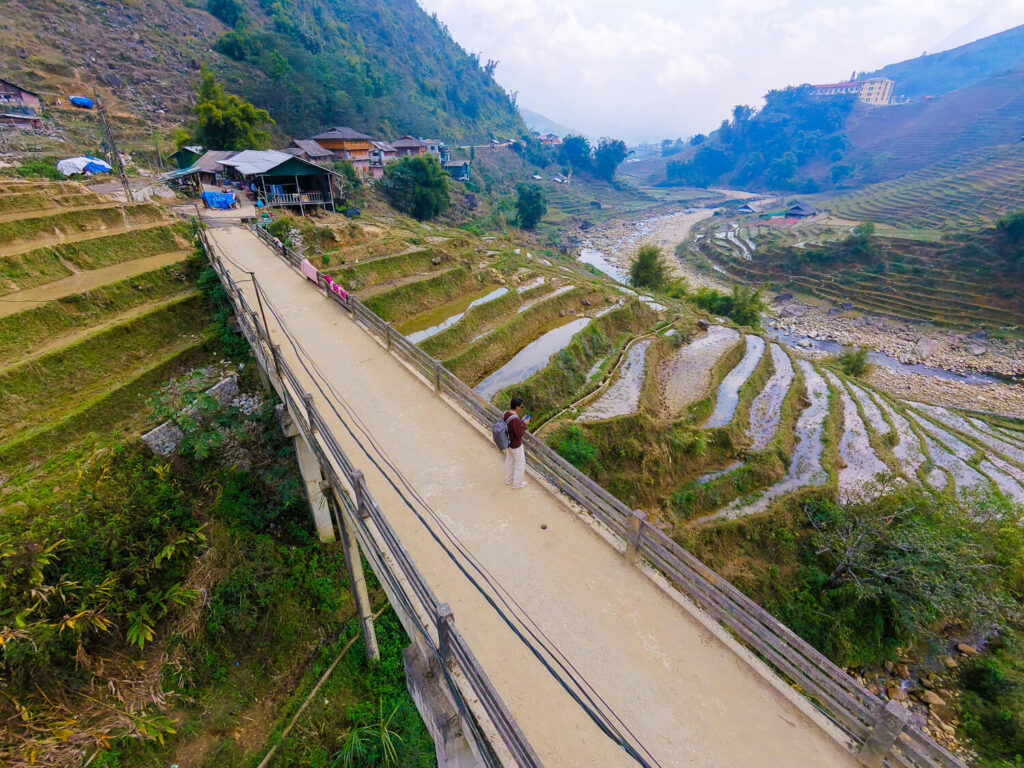
The main trekking routes around Sapa are well-marked. Thousands of people walk them every week. The trails to villages like Lao Chai and Cat Cat are accessible, relatively safe, and don’t require technical mountaineering skills.
Trekking Sapa without a guide gives you complete independence. You leave when you want. Stop when you want. Sit by a rice terrace for 20 minutes without feeling like you’re holding anyone up. That freedom is worth it.
But self-guided trekking in Sapa does require some preparation. And you need to be honest about your own comfort level with navigation, weather unpredictability, and walking alone in unfamiliar terrain.
I’ll break down exactly what to expect. So you can decide if solo trekking in Sapa is for you.
Self-Guided vs. Guided Sapa Trek: Which Should You Choose?
The terrain around Sapa isn’t extreme. It’s not technical climbing. No ropes. No scrambling over rocks. Just walking. Lots of walking. With some steep sections that’ll make your legs burn.
The paths are mostly dirt trails and concrete steps. Some sections are paved. Others are muddy. Especially if it rained recently or if you’re walking through rice paddies.
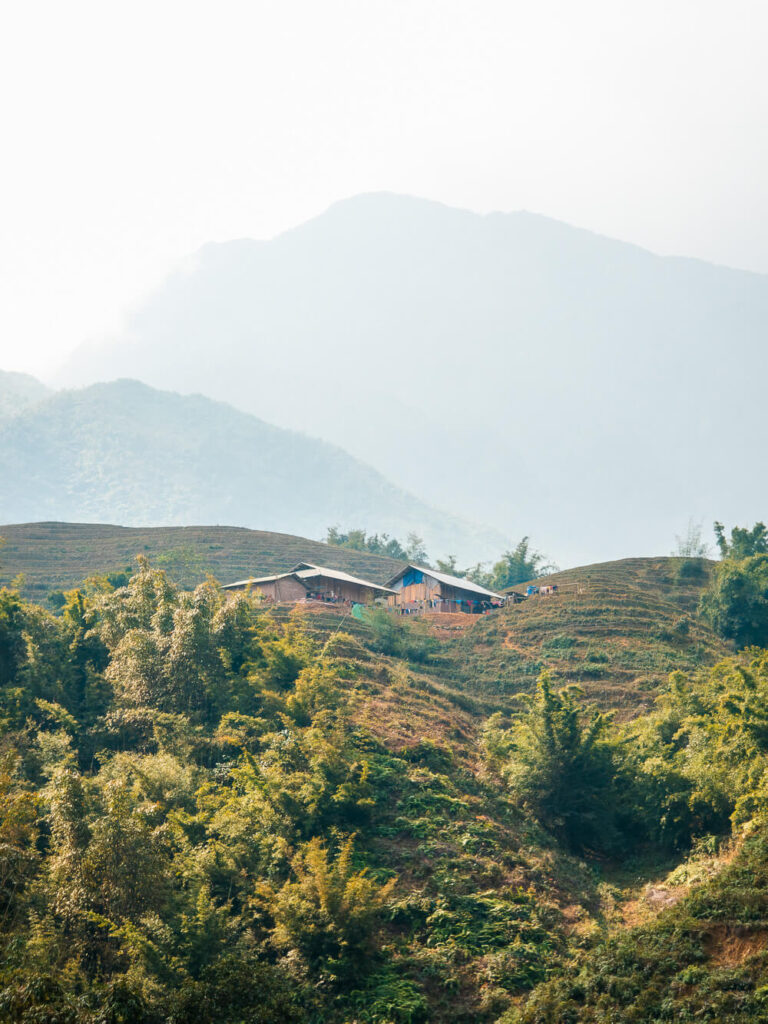
You’ll pass through local villages. Wooden houses. Kids playing outside. Water buffalo standing in fields. People working. It’s not a zoo. It’s real life. And you’re just walking through it.
Navigation is straightforward on popular routes like Lao Chai. The trail is obvious. Other trekkers are usually visible ahead or behind you. And locals are around if you get genuinely lost, though language barriers can make asking for directions tricky.
Weather is the wild card. Fog can roll in fast. Visibility drops. Suddenly you can’t see the trail 10 meters ahead. This happened to me on a different day when I tried riding a scooter to Ta Van. The fog came in so thick I had to turn back.
Self-guided trekking in Sapa is accessible. But it’s not effortless. Come prepared.
My Solo Route: Sapa Town to Lao Chai Village
Let me tell you exactly how my self-guided Sapa trek went.
I stayed in Sapa for 7 days. And the Lao Chai trek was the highlight. Not just of Sapa. Of my entire Vietnam trip.
I’d spent days exploring Sapa town. Walking around the lake. Working from cafés. Waiting for the fog to clear. And on day 5, the weather looked decent enough. Not perfect. But decent.
So I decided to go. Alone. No guide. No tour group. Just me and a trail map on my phone.
I left my hostel around 7 a.m. Walked straight from Saparis Station Hostel in the town center. No transport needed. The trek starts right from town.
The route took me through Sapa’s main landmarks. Past the globe statue everyone takes photos with. Past the church. Through the amphitheater area. Then the path starts sloping downward toward the valley.
The first 30 minutes felt easy. Paved roads. Gentle downhill. Other trekkers starting their day. Locals heading to work. Nothing intimidating.
Then the pavement ended. The trail turned to dirt. The slope got steeper. And I realized this was going to be longer than I expected.
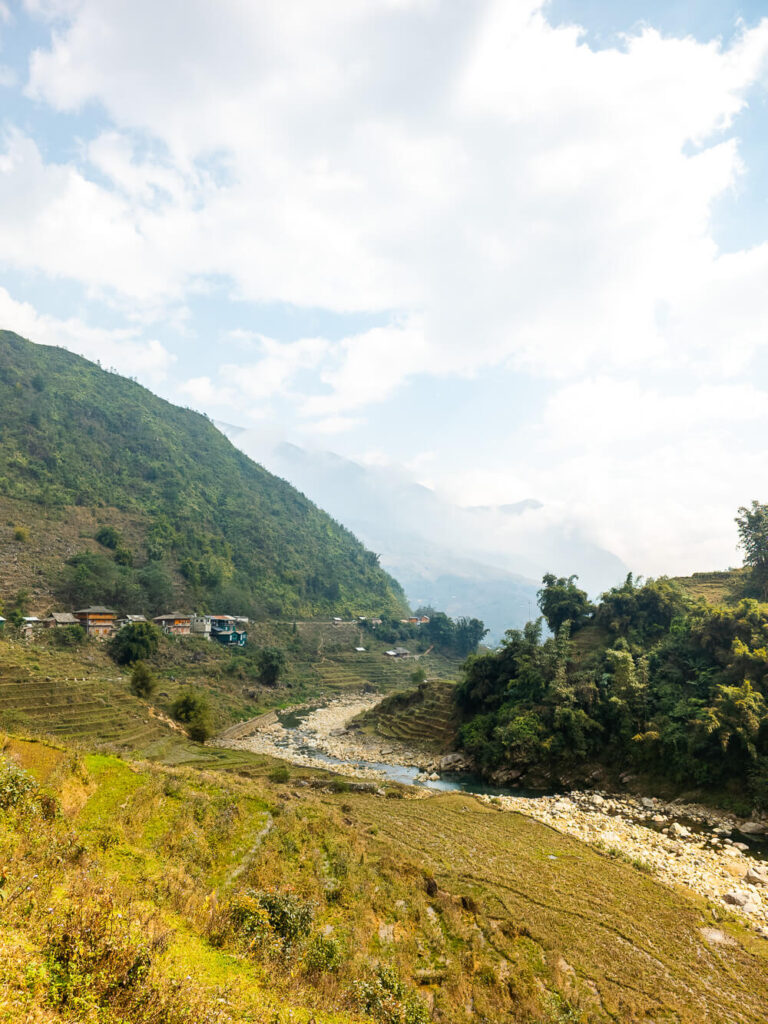
But the views started opening up. Rice terraces on both sides. Mountains in the distance. Fog still clinging to the peaks but lifting slowly.
I stopped. Took it in. No one rushing me. No guide saying “okay, let’s move.” Just me and the landscape.
That’s when I knew I’d made the right choice doing Sapa trekking without a guide.
The Descent into Muong Hoa Valley
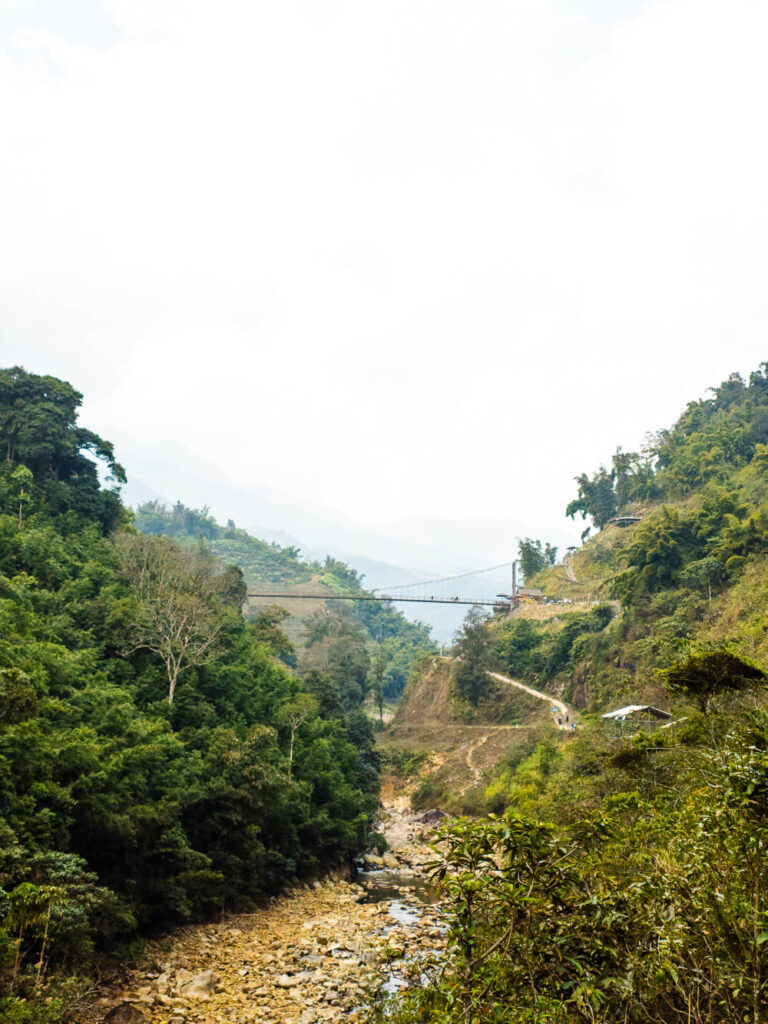
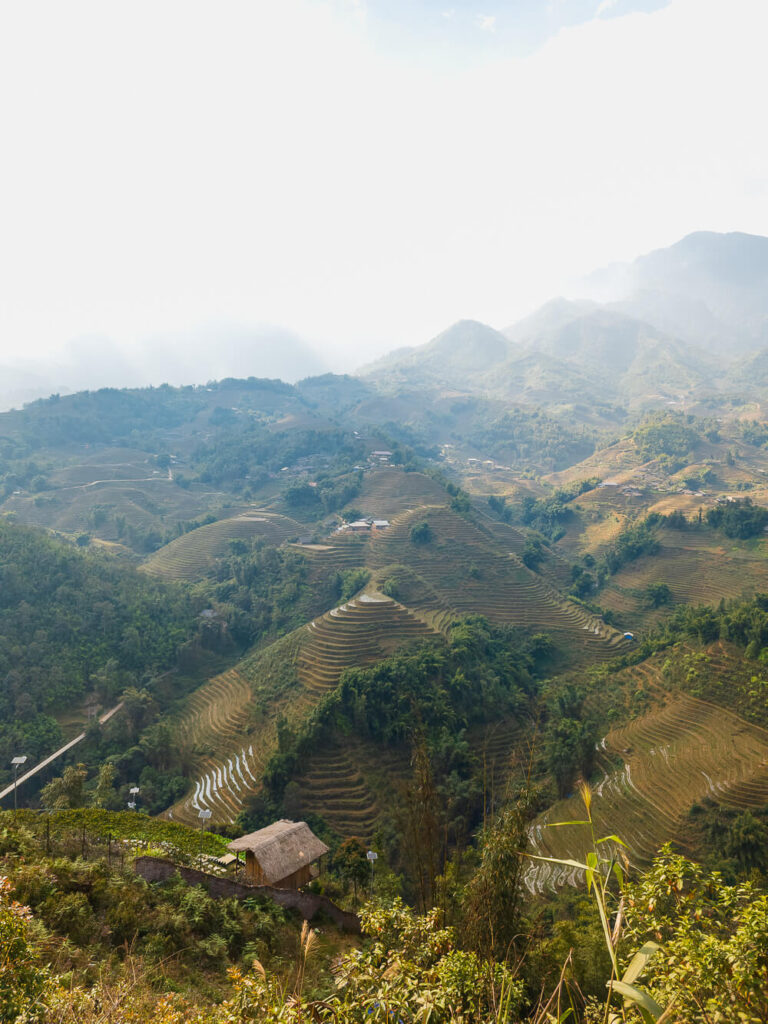
About an hour into the walk, the descent into Muong Hoa Valley began properly. This is where the rice terraces really open up.
Terraces climbing the hillsides like giant green stairs. Water reflecting the sky in the paddies. The curves and lines following the natural shape of the land.
The mountains in the background added depth. Some peaks were clear. Others were half-hidden in fog. The weather kept shifting. Clouds rolling in and out.
I crossed a suspension bridge over a dam. The wooden planks swayed slightly as I walked. Views of the water below and terraces on both sides.
That bridge felt like a transition point. Like I’d officially left the modern world and entered the mountain villages.
After the bridge, the landscape opened up even more. I could see the full valley. Terraces stretching in every direction. Small houses dotted across hillsides. Paths connecting villages.
And then I saw paragliders. People launching from the mountains above and gliding down. Landing right in the village fields. It was surreal. I stood there watching them float down. Bright parachutes against green terraces.
I didn’t expect that. But it added to the whole experience.
Meeting Locals in Lao Chai (Without the Sales Pressure)
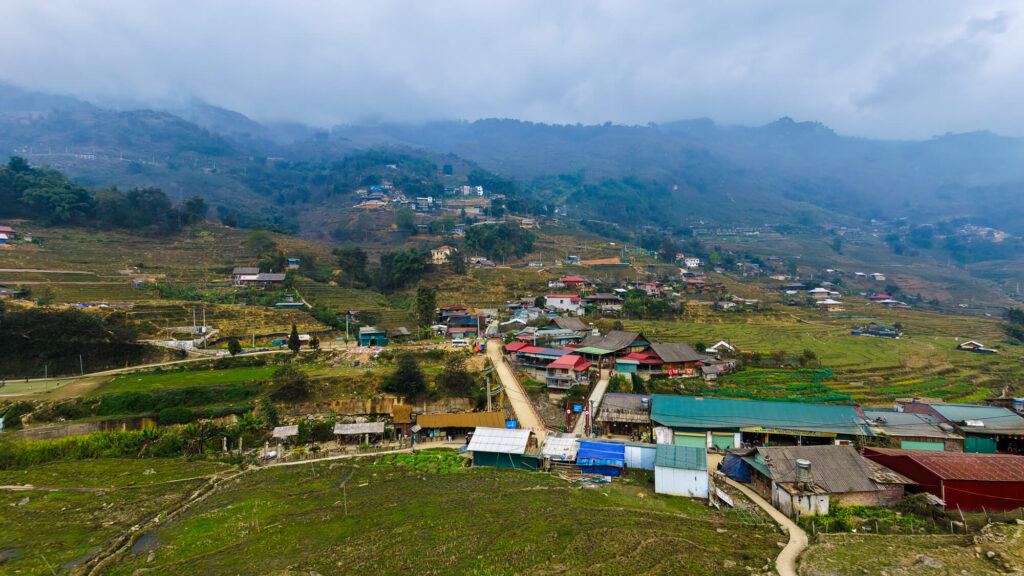
I reached the entrance to Lao Chai village around midmorning.
And this is where something interesting happened.
There are local women who wait at the village entrance. They approach trekkers and offer to walk with you through the village. They don’t charge upfront. But they’ll take you around and then bring you to shops where you can buy handicrafts, scarves, traditional clothing.
They get commission if you buy. That’s how it works.
I knew I wasn’t going to buy anything. I was on a tight budget. And I didn’t want to waste anyone’s time or feel pressured. So I told them upfront: “I’m not buying anything today. Just here to walk and see the village.”
They were fine with it. No hard feelings. They moved on to other trekkers.
If you’re like me and you know you’re not interested in shopping, just be direct from the start. It saves everyone time and avoids awkwardness.
The village trek through Lao Chai was incredible. Wooden houses built on hillsides. Kids playing in front of homes. Women working in the rice paddies wearing traditional clothing. Water buffalo moving through muddy paths.
It felt real. Not staged. People weren’t performing for tourists. They were just living. And I was walking through their daily life.
I walked slowly. Stopped often. Took photos. Sat on a stone wall and just watched the terraces. No one telling me to hurry up.
This is what solo trekking in Sapa gives you. Complete control over your pace and experience.
Why I Skipped Ta Van Village
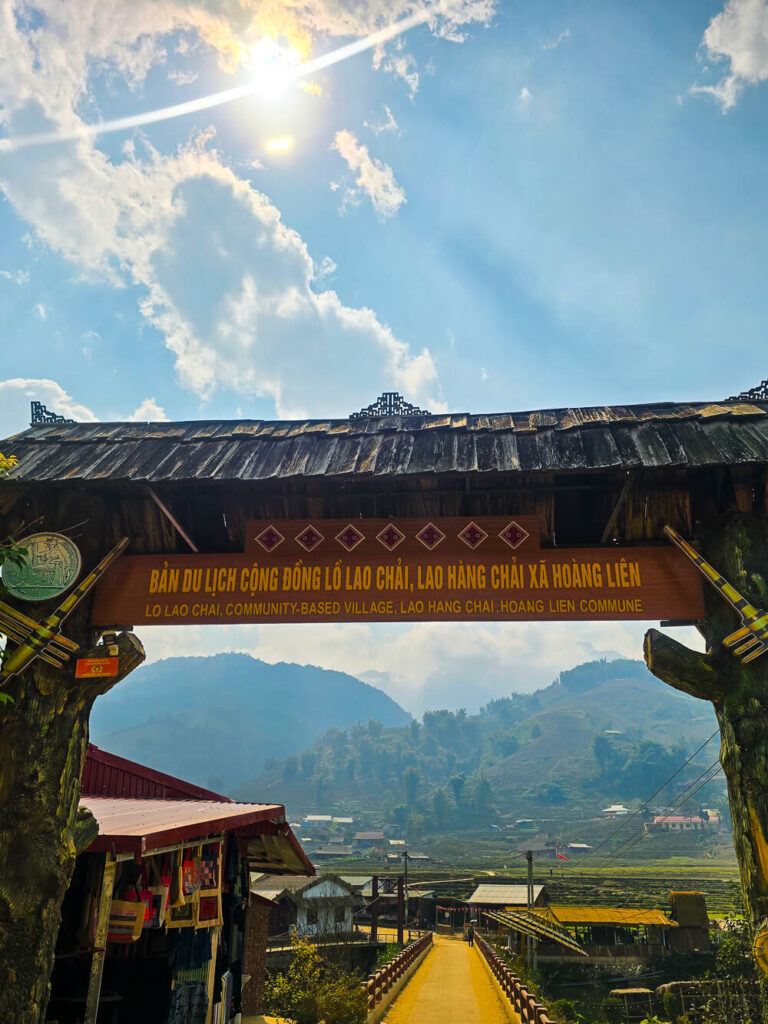
I reached Lao Chai around midday. I’d been walking for about 3 hours with stops.
I originally wanted to continue to Ta Van village. It’s further out. More remote. Supposed to have even better rice terraces.
But I looked at the time. It was around 3 or 4 p.m. by the time I’d explored Lao Chai. And Ta Van was another 1–2 hours away.
If I went, I’d be walking back in the dark. Through unfamiliar trails. With fog potentially rolling in again.
I made the call to skip Ta Van. Head back to Sapa instead.
It was the right decision. Trekking Sapa without a guide means knowing your limits. And pushing too far just to say you did it is how people get into trouble.
Save Ta Van for another day. Or for people who start earlier. Or for those staying overnight in the villages.
Essential Logistics for Sapa Trekking Without a Guide
Best Offline Maps and Navigation Apps
Download offline maps before you start. This is non-negotiable.
I used Organic Maps. It shows the exact route from Sapa town to Lao Chai village. GPS works even without internet. The trail is marked clearly on the app. You can see your location in real time.
Maps.me is another good option. Also works offline. Free to download.
Don’t rely on asking locals for directions unless you speak Vietnamese. The language barrier makes it difficult. And when fog rolls in, you need a digital map you can trust.
Download the maps while you’re still in Sapa town with WiFi. Test them before you leave. Make sure GPS is working.
Navigating Sapa’s Unpredictable Weather & Fog
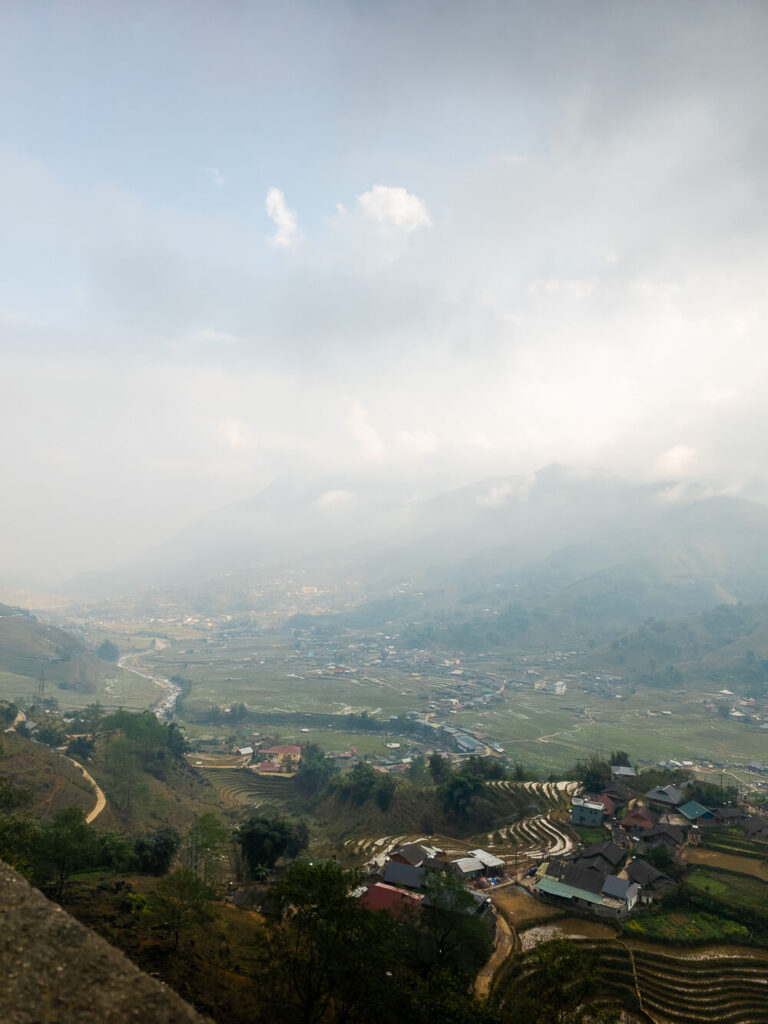
Weather matters more than you think for self-guided Sapa trekking. Check the forecast. But don’t trust it completely. Sapa weather changes fast. What’s clear at 7 a.m. might be foggy by 10 a.m.
Fog is the biggest challenge when trekking Sapa without a guide. Not the terrain. Not the distance. The fog. When it rolls in, visibility drops to almost nothing. You can’t see the path. You can’t see the views. Everything is white.
If you’re trekking alone and the fog hits hard, you have two options: wait it out or turn back.
I’ve been caught in fog. It’s disorienting. Even with GPS. You can still follow the trail on your phone. But you can’t see what’s around you. And that makes decision-making harder.
Start early. 7 or 8 a.m. The light is better. It’s cooler. And you avoid the tour groups that leave around 10 a.m. Plus you’ll have more daylight buffer if something goes wrong.
Bring water. At least 1 liter. Maybe 1.5 if you’re going further. There are no shops along the trail. You can’t buy water halfway through.
What to Wear for Muddy Rice Terraces
Shoes matter. Wear proper trekking shoes or at least sneakers with good grip. The trails get muddy. Some sections are steep. Flip-flops or fashion sneakers won’t cut it.
I wore my regular Adidas sneakers with decent grip and they worked fine. Not hiking boots. Just regular athletic shoes. But they had tread. And that made a difference on muddy sections.
Long pants help. The trails go through grass and bushes in some sections. You’ll brush against plants. Shorts will leave your legs scratched.
Layers. The temperature changes as you descend into the valley. Start cool in Sapa town. Get warmer as you walk and the sun comes out. Then cool again if fog rolls in.
A light rain jacket if you’re going between November and April. Rain can hit suddenly. And getting soaked makes the walk back miserable.
How to Get Back to Sapa Town (Motorbike Taxis vs. Walking)
One thing to know: There’s no public transportation along these trekking routes. No buses. No tuk-tuks waiting to drive you back to Sapa town.
Your options are walk back or hire a motorbike taxi.
The motorbike taxis hang around the villages. Especially Lao Chai. Local guys with scooters. They’ll take you back to Sapa town for around 50,000–100,000 VND ($2–$4).
It’s convenient if you’re tired. If your legs are dead. If fog is rolling in and you don’t want to walk back in low visibility.
I walked back. The uphill was brutal. My legs were screaming by the time I reached Sapa town. But I wanted the full experience. And I didn’t want to spend the money.
Took me about 2 hours to walk back uphill. Slower than the descent. But manageable.
If you’re doing Sapa trekking without a guide, factor in the return journey. It’s always harder than the way down. Your legs are already tired. The incline is steep. And the novelty has worn off.
Motorbike taxi is worth it if you’re genuinely exhausted or if weather is turning bad.
Final Verdict: Is Sapa Trekking Without a Guide Safe and Worth It?
Yes. For me, absolutely.
Sapa trekking without a guide was better than it would have been with a group. I moved at my own speed. Stopped when I wanted. Changed my plans when conditions shifted. And I saved money by not paying for a tour.
The experience felt more personal. More authentic. Less like a scheduled activity and more like an actual adventure.
But it’s not for everyone.
You should do self-guided trekking in Sapa if:
You’re comfortable with basic navigation and using GPS apps offline. If you can follow a trail on your phone, you’ll be fine.
You’re okay with some physical effort. It’s not extreme. But it’s not a casual stroll either. Expect sore legs afterward.
You want flexibility. To stop when you want. Go at your own pace. Change plans based on weather without consulting a group.
You’re traveling on a budget. Guides cost 300,000–500,000 VND ($12–$20) per day. Going solo saves that money.
You should hire a guide if:
You want to go to more remote villages beyond Lao Chai or Cat Cat. Deeper into the mountains where trails are less obvious and navigation is harder.
You want cultural and historical context. Guides explain things. They know the area. They can answer questions about the ethnic groups, the farming techniques, the traditions.
You’re nervous about navigation or weather. A guide handles that stress for you. They make decisions. They know when to turn back.
You’re part of a group that wants a structured experience. Sometimes organized tours just make sense logistically.
Is Sapa trekking safe without a guide? Yes, on popular routes like Lao Chai and Cat Cat. These trails are well-traveled. You’ll see other trekkers. The paths are clear. The villages are safe.
Is it worth it? Absolutely. The rice terraces. The villages. The mountain air. The freedom to move at your own pace. It’s one of the best things I did in Vietnam.
My practical advice: Start with Lao Chai on your own. See how it feels. If you want more and want to go deeper into remote areas, hire a local guide for the next trek.
That way you get both experiences.
More Vietnam Slow Travel Guides
If you’re building a bigger Sapa itinerary or Vietnam trip, here’s what else I’ve written:
Sapa Travel Guide 2026: Fog, Trekking & Real Costs – Everything you need to know about visiting Sapa including where to stay, what it costs, and how many days you need
Hanoi Travel Guide (2026): What to Do, Where to Stay & Costs
Vietnam Itinerary for Slow Travel: My 50-Day Route Through the Real Vietnam – My full 50-day route through Vietnam including Sapa, Hanoi, Ninh Binh, Hoi An, and more
Conclusion
Sapa trekking without a guide is possible. It’s accessible. And for the right person, it’s the better option.
You don’t need someone holding your hand through the rice terraces. The trails are clear on popular routes. Other trekkers are around. And the experience of navigating it yourself adds something you can’t get in a tour group.
But it depends on your comfort level. With navigation. With uncertainty. With being responsible for your own safety and decisions.
For me, solo trekking in Sapa made the experience better. The freedom. The quiet. The feeling of figuring it out myself. That’s what I’ll remember years from now.
If you’re considering it, my advice is simple: Download AllTrails or Maps.me. Start early. Bring water. Wear shoes with grip. And trust yourself.
The rice terraces are waiting. And they’re even better when you walk through them at your own pace.
Frequently Asked Questions
Can I do this trek in sneakers or do I need hiking boots?
I did the whole route to Lao Chai in my regular Adidas sneakers. If it’s a dry day, you’ll be fine with any shoes that have decent grip. However, if it’s been raining, the rice paddies turn into a giant mud slide. In that case, you’ll definitely want proper trekking shoes or boots. Otherwise, you’ll be spending more time on your butt than on your feet.
Is it safe to do a Sapa solo trek as a traveler?
Yes, I felt perfectly safe. The main trails are well-traveled and the local people in the villages are used to seeing hikers. The biggest “danger” isn’t the people. It’s the weather. Getting lost in thick fog or slipping on a muddy cliff edge are the real risks. As long as you have your offline maps and stay aware of your surroundings, you’re good.
How much does it cost to trek Sapa on your own?
Almost nothing! That’s the beauty of it. You might have to pay a small village entrance fee (usually around 50,000–100,000 VND) at a station on the road, but other than that, your only costs are water, snacks, and the motorbike taxi back if you’re too tired to walk uphill. Compare that to $20–$40 for a guided tour, and you’re saving a lot of money.
Do I need a permit for Sapa trekking without a guide?
For the popular routes like Lao Chai, Ta Van, and Cat Cat, you don’t need a special permit. Just the entrance ticket I mentioned above. If you were planning to climb Fansipan or go into deep, restricted border zones, you’d need a permit and a guide, but for the village trails, you can just start walking.
How do I find the trailheads from Sapa town?
It’s easier than it looks. Most trails start right from the town center near the church or the Saparis Station area. The key is to not rely on physical signs, because they barely exist. Use Organic Maps or Maps.me, they show the tiny dirt paths that lead out of the paved streets and down into the valley.
What happens if I get lost in the fog?
Don’t panic, but don’t keep walking into the unknown either. If the fog gets so thick that you can’t see the path 10 meters ahead, check your GPS. If you’re off-track, head back to the last landmark you recognize or wait 15 minutes to see if it clears. If all else fails, look for a local house, most villagers are happy to point you back toward the main road.