Planning a trip? Here is my exact Vietnam travel budget from 50 days of slow travel. Get real, itemized costs for hostels, local food, and sleeper buses.(CLICK HERE)
Table of Contents
This is a real Vietnam travel budget. Not an estimate. Not a “could cost between X and Y” range article. Every number here comes from 50 days I actually spent traveling Vietnam in February and March 2026.
I tracked every dong. Every bus ticket. Every hostel. Every meal. Every entry fee and every bag of laundry. What you’re reading is the complete cost of traveling Vietnam slowly, from Hanoi in the north all the way down to Ho Chi Minh City.
Vietnam Travel Budget Breakdown: The 50-Day Summary
| Category | Total Cost |
|---|---|
| Accommodation | 5,050,000 VND ($191.9 USD) |
| Food and Coffee | 7,430,000 VND ($297.2 USD) |
| Transport | 4,465,000 VND ($169.7 USD) |
| Miscellaneous | 1,400,000 VND ($56 USD) |
| Grand Total | 18,345,000 VND ($697.1 USD) |
And here’s the summary version for quick reference:
| Category | Amount |
|---|---|
| Total Vietnam Spend | 18,345,000 VND ($697.1 USD) |
| Daily Average | 366,900 VND ($13.9 USD) |
| Accommodation Total | 5,050,000 VND ($191.9 USD) |
| Food Total | 7,430,000 VND ($297.2 USD) |
| Transport Total | 4,465,000 VND ($169.7 USD) |
| Miscellaneous Total | 1,400,000 VND ($56 USD) |
Total days: 50
Destinations visited: Hanoi, Sapa, Ninh Binh, Hue, Hoi An, Da Lat, Ho Chi Minh City
Travel style: Slow travel, hostels, local food, sleeper buses
Is Vietnam Expensive for Backpackers and Slow Travelers?
No. Vietnam is one of the most affordable countries in Southeast Asia for budget travel. But your actual Vietnam travel budget depends almost entirely on how you move through the country.
The Vietnam backpacking budget in this article reflects slow travel. Hostels every night. Local food every meal. Sleeper buses between cities. Scooter rentals within cities. Very few organized tours or paid activities.
That’s the cost of traveling Vietnam the way it’s meant to be experienced. Not the budget version of the trip. The real version. Eating where locals eat, riding your own scooter through countryside, staying in hostels where you meet other travelers, and actually spending time in places rather than rushing past them.
If you want air-conditioned hotel rooms, Grab taxis everywhere, and western meals, the cost of traveling Vietnam will look very different. This guide is for the former.
Cost of Accommodation in Vietnam (Hostel Breakdown)
I stayed in hostels for every single night of my 50-day trip. Not once did I book a guesthouse or hotel. Hostels in Vietnam typically include free WiFi and most offered free breakfast which reduced my food costs further. The quality was consistently good across all destinations.
Here’s what I paid, city by city.
Hanoi Accommodation Costs
Hostel: Hanoi Capsule Station
Nights stayed: 6
Total paid: 790,000 VND ($29.9 USD)
Hostel: Urban Slumber Hostel
Nights stayed: 3
Total paid: 340,000 VND ($13 USD)
Sapa Accommodation Costs
Hostel: Saparis Station Hostel
Nights stayed: 6
Total paid: 550,000 VND ($22 USD)
Free breakfast included. One important note: Saparis Station does not have lockers in the rooms. Keep your passport, laptop, and valuables in your day bag rather than leaving them in the dorm.
Ninh Binh Accommodation Costs
Hostel: City Garden Hostel
Nights stayed: 10
Total paid: 800,000 VND ($30 USD)
Hue Accommodation Costs
Hostel: TOVO Hostel
Nights stayed: 5
Total paid: 600,00 VND ($22.8 USD)
Hoi An Accommodation Costs
Hostel: Harmony Old Town Hostel & Pool Bar – My Favorite Hostel
Nights stayed: 10
Total paid: 1,270,000 VND ($48 USD)
Da Lat Accommodation Costs
Hostel: Casanova Dalat Hotel & Coffee
Nights stayed: 3
Total paid: 410,000 VND ($15.4 USD)
Ho Chi Minh City Accommodation Costs
Hostel: 9 Hostel and Suites
Nights stayed: 2
Total paid: 290,000 VND ($11 USD)
Total Accommodation Spend: 5,050,000 VND ($191.9 USD)
Food and Coffee Prices: Eating Local in Vietnam
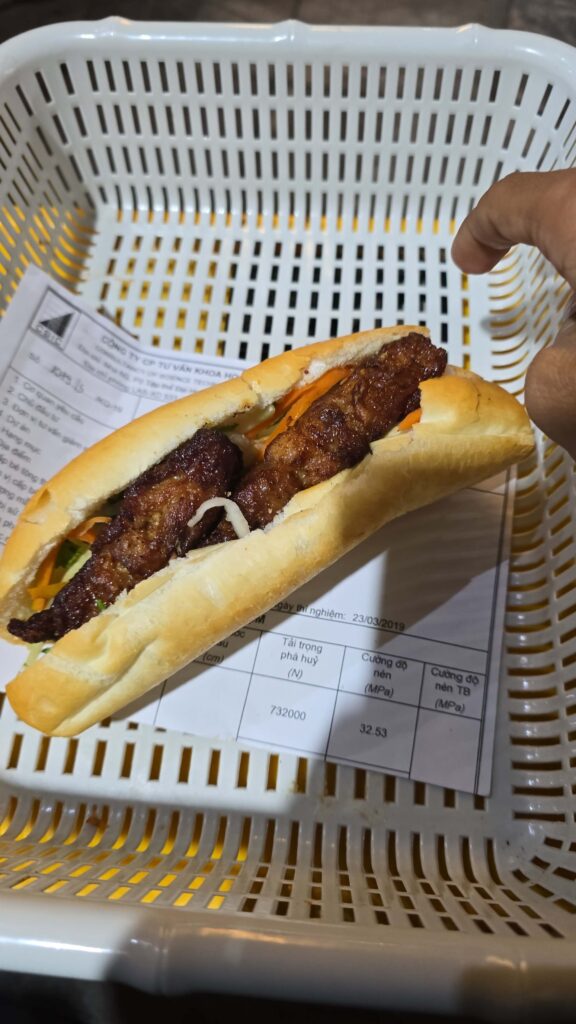
Food was one of the most surprising parts of my Vietnam travel budget. Across 50 days, I never crossed 180,000 VND ($7.20) in a single day on meals. Not once.
Here is how the daily food spend broke down.
Local meals: I ate at local Vietnamese restaurants almost exclusively. No tourist menus. No English signage. Just plastic stools, pointing at dishes, and food that was consistently good and consistently cheap.
A bowl of phở cost 30,000 to 40,000 VND ($1.20 to $1.60).
Bánh mì from street vendors ran 20,000 to 25,000 VND ($0.80 to $1).
Rice dishes with meat and vegetables came to 40,000 to 60,000 VND ($1.60 to $2.40).
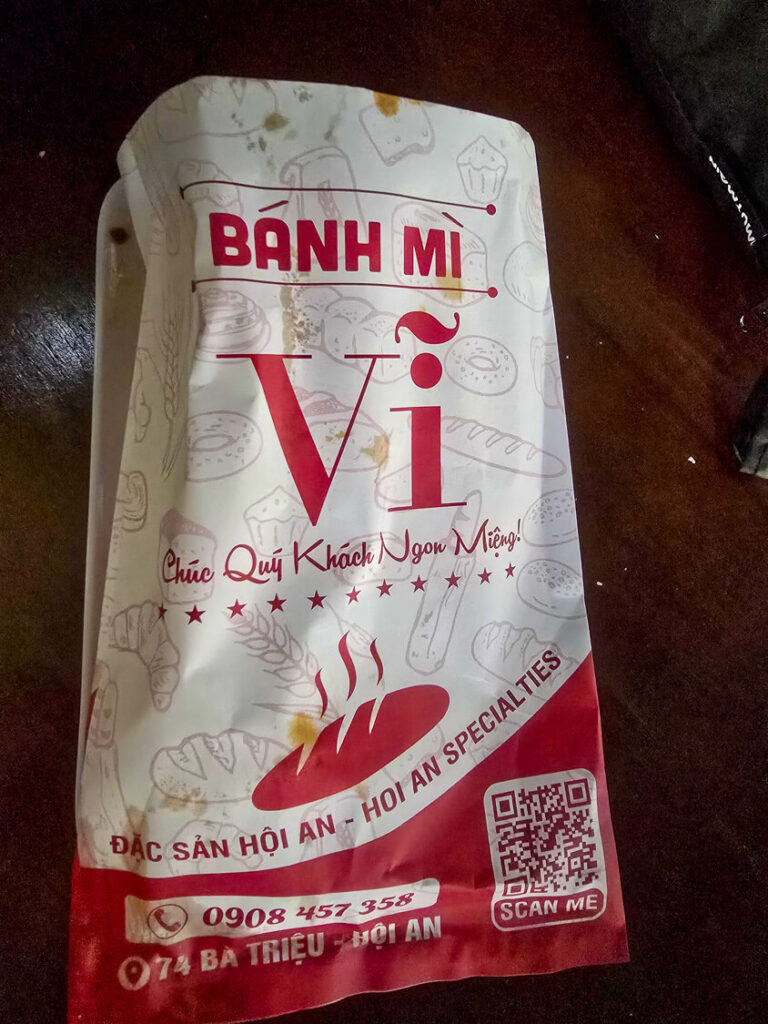
The rule I followed throughout: if the restaurant had photo menus and prices in USD, I kept walking. If it had plastic stools and locals eating, I sat down.
Coffee: I visited cafés a handful of times during the trip but it was never a daily habit. When I did stop at a café, Vietnamese iced coffee cost 20,000 to 30,000 VND ($0.80 to $1.20). It never meaningfully affected my Vietnam budget because it was occasional rather than routine.
Snacks and extras: Fruit from street vendors. Cold drinks. Instant noodles during Tet when restaurants were closed in Ninh Binh. These added maybe 20,000 to 40,000 VND ($0.80 to $1.60) on the days they occurred.
Daily food average: 120,000 to 180,000 VND ($4.80 to $7.20) for all meals combined.
Most expensive city for food: Hoi An. The Old Town pulls you toward tourist restaurants without you realizing it. You have to consciously walk further from the main streets to find proper local pricing. It is not hard once you know to do it. But it catches people off guard.
Cheapest city for food: Ninh Binh. Local restaurants in and around Tam Coc charged noticeably less than anywhere else I visited. My daily food spend was at its lowest here.
Total Food and Coffee Spend: 7,430,000 VND ($297.20 USD)
Transportation Costs: Getting Around Vietnam on a Budget
Transport was a significant part of my Vietnam backpacking budget. Vietnam is a long country and moving between cities costs money. Here is exactly what I spent on every leg.
Intercity Travel (Sleeper Buses and Vans)
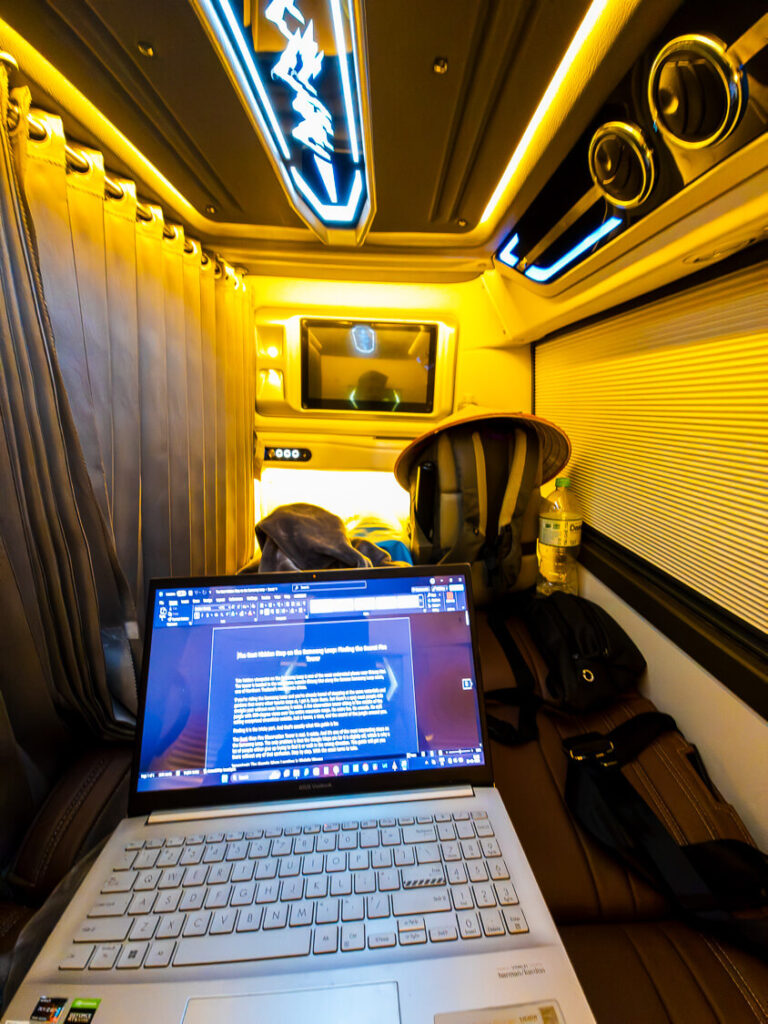
I used sleeper buses for almost all intercity travel. One van. No domestic flights. No private taxis between cities. Sleeper buses handled every long-distance leg. And I used Vexere to book all of these.
| Route | Transport | Cost |
|---|---|---|
| Hanoi to Sapa | Sleeper Bus (FUTA HA SON) | 260,000 VND ($10.40) |
| Sapa to Hanoi | Sleeper Bus | 190,000 VND ($7.2) |
| Hanoi to Ninh Binh | Van (Vexere) | 155,000 VND ($6.20) |
| Ninh Binh to Hue | Sleeper Bus (HK Busline) | 700,000 VND ($28) |
| Hue to Hoi An | Bus | 200,000 VND ($7.6) |
| Hoi An to Da Lat | Sleeper Bus | 800,000 VND ($30.4) |
| Da Lat to Ho Chi Minh City | Bus | 260,000 VND ($9.9) |
Why sleeper buses for almost everything: They are cheap. They are comfortable enough for overnight travel. And every overnight sleeper bus journey effectively replaces a night’s accommodation. Paying 700,000 VND ($28) for the Ninh Binh to Hue HK Busline run meant I paid for both transport and sleeping in one transaction.
Why a van to Ninh Binh: The van picked me up directly from my hostel in Hanoi and dropped me near Tam Coc. No navigating to a bus station. No Grab ride at the other end. I booked through Vexere and paid 155,000 VND ($6.20). The door-to-door convenience was worth the small cost.
I booked all intercity transport through Vexere. Reliable. Easy to use. Real-time availability. Instant confirmation. The best booking platform for Vietnam transport in my experience.
Local Transport (Scooter Rentals, Bicycles, and Grab)
Getting around within cities and towns added daily costs. Here’s the breakdown.
Scooter rental: My main form of local transport in Sapa, Ninh Binh, Hue, and Da Lat. Cost 100,000 to 150,000 VND ($4 to $6) per day depending on the city and bike type. In Sapa, the mountain roads required your own wheels. In Ninh Binh, a scooter was the only practical way to reach temples scattered across the region.
Fuel: A full tank cost around 50,000 to 70,000 VND ($2 to $2.80) and lasted several days of local riding. Fuel added very little to the daily Vietnam budget.
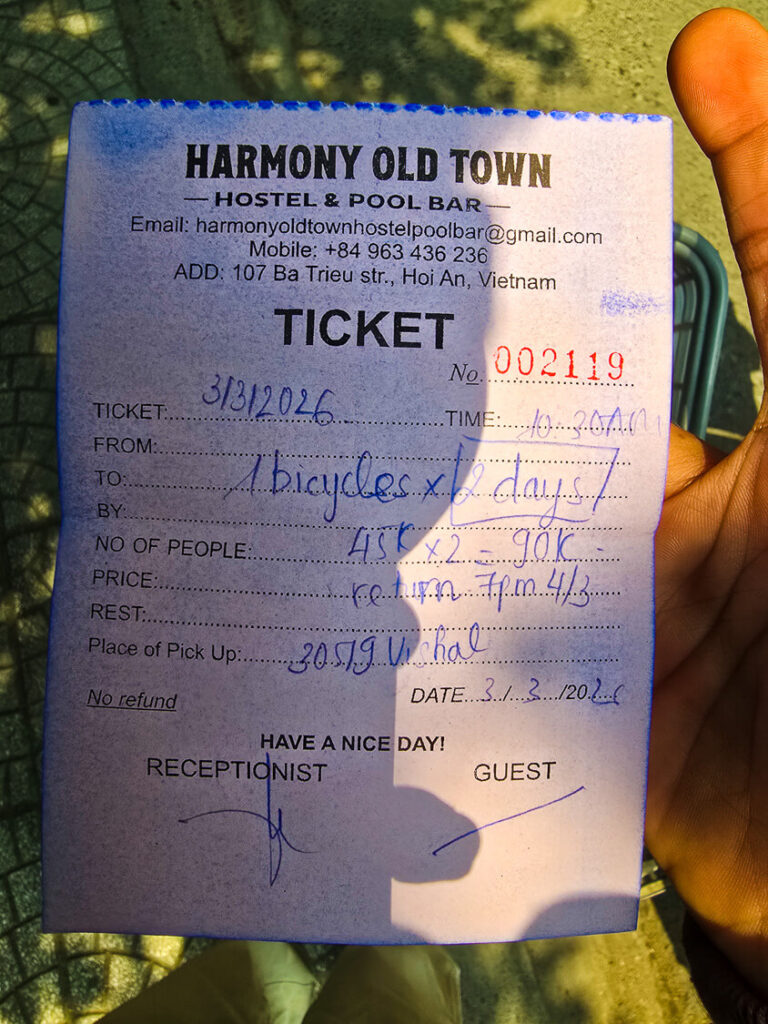
Bicycle rental: I rented a bicycle once during the trip for 45,000 VND ($1.80) per day. Perfectly adequate for flat areas. Good for Hoi An. Less practical in hilly destinations.
Grab: I used Grab mainly for airport and station transfers. Hanoi airport to Old Quarter. Station to hostel on arrival days. Short necessary hops rather than daily use. Never for getting around within cities day to day.
Total Transport Spend: 4,465,000 VND ($169.7 USD)
Miscellaneous Expenses: SIM Cards, Laundry, and Entry Fees
These are the smaller costs that don’t fit neatly into accommodation, food, or transport. They matter for building an accurate Vietnam travel budget.
SIM card: I bought a Viettel SIM at Hanoi airport immediately after landing. Cost 160,000 VND ($6.40) for one full month of data. Coverage was excellent across every city and most rural areas throughout the trip. Having data from the moment I landed made every logistical challenge easier. Navigating. Booking. Using Grab. Finding hostels. One of the best value purchases of the entire Vietnam trip.
Laundry: I did laundry roughly once per week. Most hostels and local laundry services charge separately for washing and drying. I paid around 30,000 VND ($1.20) for washing and 30,000 VND ($1.20) for drying at most places. Some smaller laundry spots in Ninh Binh charged as little as 28,000 VND ($1.12) total. For a full week’s clothes, this meant spending 56,000 to 60,000 VND ($2.24 to $2.40) per laundry run across 50 days.
Entry fees: I kept paid activities to an absolute minimum. Most of what I did was free. But a few things cost money.
Abandoned Waterpark in Hue: 50,000 VND ($2). An old theme park left entirely to decay. Unsettling, interesting, and genuinely worth the visit.
Bich Dong Pagoda parking: 30,000 VND ($1.20). The pagoda itself is free. But you pay to park your scooter in the area. Worth knowing before you ride out.
Bich Dong Secret Cave (Thien Cung Cave): 30,000 VND ($1.20). A small entry fee to explore the hidden cave behind Bich Dong Pagoda. Not well-marked on maps. Ask a local to point you toward it.
Miscellaneous: Water bottles on bus journeys. Occasional snacks. Small purchases that don’t belong in any category.
Total Miscellaneous Spend: 1,400,000 VND ($56 USD)
Destinations Compared: Cheapest vs. Most Expensive Cities
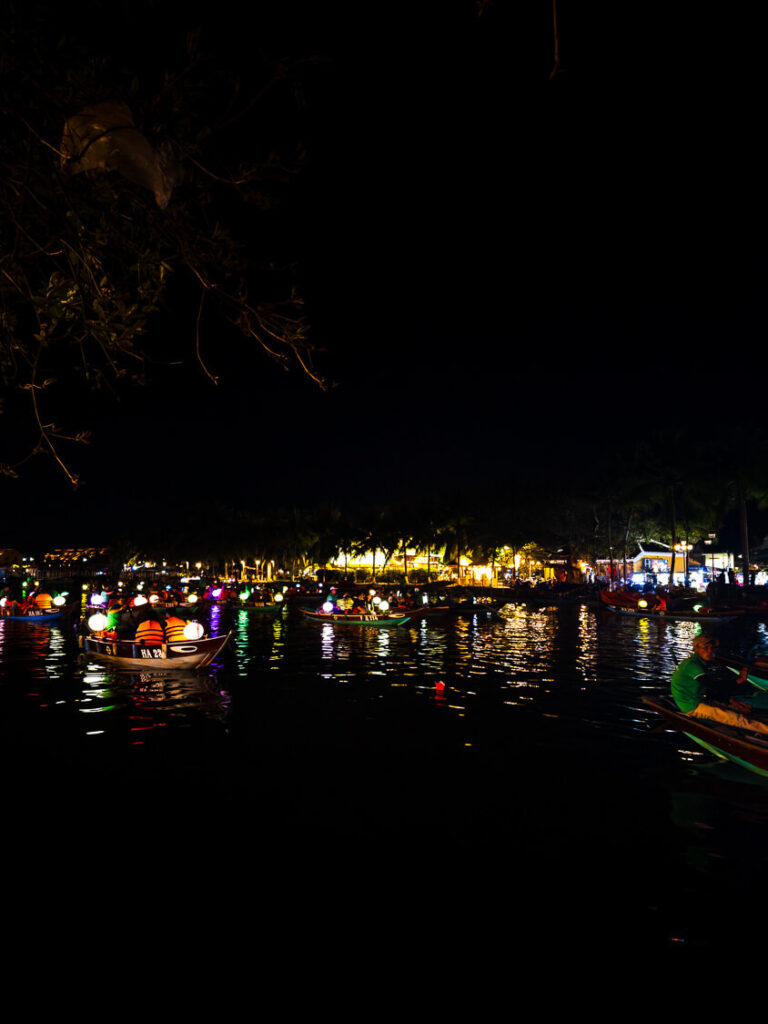
Every destination in Vietnam has a different cost level. Here is how my Vietnam travel budget compared across the cities I visited.
Cheapest destination: Ninh Binh. Without question. Accommodation was cheap. Local restaurants in Tam Coc charged less than anywhere else on the trip. Most activities were free. Riding scooters through rice fields. Walking to temples. Exploring Bich Dong. A full day out cost almost nothing beyond the scooter rental itself. My 11 days here brought my daily average down noticeably.
Most expensive destinations: Hoi An and Da Lat. Both pushed my daily average higher than anywhere else. Hoi An’s Old Town creates a gravitational pull toward tourist pricing that requires conscious effort to resist. Da Lat was more expensive partly because I couldn’t rent a scooter there, which meant relying on other transport more than I’d planned.
Cheapest meal across the entire trip: Bánh mì from a street vendor in Ninh Binh. 20,000 VND ($0.80). Fresh. Filling. No questions asked.
Most expensive single transport leg: The HK Busline sleeper bus from Ninh Binh to Hue at 700,000 VND ($28). But it was also the best value because it replaced a night’s accommodation. Paying $28 for an overnight journey in a private enclosed cabin is a deal, not an expense.
Best value purchase of the trip: Viettel SIM card at Hanoi airport. 160,000 VND ($6.40) for a month of data that made every other part of the trip work better.
How to Lower Your Vietnam Travel Budget: Lessons from the Road
Fifty days of travel teaches you things. Here are the adjustments I would make if I did this Vietnam backpacking trip again with the goal of spending even less.
Stay longer in fewer places. My daily average dropped in every city where I stayed more than a week. You stop making tourist food decisions. You find your local spots. You stop paying for constant transport between accommodation. Ninh Binh was my longest stay at 11 days and also my cheapest destination. That is not coincidental.
Book sleeper buses through Vexere earlier. The better operators and cabin types sell out days in advance in peak season. Booking 3 to 4 days ahead gives you access to the best options at normal prices rather than whatever is left at the last minute.
Walk further from tourist zones before eating. In Hoi An especially. Five minutes from the Old Town and prices drop. Ten minutes and you are eating at local prices. The same phở that costs 60,000 VND ($2.40) next to a tourist attraction costs 35,000 VND ($1.40) two streets away.
Use overnight buses for every long leg. Every overnight sleeper bus is both transport and accommodation. Across a 50-day trip, that math adds up to real savings.
Skip destinations where you can’t rent a scooter. Da Lat without a scooter meant spending more on local transport and seeing less. A destination where you need to rely on taxis or tours will always cost more than one where you can ride independently.
Daily Travel Budgets: Backpacker vs. Mid-Range Expectations
The cost of traveling Vietnam varies significantly depending on your style. Here is how different approaches compare.
Strict budget backpacker (250,000 to 350,000 VND / $10 to $14 per day): Cheapest dorm beds. Street food only. Walking or cycling within cities. No paid activities. This is possible but leaves little room for comfort or spontaneity across a long trip.
My travel style (350,000 to 550,000 VND / $14 to $22 per day): Comfortable hostel dorms usually with free breakfast. Two to three local restaurant meals per day. Scooter rental within cities. Overnight sleeper buses between cities. Occasional café stop. Very few paid activities. This is the sweet spot. Affordable and comfortable over 50 days.
Mid-range traveler (700,000 to 1,000,000 VND / $28 to $40 per day): Private rooms in guesthouses. Better restaurants with more variety. Occasional tour or organized activity. Grab taxis within cities. Still very affordable by Western standards but significantly more than the Vietnam backpacking budget approach.
The biggest factor that separates these tiers is not what you eat or where you sleep. It is how often you move. Constant movement means constant transport costs, new accommodation costs, and tourist-priced food decisions every time you arrive somewhere new. Slow travel is the single most effective way to lower the cost of traveling Vietnam.
Frequently Asked Questions About Vietnam Travel Costs
How much money do you need for 50 days in Vietnam?
Based on my personal 50-day trip, a comfortable slow travel Vietnam travel budget comes to around 18,345,000 VND ($697.1 USD). This covers hostels every night, all meals at local restaurants, sleeper buses between all cities, scooter rentals, a month of mobile data, laundry, and the occasional entry fee. A stricter Vietnam backpacking budget could reduce this by 15 to 20 percent. A mid-range approach would increase it by 30 to 40 percent.
Is Vietnam cheaper than Thailand?
Generally yes. Local food and local transport are notably cheaper in Vietnam. Hostel accommodation is comparable. Vietnam’s sleeper bus network makes long-distance travel significantly more affordable than equivalent journeys in Thailand. Northern Vietnam specifically, areas like Sapa and Ninh Binh, tends to be more affordable than comparable tourist destinations in northern Thailand like Chiang Mai. The cost of traveling Vietnam slowly on a budget is lower than Thailand at a similar travel pace.
What is the biggest travel expense in Vietnam?
For most travelers following a Vietnam backpacking budget, accommodation is the largest single spending category. Transport comes close on a route as long as Hanoi to Ho Chi Minh City. Food costs remain very low if you eat local. Activities barely register if you focus on free experiences like temples, countryside riding, and trekking. The daily accommodation cost multiplied across 50 days ends up being the number that dominates the total.
How much should backpackers budget per day in Vietnam?
A realistic daily Vietnam backpacking budget for 2025 and 2026 is 400,000 to 600,000 VND ($16 to $24) per day. This covers a hostel dorm with free breakfast, two meals at local restaurants, basic local transport or scooter fuel, and small costs like laundry. Staying longer in each destination and using overnight sleeper buses both reduce this average over time.
Is Vietnam expensive for solo travelers?
No. Vietnam is one of the most accessible countries in Southeast Asia for solo budget travel. Solo travelers pay a slight premium on accommodation if they want private rooms. But food, transport, and activities cost the same regardless of group size. The Vietnam travel budget for a solo traveler moving slowly and staying in hostels is about as low as budget travel gets anywhere in the world.
Conclusion
My total Vietnam travel budget for 50 days came to 18,345,000 VND ($697.1 USD), which works out to approximately 366,900 VND ($13.9 USD) per day.
That covered everything. Fifty nights in hostels. Every meal at local restaurants. Sleeper buses across hundreds of kilometers of this long, thin country. Scooter rentals in multiple cities. A month of mobile data. Laundry. Entry fees. The full cost of traveling Vietnam slowly from north to south.
The key lesson from my Vietnam travel budget: Vietnam can be extraordinarily affordable if you travel slowly and move intentionally.
The travelers who spend more in Vietnam are not usually getting a better experience. They are paying for convenience and speed. Taxis instead of scooters. Hotels instead of hostels. Tourist restaurants because they did not walk far enough to find local ones. Moving every two days because they did not stay long enough to actually know a place.
Travel slowly. Eat where locals eat. Take the overnight bus. Stay long enough in each destination to stop making tourist decisions.
Do those four things and your Vietnam backpacking budget will stay low. And your experience will be better for it.
More Vietnam Itineraries and Travel Guides
If you’re building a bigger Vietnam trip, here’s what else I’ve written:
Hanoi Travel Guide (2026): What to Do, Where to Stay & Costs
Sapa Travel Guide 2026: Fog, Trekking & Real Costs
Ninh Binh Budget Travel Guide 2026: How I Spent 11 Days on $12 a Day
How to Travel From Hanoi to Ninh Binh 2026: Complete Transport Guide
Getting From Ninh Binh to Hue: Complete Transport Guide 2026