Avoid the crowds and skip the tourist traps. These essential Hoi An travel tips for first-time visitors cover exactly what you need to know before you arrive.(CLICK HERE)
Table of Contents
Hoi An is one of Vietnam’s most visited destinations, and for good reason. It’s easy to explore, easy to fall in love with, and easy to get wrong if you don’t know what you’re walking into.
These Hoi An travel tips for first-time visitors come from spending nine days in the town, well beyond the standard one or two-night stopover most travelers plan for. A little preparation goes a long way here, from choosing the right area to stay to knowing when the Ancient Town gets crowded and when it doesn’t.
Here’s everything I wish I’d known before arriving.
Stay for at Least Three Days
One of the first things to know before visiting Hoi An is that a single day simply isn’t enough. The Ancient Town looks completely different during the day compared to after dark, and you need both to actually understand the place.
Daytime Hoi An is quieter, better for photos of the old merchant houses without a crowd in every frame, and easier for wandering without bumping into people constantly. Nighttime Hoi An is the version with lanterns lit, boats on the river, and the town at its most atmospheric, but also its most crowded.
Beyond the day and night difference, three days gives you time to get past the Ancient Town entirely. Rice fields, quiet countryside roads, and neighboring islands sit just outside town, and a rushed one-day visit means none of that.
Choose the Right Area to Stay
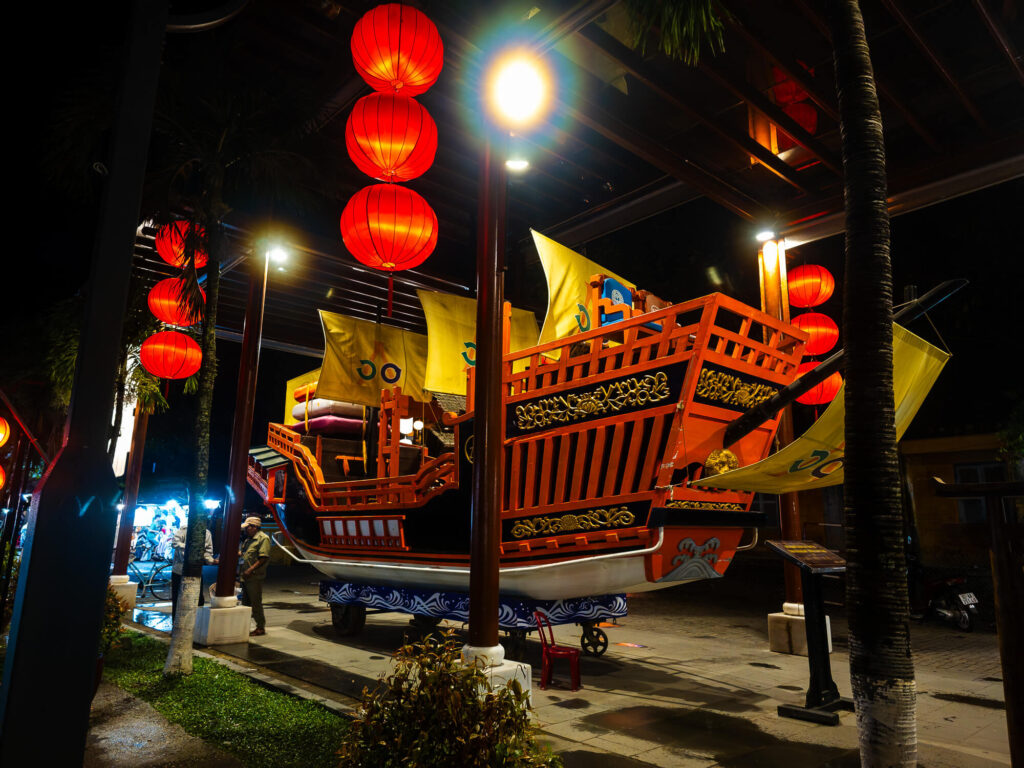
Ancient Town: Central, walkable, close to everything. Best for first-time visitors who want lanterns and cafés within a five-minute walk, though it gets busy and slightly touristy in the evenings.
Cam Chau: A quieter residential area just outside the Ancient Town’s density, good for travelers who want easy access without staying directly in the busiest streets.
Cam An: Closer to the coast, a solid middle ground between beach access and Old Town proximity.
An Bang Beach: A few kilometers from the center, best for anyone who wants mornings by the water and evenings back in town by scooter or bike.
For a first visit, staying in or near the Ancient Town makes the most sense. For anyone staying longer, spreading time between the center and somewhere quieter like An Bang gives a better sense of the full picture.
The Ancient Town Is Much Busier at Night
This is one of those Hoi An travel tips that catches a lot of visitors off guard. The same streets that feel calm and easy to walk through at 9 a.m. become genuinely packed by 7 p.m.
Day vs night atmosphere: Daytime is for wandering, photography, and actually seeing the architecture without a crowd blocking your shot. Night is for lanterns, the river, and the atmosphere Hoi An is famous for, but it comes with tour groups, street vendors, and a much slower walking pace simply because of how many people are moving through the same narrow streets.
Best times for fewer crowds: Early morning, ideally before 8 a.m., is when the Ancient Town is at its quietest.
Best times for photography: Early morning for clean, crowd-free shots of the old buildings. Just after sunset for the lantern atmosphere before the peak evening crowd fully arrives.
Hoi An Is More Than Just the Ancient Town

If there’s one thing to know before visiting Hoi An, it’s that the Ancient Town is only a small part of what the area actually offers.
Cam Kim Island sits just across the river, reachable by bicycle in minutes, and offers quiet villages, farmland, and a boat temple most visitors never hear about.
Khe Tan Reservoir is about an hour away by scooter, a peaceful dam and reservoir with almost none of the crowds you’ll find at more popular day trips nearby.
Rice fields surround the town on nearly every side, offering some of the best and least crowded photo opportunities near Hoi An.
Quiet countryside roads connect all of this, and simply riding without a fixed destination is genuinely one of the best ways to spend a day here.
If you only explore the Ancient Town, you’re seeing a fraction of what Hoi An actually is.
Renting a Bicycle Is the Best Way to Explore
Flat roads throughout the town and surrounding countryside make cycling easy regardless of fitness level. Rentals are cheap, often 50,000 to 90,000 VND per day depending on the shop and how long you rent for.
A bicycle gives you easy access to An Bang Beach, the rice fields, and Cam Kim Island without needing a scooter for shorter distances. It also suits slow travelers particularly well, since cycling forces a slower pace than a scooter, and slowing down is really what makes Hoi An worth spending extra days on.
Carry Cash With You
Small cafés outside the main tourist strip often don’t accept cards. Local restaurants serving the best regional dishes are frequently cash-only. Markets operate almost entirely on cash. River boat rides are paid in cash directly to the operator at the dock. Street food vendors, where some of the best meals in town are found, only take cash.
ATMs are available throughout the Ancient Town, but it’s worth withdrawing enough for a few days at a time rather than relying on finding one exactly when you need it.
A side note – There is one famous ATM in Hoi An. You will always find lots of crowd near here. It is the only one where there are no charges on your card. I would not rely on this entirely as the cash runs out sometimes because of the number of people using this ATM.
Prepare for the Heat and Humidity
Best clothing: Light, breathable fabrics. Loose-fitting clothes handle the humidity far better than anything tight or synthetic.
Sunscreen: Non-negotiable, especially if you’re cycling or riding a scooter for extended periods without much shade.
Staying hydrated: Carry water with you at all times, particularly on countryside rides where shops thin out.
Midday breaks: The hottest stretch of the day, roughly 11 a.m. to 2 p.m., is worth treating as downtime. A café, a slow lunch, or a break back at your accommodation makes the rest of the day far more manageable.
Visit During the Right Season
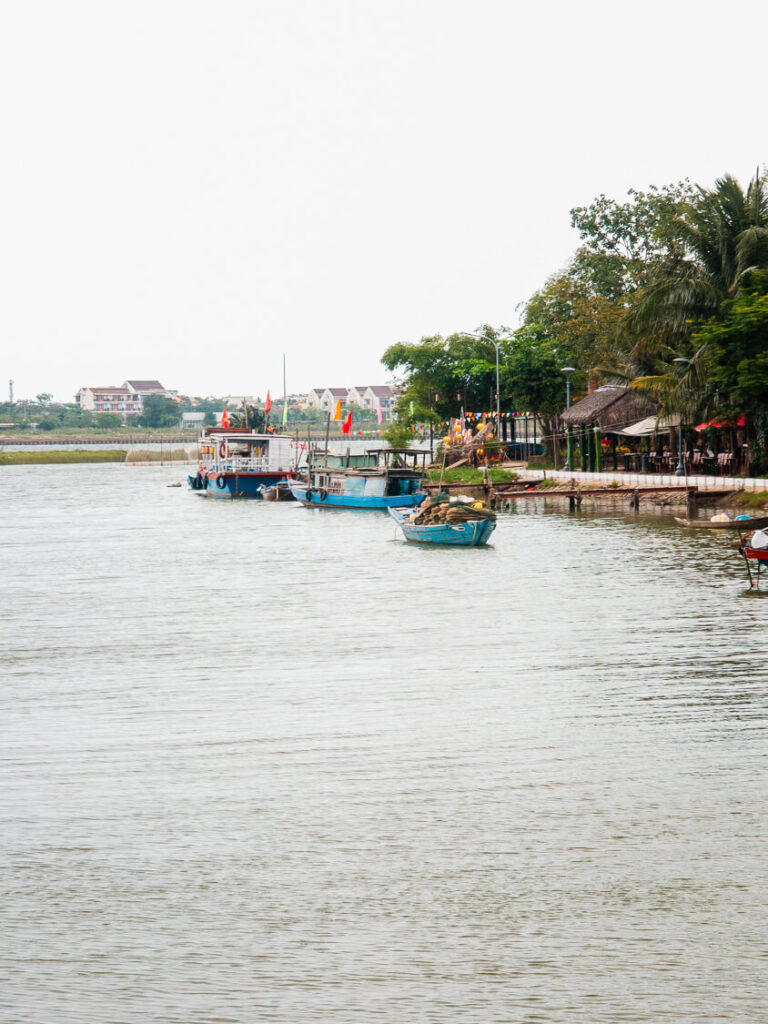
Best months: February through July offer the most reliable dry weather.
Rainy season: October through December brings significantly more rain, with sudden, heavy downpours that can appear with little warning.
Flood season: Late in the year, particularly November, occasionally brings flooding to the lower parts of the Ancient Town. It’s manageable and even has its own strange charm, but worth knowing about before you book.
Summer crowds: June through August brings the heaviest tourist numbers alongside the heat, so expect both higher temperatures and busier streets during this stretch.
Plan Your Tailor-Made Clothing Early
Hoi An’s tailors are one of the town’s biggest draws, but this is one of the most overlooked things to know before visiting Hoi An. Measurements and initial consultations take time, and most garments need at least one fitting before final collection.
Don’t leave it until your last day. A rushed tailoring order with no time for adjustments rarely turns out as well as one planned with a few days of buffer built in. Start the process within your first day or two if a custom outfit is on your list.
Be Prepared for Crowds
Lantern Festival: Held monthly on the 14th day of the lunar calendar, this brings significantly larger crowds than a normal evening.
Evenings: Every night in the Ancient Town is busier than the day, but weekends and festival dates push this further.
Weekends: Local and domestic tourism spikes on Saturdays and Sundays, adding to the usual international visitor numbers.
How to avoid peak times: Visit the Ancient Town early morning for photos and quiet wandering, then return in the early evening rather than the peak of the night for a version of the lantern atmosphere with slightly fewer people.
Don’t Skip the Local Food
Cao Lau, a Hoi An specialty noodle dish found almost nowhere else in Vietnam, is worth prioritizing over anything more generic.
White Rose Dumplings, a delicate steamed dumpling unique to the region, are best found at small family-run spots rather than the larger tourist restaurants.
Mi Quang, a turmeric-colored noodle dish from the wider Quang Nam region, is another local specialty worth seeking out specifically in Hoi An.
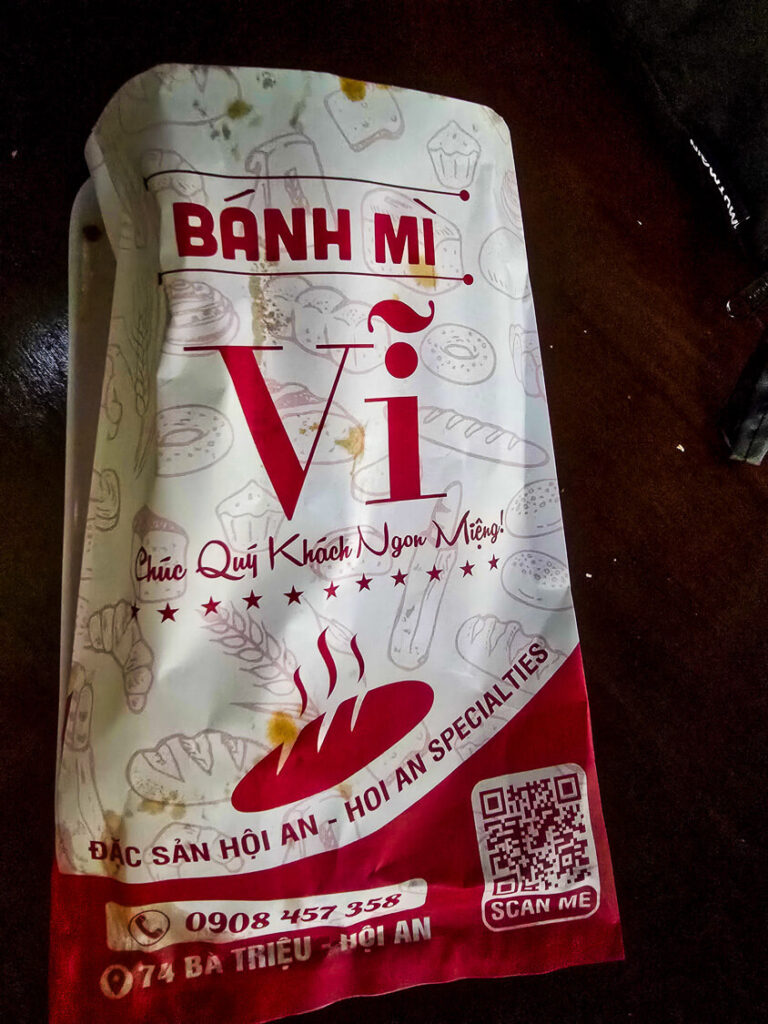
Banh Mi here is consistently excellent and cheap, a reliable option any time of day.
Local coffee, found in the smaller cafés away from the main tourist strip, is generally better and cheaper than what you’ll find in the busier riverside spots.
Slow Down and Enjoy Hoi An

Hoi An isn’t a destination to rush, and rushing it is probably the single biggest mistake first-time visitors make. Spend time at cafés without checking the clock. Walk along the river without a specific destination. Cycle through the countryside simply because the road looks interesting. Enjoy the slower pace of life that the town, and the region around it, is genuinely built for.
My Final Hoi An Travel Tips for First-Time Visitors
After nine days in Hoi An, the thing that surprised me most was how much better the town got the longer I stayed. The first few days felt like every other traveler’s Hoi An: Ancient Town, lanterns, the river at night. Good, but standard.
What I’d do differently if I visited again: start exploring beyond the center sooner. I didn’t rent a bicycle until day four, and everything from Cam Kim Island to the quiet countryside roads only opened up once I did. If I went back, I’d rent one on day one.
What I’d recommend to friends: stay longer than you think you need to, and don’t treat the Ancient Town as the whole trip. The version of Hoi An most travelers experience is only the surface. The version I remember most, a boat temple on a quiet island, an empty reservoir outside town, rainy countryside roads with nobody else around, only showed up once I stopped rushing.
FAQ: More Hoi An Travel Tips for First-Time Visitors
How many days do you need in Hoi An?
Three days covers the essentials. For genuinely exploring beyond the Ancient Town, four to five days is a better minimum, and anything up to nine or ten lets the surrounding countryside properly open up.
What’s the best time to visit Hoi An?
February through July for the most reliable dry weather. Avoid October through December if you want to minimize rain and the risk of flooding in the Ancient Town.
Is Hoi An expensive?
No, particularly outside the Old Town’s more tourist-facing restaurants. Local food, bicycle rentals, and budget accommodation all remain affordable, and costs generally drop the longer you stay as you settle into cheaper local spots.
Should I stay in Da Nang or Hoi An?
For most travelers, Hoi An itself. It’s smaller, quieter, more walkable, and puts you directly in the atmosphere most people come to Vietnam’s central coast for. Da Nang makes more sense if you specifically want a bigger city base with easier airport access.
Is Hoi An walkable?
The Ancient Town itself is very walkable and pedestrian-only in the evenings. Beyond the Old Town, a bicycle or scooter becomes necessary to reach the beach, rice fields, and surrounding islands.
Is renting a bicycle worth it?
Yes, without much hesitation. It’s cheap, suits the flat roads throughout the area, and is genuinely the best way to reach the quieter and more memorable parts of Hoi An beyond the Ancient Town.
Planning Your Vietnam Trip?
If you’re building a bigger Vietnam itinerary, here’s what else I’ve written:
Hoi An Travel Guide for Slow Travelers 2026: Beyond the Lanterns
Hidden Places in Hoi An: 5 Spots Beyond the Old Town
Cam Kim Island Guide 2026: Hoi An’s Quiet Countryside Escape
