Skip the 2-day tourist rush. This Hoi An travel guide for slow travelers helps you find quiet rice paddies, Khe Tan reservoir, and a genuine, slower pace.(CLICK HERE)
Table of Contents
Most people spend one or two days in Hoi An before moving on to their next destination.
I stayed for nine.
That extra time completely changed how I experienced the city. Beyond the lantern-lit streets and popular attractions, I found quiet mornings, rice fields on the edge of town, a reservoir nobody talks about, and a slower rhythm of life that most visitors never get close to.
This Hoi An travel guide for slow travelers covers everything you need to plan your visit while showing you why spending a little longer here is worth it.
How to Get to Hoi An
Hoi An doesn’t have its own airport or train station, so getting here always involves a transfer from somewhere else. The two most common routes are Da Nang Airport, about 30 minutes away, and overland from Hue, which crosses the Hai Van Pass.
How to Get from Da Nang Airport to Hoi An (2026 Prices & Tips)
Hue to Hoi An Transport Guide 2026: The Fastest, Cheapest and Most Scenic Ways to Travel
Both routes are covered in full detail in the guides above, including costs, timings, and which option makes sense for different budgets.
Essential Logistics for an Extended Stay in Hoi An

Best time to visit: February to July is the driest stretch. October to December brings heavier rain and occasional flooding in the Old Town, though even that has its own strange charm if you’re prepared for it.
How many days to stay: Most guides say two to three days is enough. I’d argue four is the minimum if you actually want to get past the surface. Nine, which is what I ended up doing, let the city fully unfold.
General atmosphere: Calmer than Hanoi. More polished than Hue. Hoi An’s Old Town is pedestrian-only in the evenings, which gives it a rare stillness for a Vietnamese town center. Outside the Old Town, the pace drops even further into rice paddies, fishing villages, and quiet river roads.
What makes Hoi An unique: It’s one of the few places in Vietnam that feels curated without feeling fake. The lanterns, the tailors, the riverside cafés, all of it is genuinely beautiful. But the town rewards you even more once you get outside that curated core, which is really the whole point of this Hoi An travel guide for slow travelers.
Why it’s ideal for slow travel: Hoi An is small enough to know within a few days and layered enough to keep giving you new things for weeks. Cycling distance puts you in fishing villages, rice fields, and neighboring islands that most travelers never see because they’re gone by day three.
Where to Stay in Hoi An to Avoid the Crowds
Old Town: Central, walkable, close to everything. Best for short stays where you want lanterns and cafés within a five-minute walk. Gets busy and slightly touristy in the evenings.
An Bang Beach: A few kilometers from the Old Town. Quieter, more relaxed, with a beach town feel. Good if you want mornings by the water and evenings back in the Old Town by scooter or bike.
Rice field homestays: On the outskirts, surrounded by paddies and quiet roads. The most peaceful option and the one that puts you closest to the slower side of Hoi An this guide focuses on.
Budget vs boutique: Hoi An has both extremes well covered. Hostels in the Old Town run cheap and social. Boutique guesthouses near An Bang or the rice fields cost more but come with a very different pace of morning, and a much better shot at avoiding the crowds that gather in the center after breakfast.
Getting Around: The Best Paces for Exploring Central Vietnam
Walking: Fine for the Old Town itself. You don’t need anything else to explore the lantern streets, the market, and the riverside.
Bicycle: One of the best ways to experience the area around Hoi An. Flat roads, short distances, and a pace that matches the town itself. Renting one for a couple of days let me reach fishing villages and a neighboring island without ever feeling rushed.
Scooter: Necessary once you want to go further out. My Son Sanctuary, Khe Tan reservoir, and other out-of-town spots are all a scooter ride away and not realistic by bicycle if you want to cover them in a day.
Grab: Works fine within town for short hops but isn’t necessary if you have a bike or scooter for the length of your stay.
Must-Do things to do in Hoi An Trip
Wander the Ancient Town Before the Tour Buses

The obvious starting point, and still worth it. Yellow facades, old merchant houses, narrow streets that don’t follow any particular logic. Go early before the tour groups arrive and the town feels almost like a different place.
Photograph the Japanese Covered Bridge
Chua Cau, the small 16th-century bridge with a temple built into it, is the most photographed spot in Hoi An for a reason. It’s small, genuinely old, and worth the five minutes even with the crowds.
Experience the Lantern-Lit Streets at Night
This is the Hoi An most people picture before they arrive, and it does live up to it. Lanterns hung along the river, boats drifting past with paper lanterns on the water, the whole Old Town lit up in warm colors after dark.
Escape to An Bang Beach
A short ride from the center. Less developed than beaches further south, with a row of beach bars and restaurants that feel more local than resort-driven. Good for an afternoon away from the Old Town’s density.
Cycle the Outskirts and Rice Fields
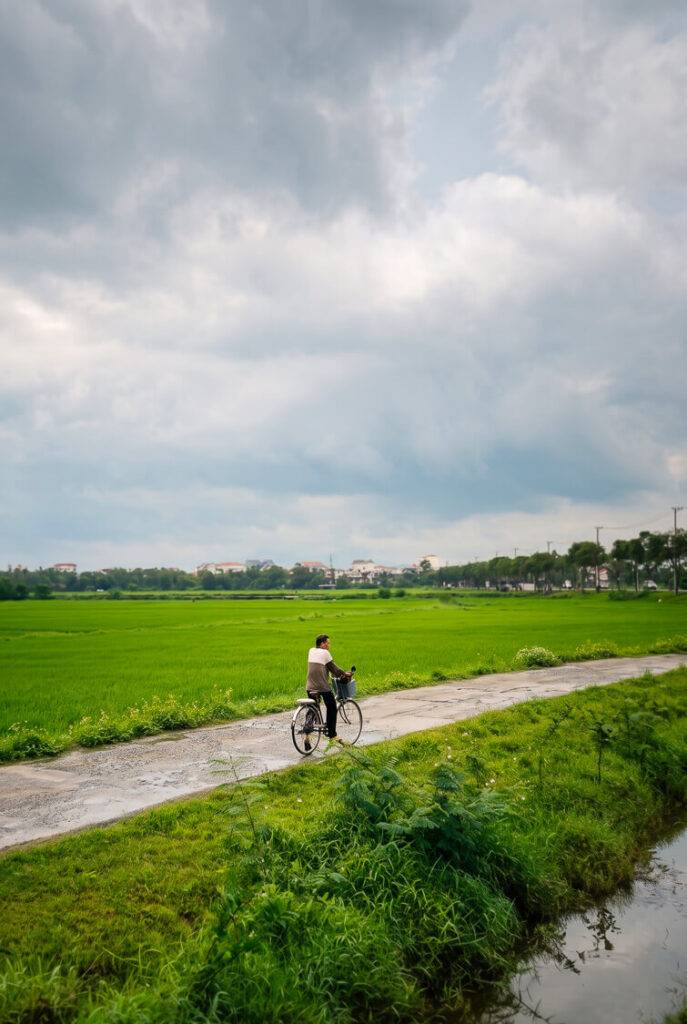
The paddies just outside town are some of the most underrated scenery in Hoi An. Quiet roads, water buffalo, farmers working the fields. This is also where my own trip went further than most guides suggest. Two of my nine days were spent entirely on a rented bicycle, riding out toward Cam Kim Island and its fishing villages, a route covered in more detail later in this guide.
Settle into the Local Café Culture
Hoi An has a strong café culture, and the good ones aren’t always in the Old Town. Some of my favorite mornings were spent at cafés a short ride away from the center, with fewer tourists and better coffee.
Ride Out to Somewhere Quieter Than My Son
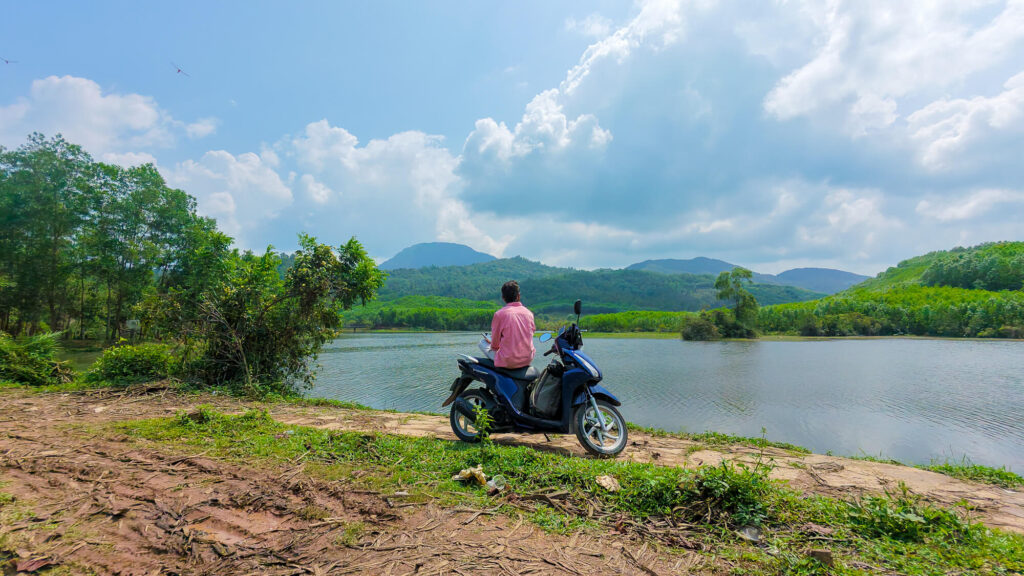
Most itineraries send you to My Son Sanctuary, and it’s worth mentioning even though I ended up skipping it. If ancient ruins with fewer crowds appeal to you more than a well-trodden UNESCO site, an out-of-town reservoir called Khe Tan became the actual highlight of my stay. Full story further down.
The Anti-Rush 3-Day Hoi An Itinerary
Day 1: Ancient Town and evening lanterns. Walk the Old Town in the morning before crowds build. Visit the Japanese Covered Bridge. Return in the evening for the lantern-lit streets and the river at night.
Day 2: Beach and rice fields. Morning at An Bang Beach. Afternoon cycling through the rice paddies on the edge of town.
Day 3: Cafés, local neighborhoods, and slower exploration. No fixed plan. Find a café you like. Wander streets you haven’t been on yet. Let the day move at its own pace.
Diary of a 9-Day Stay: Finding the Hidden Corners of Hoi An

The first three days looked like everyone else’s Hoi An. Walking around the Old Town. Sitting by the river. Watching the boat lanterns drift past in the evening. Good, but standard. The version of Hoi An you’d get from any three-day itinerary.
Then I rented a bicycle for two days and a scooter for two more. That’s when the trip actually opened up, and when this Hoi An travel guide for slow travelers really starts to differ from the standard version.
Cycling Through the Villages of Cam Kim Island
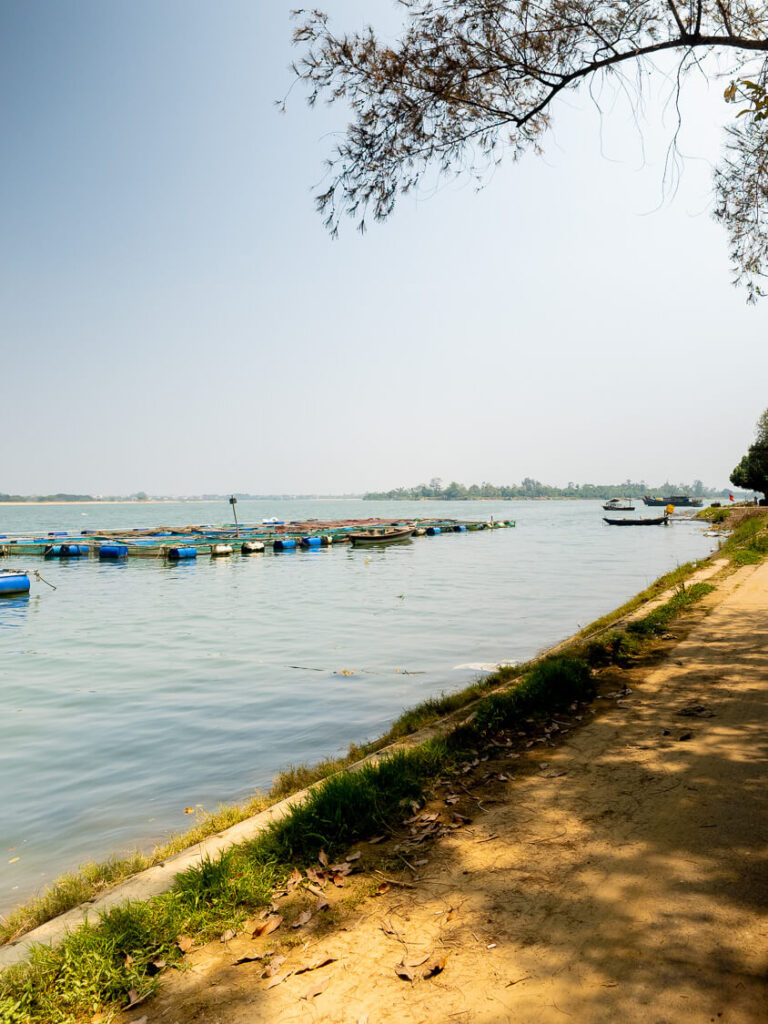
On my two bicycle days, I rode out toward Cam Kim Island, also known locally as Duy Vinh or Kim Bong Island, just across the river from the Old Town. It’s home to old carpentry villages and a much slower version of daily life than anything inside Hoi An itself.

I cycled the length of the island and through its fishing villages, and one of the standout moments was finding a small boat temple tucked into one of the villages. It’s a modest shrine built specifically to bless fishing boats and protect those who sail out on them, the kind of local structure that exists for the community rather than for visitors.
No ticket booth, no signage in English, no other tourists around when I found it. Just a quiet wooden structure with incense still burning and small offerings left by local fishing families. It’s the kind of place you stumble onto rather than plan for, and it ended up being one of the most memorable stops of my entire time in Hoi An.
I also crossed an interesting connecting bridge between the two islands called Cầu máng Duy Phước, a narrow structure that felt like it was built for locals rather than tourists, which it clearly was.
It rained a lot on both of these days. Heavy, sudden Vietnamese rain that soaked through everything within minutes. I kept cycling anyway. There’s something genuinely fun about riding through rice paddies and fishing villages in the rain with nowhere you need to be and nobody expecting you.
Skipping My Son Sanctuary for the Quiet of Khe Tan Reservoir
On my scooter days, I first rode out to My Son Sanctuary, the ancient Cham temple ruins that show up in every Hoi An guide. It was packed. Tour buses, crowds moving through narrow temple paths in single file, very little of the quiet that makes ancient ruins interesting in the first place. I looked around for a few minutes and decided it wasn’t worth fighting the crowds for.
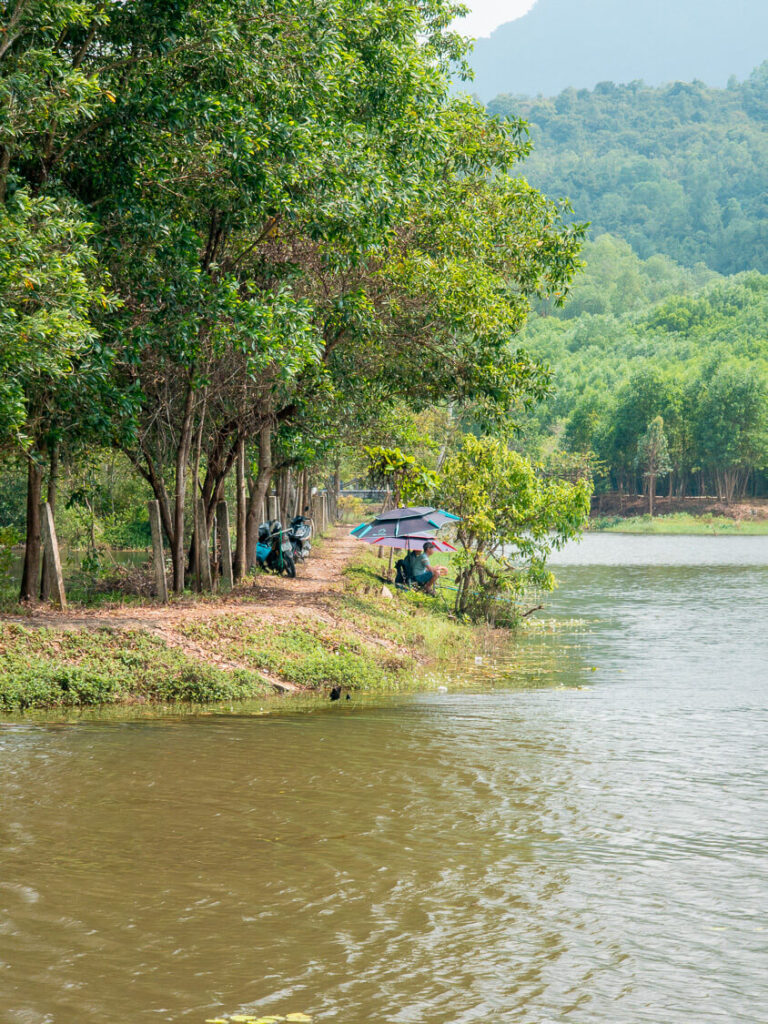
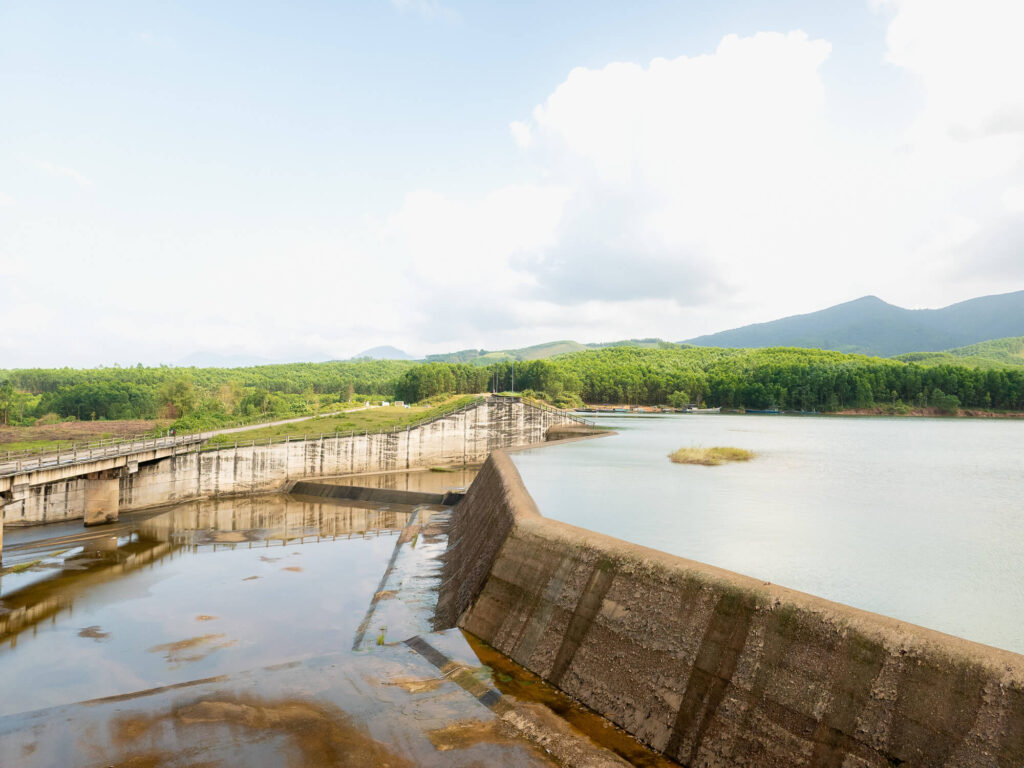
Instead, I rode to a place called Khu Du Lịch Sinh Thái Khe Tân, an out-of-town eco spot built around a large dam and reservoir. This ended up being the highlight of my entire 9 days in Hoi An.
It was quiet. Genuinely peaceful in a way My Son couldn’t have been even without the crowds. Still water stretching out toward green hills. Almost nobody else around. I sat there for a long stretch of the afternoon doing very little, which was exactly the point.
The second scooter day had no destination at all. I just rode. Stopped where things looked interesting. Turned down roads I hadn’t been on. This is one of my favorite ways to travel, and Hoi An’s surrounding countryside is genuinely well suited to it.
The last two days of my stay also brought some genuinely interesting, and at times sad, moments at my hostel. Stories worth telling properly on their own, so I’ll save that for another article.
Practical Tips for First-Time Visitors
Stay at least 3 days. Anything less and you’ll only get the Old Town and none of what surrounds it.
Explore early in the morning. The Old Town before 8 a.m. is a completely different place than the Old Town at midday.
Rent a bicycle. It’s the single best way to understand what’s actually around Hoi An beyond the lantern streets.
Don’t spend all your time in the Old Town. The rice fields, the islands, and the out-of-town spots like Khe Tan are where the more memorable experiences tend to happen.
Slow down and enjoy the atmosphere. Hoi An isn’t a checklist city. It rewards people who let a day happen rather than plan every hour of it.
Is Hoi An worth visiting?
Yes, without much hesitation.
Who will love Hoi An: Slow travelers, photographers, people who enjoy cycling, anyone who likes a town that’s beautiful without needing to be constantly entertained.
Who may prefer another destination: Travelers who want nightlife, high-energy cities, or constant sightseeing may find Hoi An too quiet after a couple of days.
Is it worth staying longer: Genuinely, yes. The version of Hoi An you get on day one is good. The version you get on day seven, once you’ve found your café, your cycling routes, and your quiet reservoir nobody else knows about, is better.
My honest opinion after 9 days: Hoi An earns its reputation for the lanterns and the Old Town, but that’s not what stayed with me. What stayed with me was a rainy bike ride to an island most tourists never visit, a small boat temple with incense still burning, and an afternoon by a dam that wasn’t in any guide I’d read.
Frequently Asked Questions About Visiting Hoi An
How many days do you actually need in Hoi An?
Three days covers the essentials, the Old Town, the beach, and a short cycle through the rice fields. For the kind of slow travel this Hoi An travel guide for slow travelers describes, four to five days is a better minimum, and anything up to nine or ten lets the surrounding countryside properly open up.
Is Hoi An expensive for long-term travelers?
No, particularly outside the Old Town’s more tourist-facing restaurants. Local food, bicycle rentals, and budget accommodation all remain affordable. Costs rise if you stick exclusively to Old Town restaurants and boutique stays, but a longer stay generally lowers your daily average as you settle into cheaper local spots.
When is the best time of year to visit?
February to July for the driest, most reliable weather. October to December brings heavier rain and occasional flooding in low-lying parts of the Old Town, though the town still functions and has its own atmosphere during this period.
Is the town easily walkable?
The Old Town itself is very walkable and pedestrian-only in the evenings. Beyond the Old Town, a bicycle or scooter becomes necessary to reach the beach, rice fields, and surrounding islands.
More Resources for Planning Your Vietnam Trip
If you’re building a bigger Vietnam itinerary, here’s what else I’ve written:
How to Get from Da Nang Airport to Hoi An (2026 Prices & Tips)
Hue to Hoi An Transport Guide 2026: The Fastest, Cheapest and Most Scenic Ways to Travel
Vietnam Travel Budget: Exactly How Much I Spent in 50 Days
Vietnam Sleeper Bus Tips 2026: Things I Wish I Knew Before My First Ride