Don’t let heavy rain ruin your trip. Discover the best time to visit Bali with this 12-month guide covering weather, surfing, prices, and crowds. (CLICK HERE)
Table of Contents
The best time to visit Bali depends on what you want from your trip, because Bali is a year-round destination and the experience changes a lot from month to month. Some months bring clear skies, sunshine and calmer seas. Others bring heavy rain, humidity and very green landscapes.
I’ve spent a lot of time on the island. I once stayed six months, from December to May, on another trip I stayed three months, from June to August, and I’ve also been there in November. So I’ve lived through the wet season, the dry season and the stretch where one turns into the other. Everything I say about the weather, the crowds and what to do in each month comes from that time on the ground. The two exceptions are September and October, which I haven’t spent in Bali, so for those months I’ve leaned on climate records and I’ll say so when I get there.
What decides the best time to visit Bali for you?
- Weather and rainfall
- Dry and rainy seasons
- Crowds and tourist activity
- Accommodation and flight prices
- Beach and water conditions
- Outdoor activities
- Festivals and cultural celebrations
Someone after sunny beach days will probably prefer the dry season. Someone who loves lush rice terraces and strong waterfalls might enjoy the wet one. Budget travelers often like the quieter months, and surfers will want different parts of the island at different times of year. I’m not going to name one perfect month up front, because there isn’t one. This guide goes through all twelve, and for each month I’ve picked a place that works well then, so you can match the month to somewhere worth going.
Best Time to Visit Bali: Understanding the Weather and Seasons
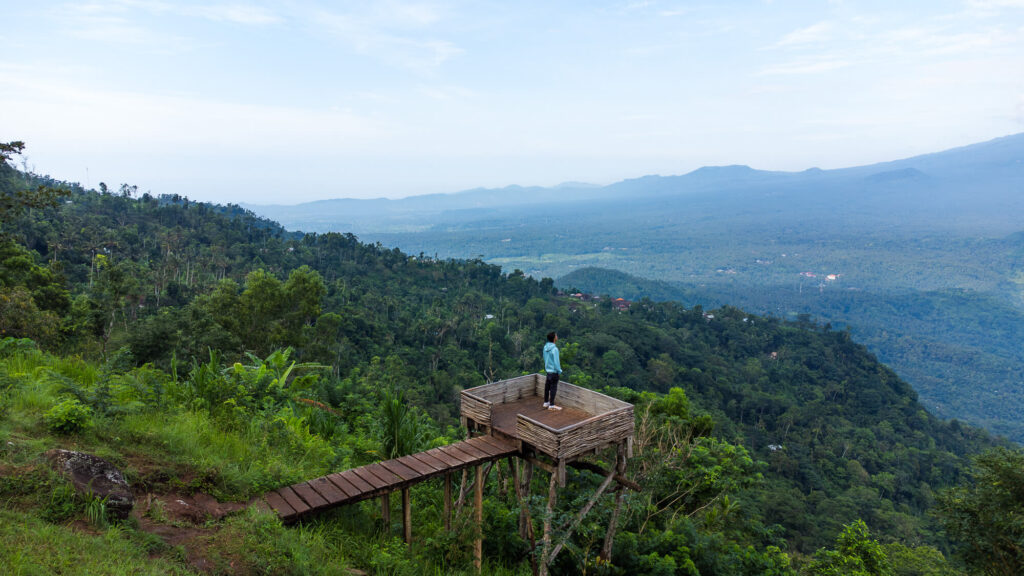
Bali is tropical, so temperatures stay warm all year. What changes more noticeably is rainfall and humidity.
Bali’s Dry Season (April to October)
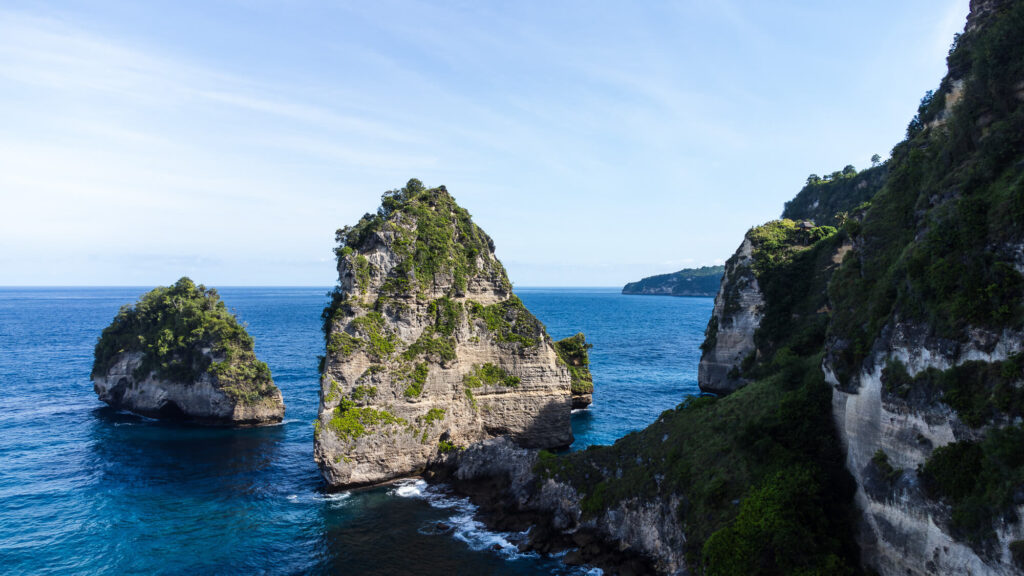
The Bali dry season runs roughly from April to October. You get less rain, more consistent sunshine, generally lower humidity, warm temperatures and better conditions for exploring outdoors, from beaches to sightseeing. Seas are generally calmer for island crossings too, though you should still check conditions on the day. July and August are especially popular, which is why they’re also the busiest.
The dry season is the usual pick for travelers who want to spend most of their time outside. It suits places like Uluwatu, Canggu, Ubud, Nusa Penida and Amed. Don’t expect every day to be sunny, though, and don’t assume every coast has identical weather.
Bali’s Rainy Season (November to March)
The Bali rainy season runs roughly from November to March. It brings higher rainfall, more humidity, heavy showers that often arrive in the afternoon or evening, greener landscapes, lush rice terraces and waterfalls with stronger flow. The sea can be rougher, which can disrupt boat crossings, and there are generally fewer tourists outside the major holidays.
Rainy season doesn’t mean it rains all day. You can still get clear mornings and stretches of sunshine. The trade-off is simple: you get green scenery and quieter places, but you need to be flexible about outdoor plans. Bali is far from impossible to explore in the wet season.
Transition Months (March, April and October)
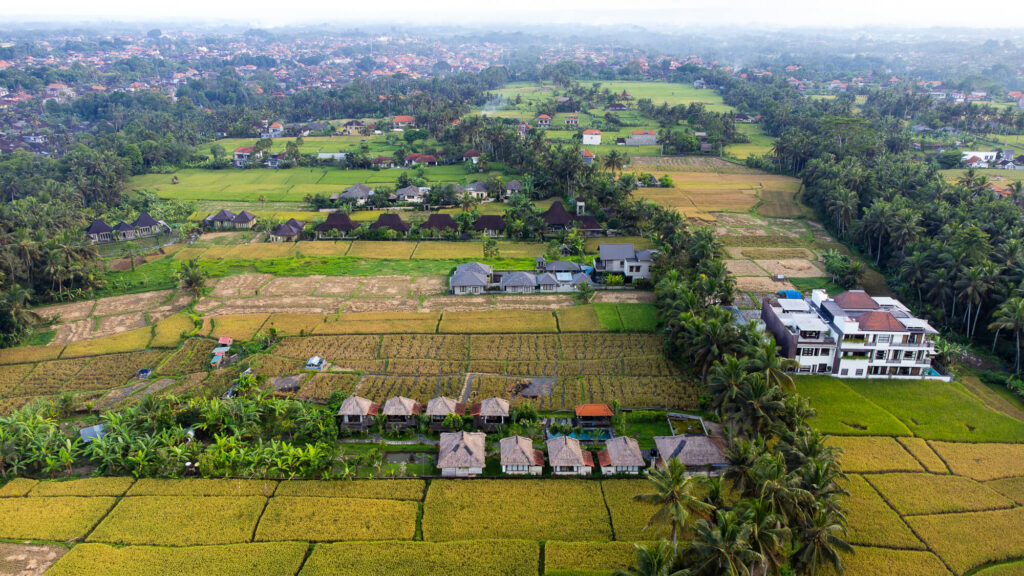
The switch between seasons doesn’t happen on a fixed date. Rainfall eases through March and April, conditions get drier, and occasional showers come back around October and November. The weather can differ from one week to the next. These months can offer a good balance of weather and crowds, which makes them attractive if you want to avoid the busiest periods.
Bali Weather by Month: A Quick Comparison
Here’s the general picture. It’s a comparison, not a forecast.
| Month | Weather | Rainfall trend | Crowds |
|---|---|---|---|
| January | Wet and humid | Very high | Lower outside New Year |
| February | Wet and humid | Very high | Generally quieter |
| March | Late rainy season | High, gradually easing | Moderate |
| April | Transition to dry | Decreasing | Moderate |
| May | Mostly dry | Low | Moderate |
| June | Dry and pleasant | Low | Increasing |
| July | Dry and sunny | Very low | Very high |
| August | Dry and sunny | Very low | Very high |
| September | Dry and pleasant | Low | Moderate |
| October | Mostly dry, transitioning | Increasing gradually | Moderate |
| November | Rainy season begins | Increasing | Lower |
| December | Wet and humid | Very high | High around Christmas and New Year |
Crowds and prices shift around school holidays and public holidays, so use this as a general guide.
Best Time to Visit Bali: Month-by-Month Guide
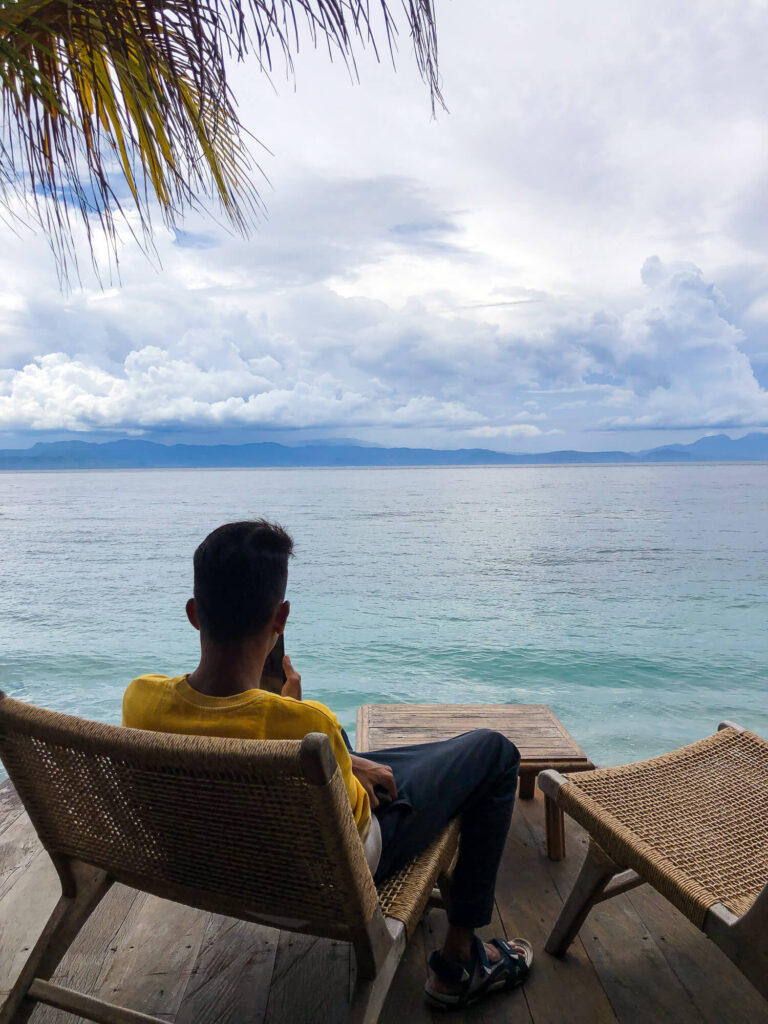
Here’s each month in turn. For every one I’ve named a different place that’s a good option then, so by the end you’ll have twelve places to choose from.
January in Bali
January is the middle of the rainy season, and it’s the wettest month of the year. Expect high humidity, warm days, very green landscapes and a sea that can be rough. Crowds thin out after the New Year holiday period, so accommodation is easier to find outside peak dates.
- Advantages: green rice terraces, strong waterfalls, potentially lower accommodation costs, a quieter feel in many places.
- Disadvantages: heavy showers, unpredictable outdoor plans, possible disruption to boat journeys, wet and slippery walking routes.
- Good option this month: Kanto Lampo Waterfall, where the extra rain means plenty of flow. Go early and watch your footing on wet rock.
January suits budget-minded travelers and waterfall lovers who can handle rain. If you want guaranteed beach days, pick another month.
February in Bali
February is still rainy season. It’s humid and warm, the countryside is green, and tourist numbers are generally lower with softer prices outside holiday periods. Chinese New Year can shift visitor numbers and prices in some years.
It’s a good month for temples and cultural attractions, café time and waterfalls when the rain eases. The downside is the same as January: you’ll lose some outdoor time to showers.
- Good option this month: Ubud. There’s plenty to do when it rains, from cafés to temples and cultural sights, and the surrounding countryside is at its greenest.
March in Bali
March is usually the tail end of the rainy season, though the weather can still be unpredictable. The rain begins to ease, conditions stay humid, you can still get heavy showers, and the landscapes remain green. Visitor numbers are moderate.
March is also when the Ogoh-Ogoh Parade and Nyepi usually happen, depending on the Balinese Saka calendar. The parade takes place on the evening before Nyepi, and Nyepi is the Balinese Day of Silence. They can seriously affect travel plans, and the dates change every year. For example, Nyepi fell on 19 March in 2026 and falls on 9 March in 2027. I cover both in the festivals section below.
- Advantages: easing rain, green scenery, a chance to see Ogoh-Ogoh and Nyepi.
- Disadvantages: still-possible heavy showers, and disruption around Nyepi.
- Good option this month: Tegallalang Rice Terraces, still green after the wet months and easier to enjoy as the rain eases.
April in Bali
April is the transition into dry season. Rainfall drops sharply, sunshine increases, temperatures stay warm, and the landscapes are fresh and green after the wet months. Conditions for outdoor activities improve and tourist crowds are moderate.
That makes April a good compromise if you want decent weather without peak-season crowds. Easter and school holidays can affect availability and prices in some years.
- Good option this month: Nyang Nyang Beach, on the Bukit Peninsula near Uluwatu. The rain has eased, the walk down is drier, and it’s still shoulder season, so it’s quieter than the main southern beaches. Bring water and sun protection, and check the sea before you swim.
May in Bali
May is one of the strongest months for a balanced Bali holiday. It’s mostly dry, comfortable for exploring outdoors, warm, and generally less crowded than July and August, with more manageable accommodation prices.
It works for beaches, Ubud, temples, waterfalls, snorkeling and hiking. It’s also an excellent month if you want to combine several parts of Bali in one trip.
- Good option this month: Nusa Penida, including a visit to Tembeling. The weather is good, and the boat crossing is usually easier than in the wet months, though you should still check conditions.
June in Bali
June is generally a reliable dry-season month. It’s sunny with low rainfall and comfortable temperatures. It’s good for outdoor exploration, but tourist numbers and accommodation demand rise toward the end of the month.
The Bali Arts Festival usually runs around June and July. In 2026 it ran from 13 June to 11 July in Denpasar. Dates and programming change every year.
June works well for beach holidays, sightseeing, volcano hikes, snorkeling and diving, and exploring different regions.
- Good option this month: Amed, where the dry weather suits snorkeling and diving and the coast is quieter than the south.
July in Bali
July is peak dry season and one of the busiest months. Rainfall is very low, there’s plenty of sunshine, daytimes are warm and evenings feel slightly cooler. The trade-offs are high tourist numbers, higher accommodation and flight prices, and busy beaches, cafés and attractions.
It suits beaches, surfing, volcano hikes, boat journeys to the Nusa Islands and outdoor sightseeing. School-holiday demand, especially from Australia and Europe, adds to the rush, so book accommodation and flights in advance.
- Advantages: reliable weather, great conditions for almost any outdoor plan.
- Disadvantages: crowds and higher prices.
- Good option this month: Uluwatu. July’s dry weather brings the biggest swells of the year and long clifftop sunsets. It gets busy, so book ahead and go early.
August in Bali
August is usually the driest month and one of the busiest. The conditions are consistently dry, days are warm and evenings are relatively cooler. Tourist areas are busy and accommodation and flight prices are among the highest of the year.
It’s a great month for beaches, surfing, diving, snorkeling, Mount Batur hikes, Nusa Penida excursions and general outdoor exploring. It isn’t the best pick if you want fewer crowds or lower prices.
- Good option this month: Kuta. The dry weather suits long beach days and beginner-friendly surf, and the lively streets are at their busiest, so it’s the one for travelers who want energy over peace.
September in Bali
I haven’t spent September in Bali, so this one is based on climate data, not my own stay.
September looks like another excellent balanced month. Dry-season conditions continue with low rainfall, warm temperatures and good outdoor conditions. Crowds are smaller than in July and August and accommodation demand starts to ease.
It suits beaches, exploring different regions, snorkeling and diving, hiking, island excursions and countryside trips. It’s especially appealing if you want most of the dry-season weather without the peak-season rush.
- Good option this month: Tirta Gangga. Settled dry weather makes East Bali’s water gardens and countryside easy to enjoy, with fewer people than in peak season.
October in Bali
I haven’t spent October in Bali either, so again I’m going by climate data.
October sits at the end of the dry season and gradually shifts toward the rainy season. It’s generally warm and mostly dry, especially early in the month, with occasional showers as the month goes on. Tourist numbers are moderate and accommodation can offer better value than July and August.
It suits beach visits, inland areas, cultural attractions, outdoor sightseeing and surfing, depending on the coast. Stay flexible, because rain can become more frequent toward the end of the month.
- Good option this month: Canggu. It’s a good shoulder-season pick for beach days, surf and cafés, with fewer crowds than in July and August.
November in Bali
November is generally when the rainy season starts. Rainfall rises noticeably, humidity climbs, and it’s the hottest month of the year. You can get occasional heavy showers, but the landscape turns green and many areas are less crowded, with lower accommodation prices than in peak dry season.
- Advantages: fewer people at attractions, potentially better accommodation deals, lush scenery, a good chance to explore culture.
- Disadvantages: more unpredictable outdoor conditions, possible boat disruption, rain affecting beach plans, slippery trails.
- Good option this month: Nusa Dua. It’s a resort area with good facilities and calmer surroundings, which makes it easy to work around the rain, and it’s quieter than in peak season.
November can still be a good month if you’re flexible and happy to trade perfect weather for quieter places and lower costs.
December in Bali
December is within the rainy season, but it also includes one of Bali’s busiest holiday periods. Rainfall is high, humidity is high, temperatures are warm, the landscapes are lush and the sea can be rough.
The month really splits in two:
- Early December can be quieter and less expensive.
- Christmas and New Year bring a big jump in demand and prices.
So don’t treat December as one block of peak season. If you want a quieter trip, aim for early December. If you want festive energy and nightlife, the holiday period delivers, as long as you book well ahead and accept the rain.
- Good option this month: Seminyak. Its restaurants, beach clubs and nightlife suit festive plans, and there are plenty of indoor options when it rains. Book well ahead around Christmas and New Year.
When Is the Best Time to Visit Bali for Different Activities?
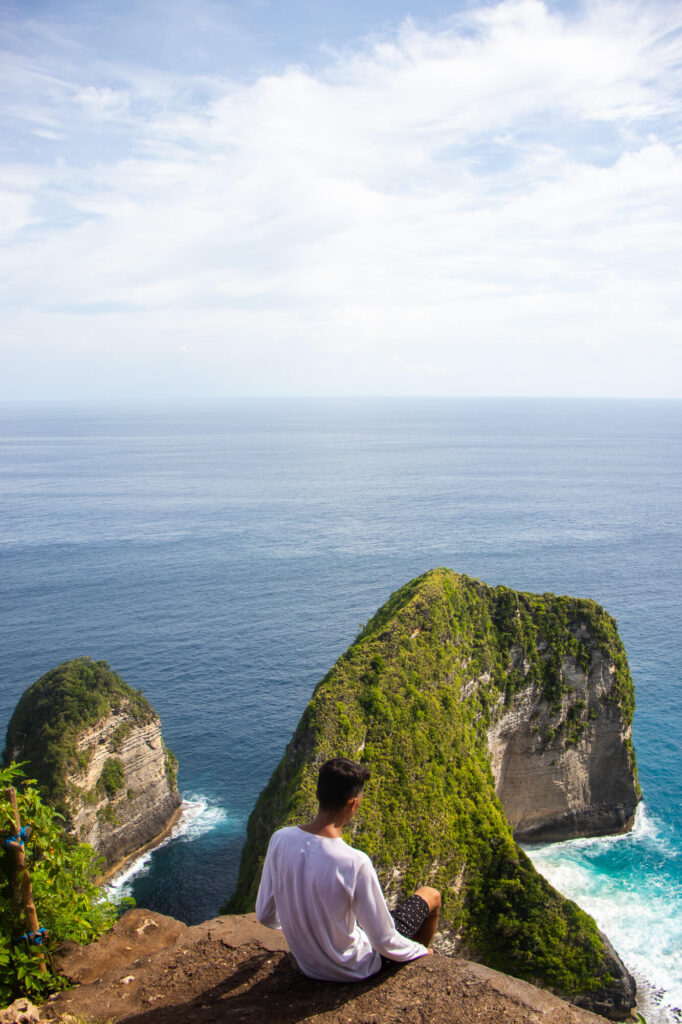
The best month also depends on what you want to do. The weather that suits a beach holiday isn’t always what you want for waterfalls, hiking or surfing.
Best Time for Beaches and Swimming
The dry season gives you the most sunshine and the best conditions for swimming and water activities, with better visibility in the water. The west and east coasts behave differently, so don’t assume the same conditions everywhere. Whatever the month, check sea conditions before you swim.
Best Time for Surfing in Bali
Surf seasons differ between Bali’s west and east coasts.
- Dry season (roughly April to October): the southeast trade winds favor west-coast breaks like Uluwatu, and Canggu and Kuta also pick up. Swell is biggest around July.
- Wet season (roughly November to March): winds turn more variable and some west-coast spots can get blown out, so east-coast breaks like Keramas can be better, especially in the morning. Sanur’s reef breaks are another east-side option I’ve only researched.
Wind, tides and swell matter as much as the month. Mornings are generally cleaner, and different breaks work best at different tides. Don’t assume the whole island has the same surf.
Best Time for Snorkeling and Diving
Dry-season sea conditions and visibility are generally better at Amed and Nusa Penida, and boat crossings are usually smoother. Conditions can differ between dive sites, and no month guarantees a particular wildlife sighting.
Best Time for Hiking and Volcano Treks
The dry season is best for hikes like Mount Batur and Mount Agung, with clearer sunrise views and drier trails. Trails get slippery during rainy periods, and weather or local rules can restrict access. Start early and check current local conditions before you go.
Best Time for Waterfalls and Rice Terraces
Waterfalls flow strongest during and after the wet season, and rice terraces are greenest then too, including around Tegallalang. The catch is that the lushest scenery doesn’t always come with the most comfortable sightseeing, because trails get slippery and rain can be heavy. Rice-growing cycles vary, so what the terraces look like in any given month can change.
Bali’s Tourist Seasons: Crowds and Travel Costs
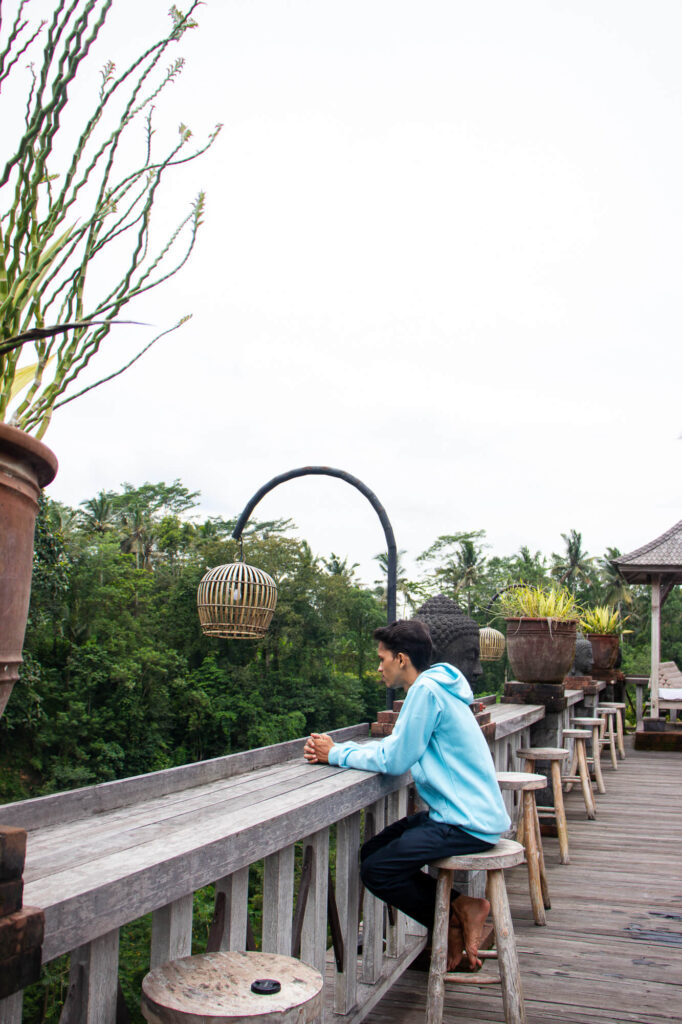
Weather is only part of choosing when to go. Tourist demand affects accommodation prices, flight fares, restaurant availability and traffic. I’m not giving fixed prices here, since those belong in a separate budget guide.
Peak Season in Bali
Peak season covers July and August, Christmas and New Year, and school holidays. Expect busy tourist areas, higher accommodation prices and strong flight demand, so book ahead.
Shoulder Season in Bali
April, May, June, September and October make up the shoulder season. They can offer a good balance of weather, crowds and accommodation prices.
Low Season in Bali
Low season is the wetter stretch: January and February outside major holidays, plus November and early December. You’ll often find lower accommodation demand, potential discounts and less crowded attractions. Lower prices aren’t guaranteed, though, because festivals and public holidays can push demand up.
Festivals and Important Events to Consider When Visiting Bali
Bali has a rich cultural calendar, and visiting during a major celebration can give you a very different view of the island. Dates for most of these follow the Balinese calendars, so they move every year.
Ogoh-Ogoh Parade – The Celebration Before Nyepi
The Ogoh-Ogoh Parade takes place on Pengerupukan, the evening before Nyepi. Ogoh-Ogoh are huge statues, usually of demonic figures, that represent Bhuta Kala and negative forces. Local communities build them over weeks, and on the night they’re carried through the village streets in noisy processions with music, crowds and performances. According to local customs the effigies are then destroyed or disposed of, symbolically clearing the way for Nyepi the next day.
I attended the Ogoh-Ogoh Parade in Ubud, and it’s one of the cultural highlights of my time there. It’s a very different experience from the island’s quiet, scenic side: loud, crowded and full of local participation.
- The date changes every year. It isn’t always in March. For example, the evening before Nyepi was 18 March in 2026 and will be 8 March in 2027. Check the date for your year.
- Parades vary by village and community, so what you see depends on where you are.
Nyepi – The Balinese Day of Silence
Nyepi is the Balinese Saka New Year and a 24-hour day of silence, reflection and spiritual purification. Movement and outdoor activity are restricted, Bali’s airport closes, and visitors need to stay inside their accommodation. The whole island goes quiet, which is a striking contrast with the noise of the Ogoh-Ogoh the night before.
Plan your accommodation, food and flights around it. The date changes every year with the Saka calendar. It was 19 March in 2026 and is 9 March in 2027.
Galungan and Kuningan
Galungan is an important Balinese Hindu holiday, followed ten days later by Kuningan. You’ll see tall decorated bamboo poles called penjor along the streets, along with temple visits and family celebrations. The dates follow the Balinese calendar, which repeats about every 210 days, so they move around the year. In 2026 Galungan was on 17 June and Kuningan on 27 June. It’s a good chance to see a different side of Balinese culture.
Bali Arts Festival
The Bali Arts Festival is an annual celebration of Balinese arts and culture, with traditional dance, music, arts and crafts, exhibitions and performances. It generally runs through June and July, so those months are worth checking if you want a cultural trip. In 2026 it ran from 13 June to 11 July in Denpasar. Dates and programs change each year, so check the latest official schedule.
So, What Is the Best Month to Visit Bali?
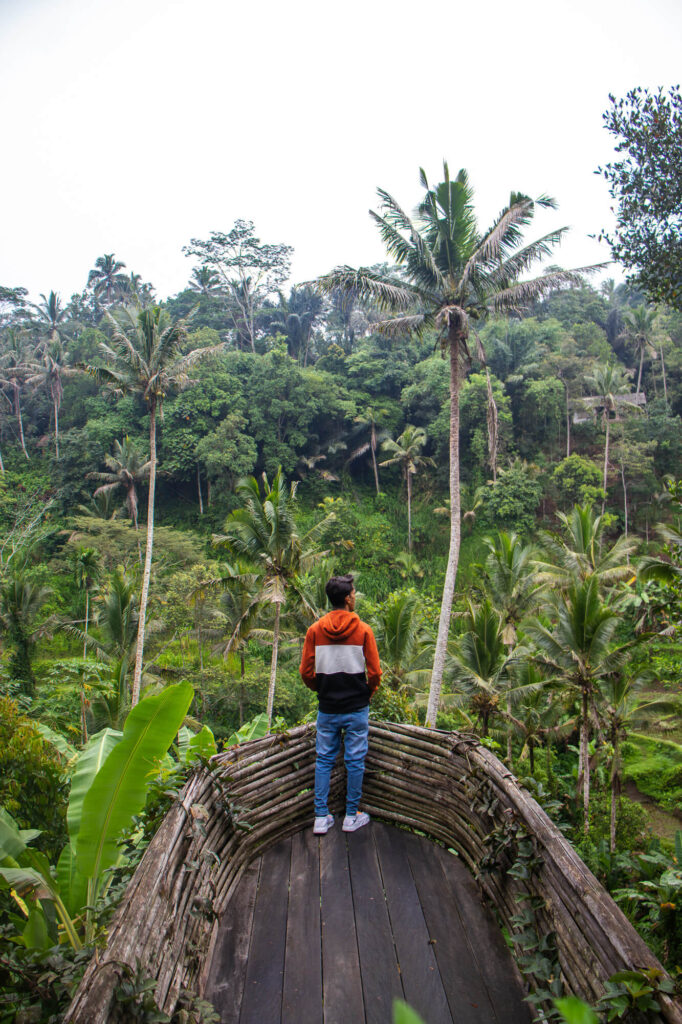
Here’s my honest take after the months I’ve spent there. If I had to pick the best time to visit Bali for most people, I’d say:
- May, June and September are strong all-round choices for a balance of weather and crowds.
- April and October are good shoulder-season alternatives.
- July and August suit travelers who prioritize dry weather and don’t mind crowds and higher prices.
- January, February and November can suit budget-conscious travelers who are comfortable with rainy-season conditions.
- December depends on whether you go early in the month or around Christmas and New Year.
- March is interesting if you want to experience the Ogoh-Ogoh Parade and Nyepi, provided you plan around the dates.
Which month is right ultimately depends on what you care about most.
Practical Tips for Choosing When to Visit Bali
Check the Weather for Your Specific Region
Coastal areas and highlands can see different conditions. A forecast for Denpasar doesn’t tell you what Bedugul, Kintamani or Amed will be like.
Don’t Plan Every Outdoor Activity in Advance
Keep some flexibility, especially in the rainy season, so a wet afternoon doesn’t wreck your plans.
Keep Boat Journeys Flexible
Sea conditions can affect crossings to Nusa Penida and the Gili Islands. Avoid tight onward connections.
Book Ahead During Peak Season
Reserve accommodation and flights early for July, August and Christmas/New Year.
Check the Balinese Festival Calendar
Look up the dates for Ogoh-Ogoh, Nyepi, Galungan and Kuningan before you confirm your travel plans.
Pack for Both Coastal and Highland Conditions
Bali is warm at sea level, but places like Kintamani and Bedugul can be cooler, especially in the evening, so bring a layer.
Frequently Asked Questions About the Best Time to Visit Bali
What is the best month to visit Bali?
For most travelers, May, June or September give the best balance of weather and crowds. The right month depends on your priorities.
What is the best season to visit Bali?
The dry season suits sunshine and outdoor plans. The rainy season suits greener scenery, fewer crowds and better value. Shoulder months balance the two.
When is Bali’s dry season?
Roughly April to October.
When is Bali’s rainy season?
Roughly November to March.
Is Bali worth visiting during the rainy season?
Yes, if you’re flexible. You get green landscapes, strong waterfalls and fewer crowds, but you should expect showers and some disruption to outdoor and boat plans.
Which month has the least rainfall in Bali?
August, based on the Denpasar averages (about 16 mm).
Which month is the hottest in Bali?
November has the highest average daytime temperature in the Denpasar data (about 31.6°C), though temperatures are warm all year.
What is the cheapest month to visit Bali?
Prices tend to be lower in the wetter, quieter months, like January, February and November, outside holiday periods. It isn’t guaranteed.
When is Bali’s peak tourist season?
July and August, plus Christmas and New Year.
Is July or August better for visiting Bali?
They’re very similar: both are dry, sunny, busy and expensive. Pick based on your dates and flexibility, and book ahead for either.
Can you visit Bali in January?
Yes. It’s the wettest month, but it’s also quieter, green and good value outside New Year.
Does it rain all day in Bali during the rainy season?
Usually not. Showers often come in the afternoon or evening, and you can still get clear mornings and sunshine.
When is the best time for surfing in Bali?
The dry season favors west-coast breaks like Uluwatu, and the wet season favors east-coast breaks like Keramas. Wind, tide and swell matter too.
When is the best time to visit Nusa Penida?
The dry season is generally best, with better weather and smoother boat crossings, though you should always check conditions.
When is the Ogoh-Ogoh Parade held in Bali?
On the evening before Nyepi, so the date changes every year. It was 18 March in 2026 and will be 8 March in 2027.
Can tourists experience Nyepi in Bali?
Yes, but you’ll need to stay inside your accommodation, and the airport closes, so plan around it.
Conclusion
Bali is a year-round destination, but each month gives you a different experience:
- Dry season for more consistent sunshine and outdoor exploration
- Rainy season for greener landscapes, fewer crowds and potentially better value
- Shoulder months for a balance between weather and tourist demand
- Peak holiday months for busy beaches, lively tourist areas and higher prices
- March for the cultural celebrations around Ogoh-Ogoh and Nyepi
If you want a simple recommendation, go in May, June or September and you’ll get the best mix of weather and calm. But after living through the rainy season, the dry season and the stretch in between, I’d say no single month is perfect for everyone. Choosing the best time to visit Bali comes down to what you want from the trip, and the right month can make a real difference to it.
Planning Your Indonesia Trip?
If you’re putting together a bigger Indonesia itinerary, here’s what else I’ve written:
2 Days in Yogyakarta: A Slow Travel Itinerary for Central Yogyakarta
Where to Stay in Yogyakarta: Best Areas for Every Traveler
Yogyakarta Travel Budget: How Much Does Yogyakarta Cost?
How to Travel from Yogyakarta to Surabaya 2026: The Ultimate Guide
How to Travel from Yogyakarta to Jakarta: Transport Guide 2026
Surabaya to Bali 2026: How to Plan the Perfect Island Journey
Jakarta to Bali 2026: The Perfect Guide to Flights, Buses, & Ferries
How to Plan a Trip to Bali 2026: The Ultimate Regional Travel Guide