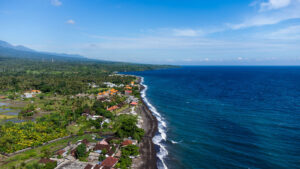
Wondering how to plan a trip to Bali? Skip the crowded day trips. Use our guide to pick the best regions, plan your transport, and map out 3 to 15-day routes.(CLICK HERE)
Table of Contents
How to plan a trip to Bali is harder than it looks, mostly because the island gives you too many good options. You start saving photos of beaches, temples, waterfalls, rice terraces and cafés, and only later notice how long it takes to get between them.
Bali is not one kind of place. Some areas are all beaches, cafés, nightlife and beach clubs. Others are mountain scenery, traditional villages, rice terraces and quiet coastal towns. Nusa Penida and the Gili Islands need extra planning because you reach them by boat. And if you pick the wrong base, you can spend half your trip stuck in a car.
So instead of another list of attractions or a rigid day-by-day Bali itinerary, this Bali travel guide splits the island into three practical Bali regions for planning:
- The Bali everyone knows: South Bali, Ubud and Nusa Penida
- Northeast and East Bali: Amed, Kintamani, Tirta Gangga and the Gili Islands as an island extension
- North Bali and the Bedugul Highlands: Handara Gate, Ulun Danu Beratan Temple, plus Munduk and Lovina as extra options
I’ve been to Canggu, Seminyak, Kuta, Uluwatu, Ubud, Nusa Penida, Amed, Kanto Lampo, Tirta Gangga, Tegallalang, Tembeling, Nusa Dua, Nyang Nyang Beach and a lot of other places around Bali, and everything I describe from those places is from my own trips. What visiting all those places taught me is how much the experience changes depending on where you go. Choosing the right regions is the first step toward a realistic Bali itinerary.
How to Plan a Trip to Bali: Understanding the Three Regions
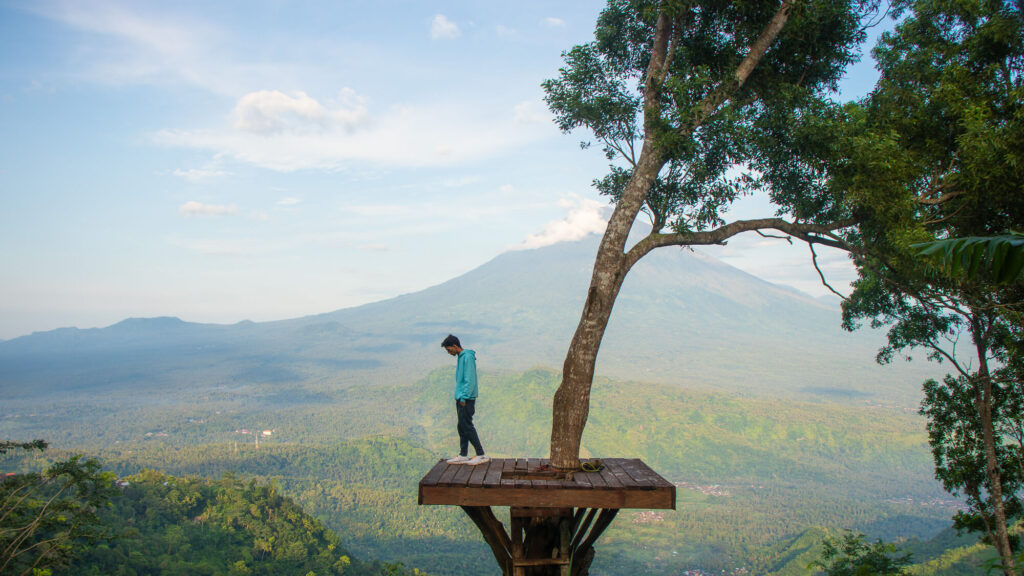
These three groups are planning shortcuts, not official divisions. Some places, like Ubud and Kintamani, are inland, and I’ve grouped them by how a traveler can sensibly plan, not by strict geography.
| Region | Places covered | Best suited for |
|---|---|---|
| Region 1: The Bali Everyone Knows | Canggu, Seminyak, Kuta, Uluwatu, Nusa Dua, Ubud, Tegallalang, Kanto Lampo and Nusa Penida | First-time visitors, beaches, cafés, nightlife, culture, waterfalls and famous sights |
| Region 2: Northeast and East Bali | Amed, Kintamani, Tirta Gangga and the Gili Islands as an island extension | Snorkeling, diving, mountain scenery, quieter coastal areas and island life |
| Region 3: North Bali and the Bedugul Highlands | Handara Gate, Ulun Danu Beratan Temple, Munduk and Lovina | Mountain scenery, lakes, temples, waterfalls, cooler weather and a quiet north coast |
If you take one idea about how to plan a trip to Bali from this guide, make it this one: pick regions before places. Two things to be clear about. First, the Gili Islands are off Lombok and are not part of Bali. I include them as an optional extension because people often combine them with an East Bali trip. Second, being in the same region doesn’t mean places are next to each other. Check the actual route and travel time before you group anything.
Region 1 – The Bali Everyone Knows: South Bali, Ubud and Nusa Penida
This is the Bali most first-time visitors recognize from social media, guidebooks and lists of the best places to visit in Bali. It brings together the southern beach areas, well-known inland attractions and Nusa Penida. Expect busy tourist areas, cafés and restaurants, surf beaches, beach clubs and nightlife, famous temples and viewpoints, rice terraces, waterfalls and well-established tourism facilities.
It’s a broad zone. Ubud and Nusa Penida aren’t part of South Bali itself, but they’re often included in the classic first-time circuit, so I’ve grouped them here. Even so, plan by location, not by the list.
Canggu, Seminyak and Kuta
These three are close to each other, but they feel different. I visited all of them, and they aren’t interchangeable beach towns.
Canggu is known for surf beaches, cafés, restaurants, beach clubs and a social, nightlife-heavy scene. There’s a wide range of places to stay, and also heavy traffic and plenty of commercial development. It suits travelers who want a lively social scene and good food, and it may not suit anyone looking for quiet.
Seminyak is more polished. It’s known for restaurants and cafés, shopping, beach clubs, resorts and boutique stays, and a sunset beach atmosphere. It suits travelers who want a more upscale, comfortable base.
Kuta is the classic: the beach, surfing, shopping and entertainment, with plenty of budget accommodation and a lively tourist atmosphere. It’s the most straightforward of the three and a different vibe from Canggu and Seminyak.
If you’re picking one, think about whether you want social and surf (Canggu), polished and comfortable (Seminyak) or busy and budget-friendly (Kuta). Detailed hotel picks belong in a separate guide.
Uluwatu, Nyang Nyang Beach and Nusa Dua
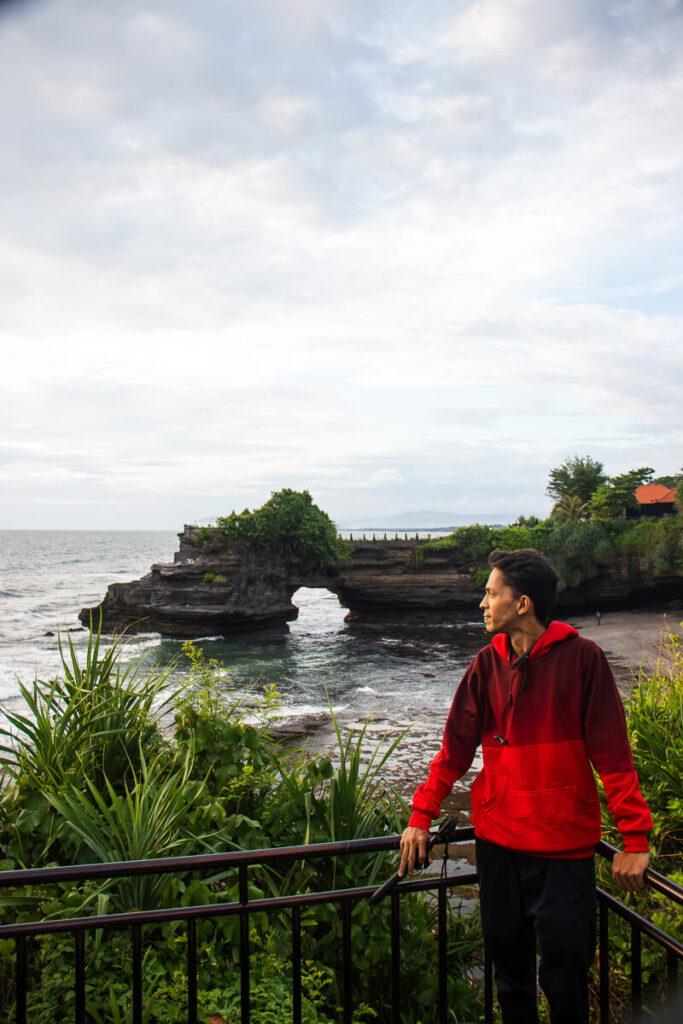
The Bukit Peninsula in the south feels different from the Canggu–Seminyak–Kuta strip.
Uluwatu is about dramatic coastal cliffs, surfing, Uluwatu Temple, ocean views and sunsets, with places to stay and eat spread across the peninsula. It works well if you want a beach-focused stay with scenic surroundings.
Nyang Nyang Beach is a cliff-backed beach on the peninsula, and I visited it. Getting down means a descent, so bring water and sun protection, and check the sea conditions before swimming, because they change.
Nusa Dua is the resort area, with organized, polished beach stays and facilities aimed at travelers who want resort comfort. I visited it too, and it’s a clear contrast with Uluwatu and Canggu. It suits a different kind of trip.
If you’re choosing between them: Uluwatu for cliffs and surf, Nusa Dua for organized resort comfort, and Nyang Nyang as a beach visit rather than a base.
Ubud, Tegallalang Rice Terraces and Kanto Lampo Waterfall
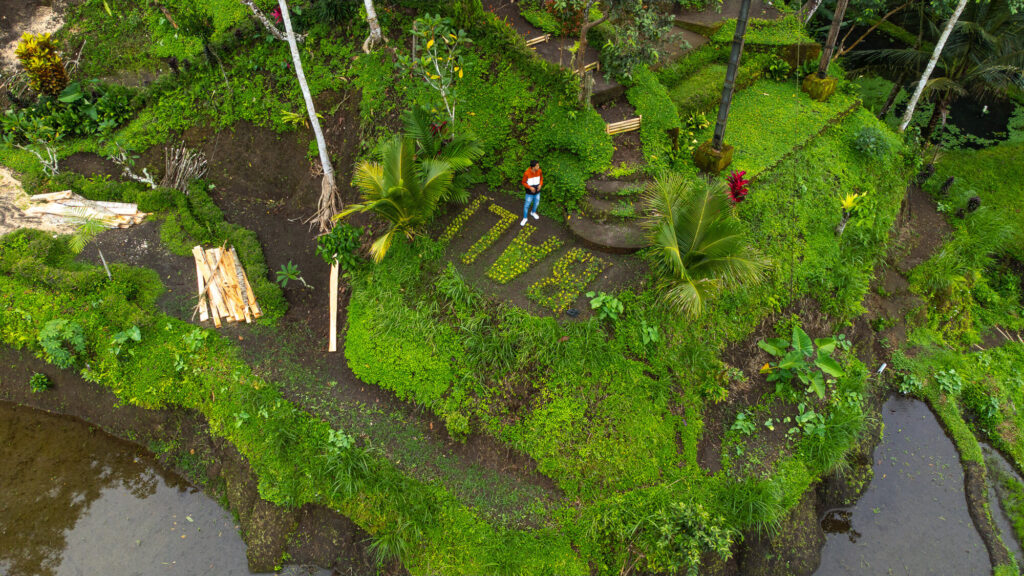
Ubud is inland and has a different atmosphere from the beach towns. It’s known for cultural attractions, art markets, cafés and restaurants, rice fields and countryside, temples and traditional performances, and it’s a common base for exploring inland Bali.
Tegallalang Rice Terraces are in Gianyar Regency, about 10 km north of Ubud. They’re a terraced landscape with scenic viewpoints. Seeing a viewpoint and exploring the area around it are different experiences, and entrance charges and activity fees change, so check before you go. Add transport time to your plan.
Kanto Lampo Waterfall is in the Gianyar area, about 10 minutes by car from Ubud. It’s known for its rocky cascading formations. Entry has been a small fee of around IDR 20,000, but check the current price, and check local conditions before you go.
I visited all three: Ubud, Tegallalang and Kanto Lampo. They can be grouped into an inland sightseeing plan, but they aren’t next to each other, so travel time still matters.
Nusa Penida and Tembeling Beach and Forest
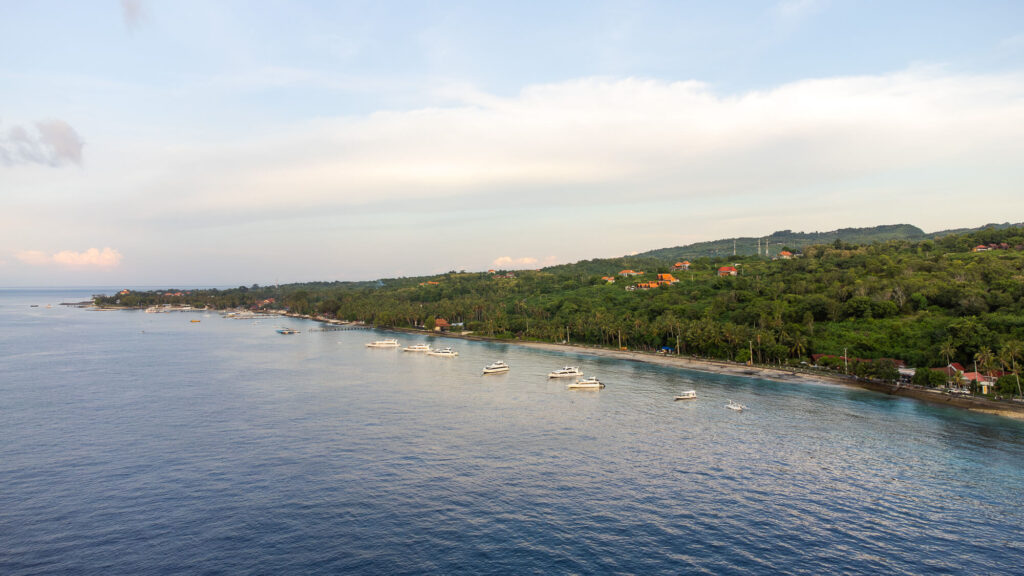
Nusa Penida is part of Bali Province but it’s a separate island, and you reach it by boat from mainland Bali. That’s why it deserves its own planning, even though it shows up on many first-time itineraries.
- Why go: dramatic coastal scenery, beaches, viewpoints and natural attractions.
- Boats: most fast boats leave from Sanur, with a crossing of about 45 minutes. The shorter hop from Kusamba takes about 25 to 30 minutes. Most boats arrive at Banjar Nyuh (Toyapakeh), and some use Sampalan or Buyuk, so check your operator’s departure and arrival ports.
- Sea conditions: the sea can be rough in the rainy season (December to March), and boats may not run around major holidays such as Nyepi. Check schedules.
- On the island: distances and road conditions add up, and trying to see everything in a day is exhausting.
Tembeling Beach and Forest is a different side of the island from the famous viewpoints, with a forest setting, a natural pool and a beach area. Expect a steep staircase, so factor in the walking. I explored Nusa Penida and visited Tembeling.
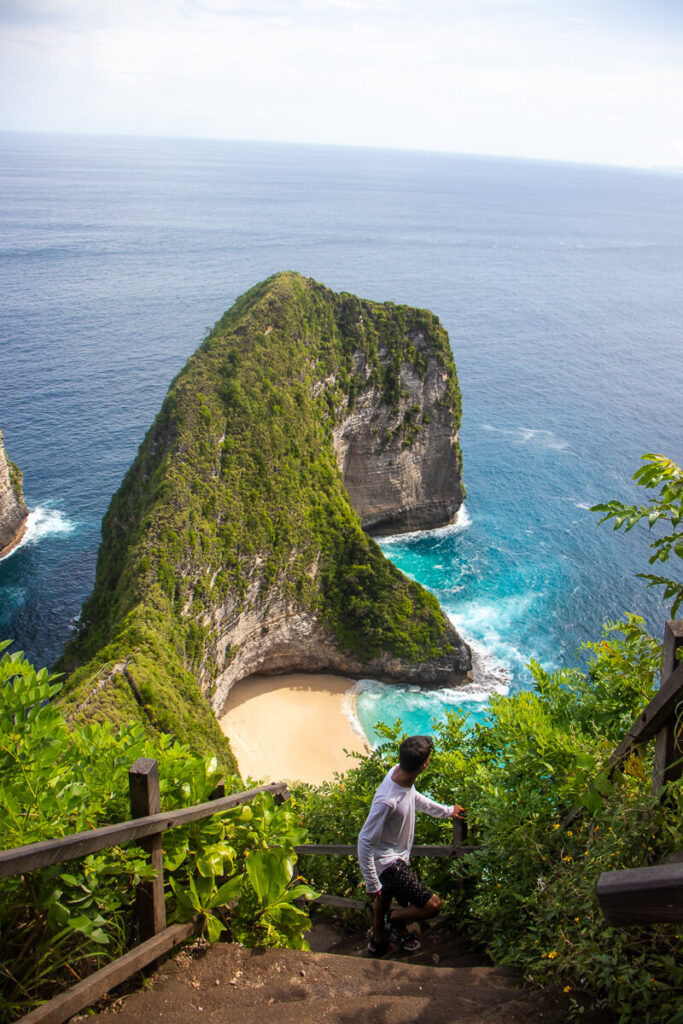
Don’t treat Nusa Penida as a casual add-on between distant mainland stops. Plan the boat and the island separately.
Region 2 – Northeast and East Bali: Amed, Kintamani, Tirta Gangga and the Gili Islands
This region is for travelers who want Bali beyond the busy south, and it changes how to plan a trip to Bali because the distances are longer. It mixes quieter coastal spots, mountain scenery, cultural sights and an optional island extension. You’ll find a slower pace in many coastal villages, snorkeling and diving, views of Mount Agung, volcanic landscapes, water gardens, and island life around the Gilis.
Amed and Tirta Gangga are in East and Northeast Bali, Kintamani is inland, and the Gili Islands are off Lombok. I’ve grouped them for planning, not because they’re neighbors. This region rewards slowing down more than rushing it in a day trip.
Amed – For a Quieter Side of Bali
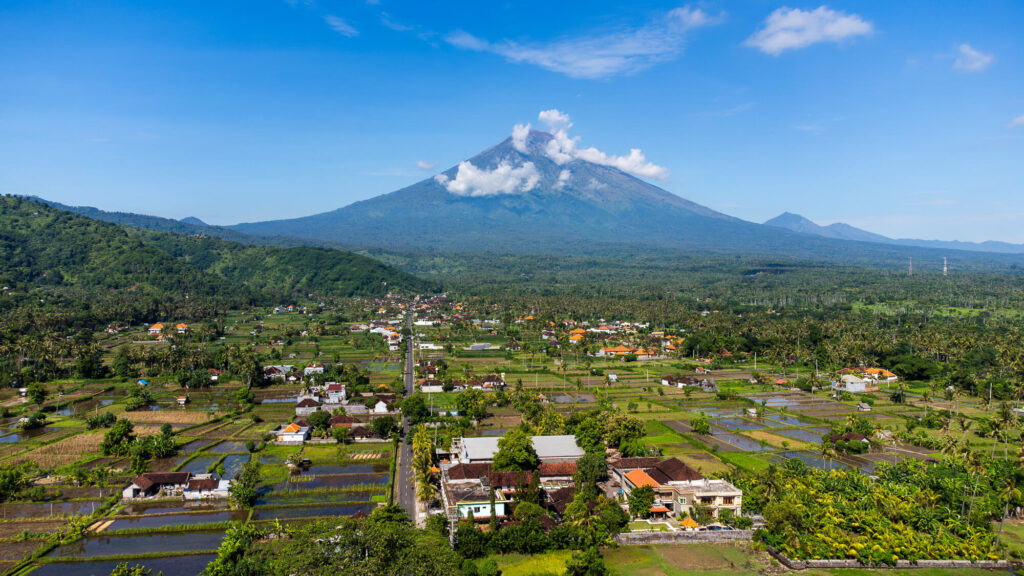
Amed is a coastal area in northeastern Bali known for its laid-back atmosphere, snorkeling and diving, coastal villages, black-sand beaches, fishing boats and views of Mount Agung. It feels very different from Canggu and Seminyak.
I visited Amed. It’s a long way from the busy south, and that’s much of the point. It suits snorkelers and divers, anyone who wants quieter coastal surroundings, and travelers planning a slower East Bali stay.
Don’t squeeze it into a short trip. Amed makes sense when you leave enough time for the journey and the activities you came for.
Kintamani – Mountain Scenery and Mount Batur
I haven’t been to Kintamani yet, so I’ll stick to why it’s worth considering.
Kintamani is a highland town on the southwest ridge of the Mount Batur caldera, in Bangli Regency, with views over Mount Batur and Lake Batur. The summit of Mount Batur is about 1,717 meters, so it’s higher and cooler than the coast and a different world from the beach towns.
A Mount Batur hike is a separate activity that needs its own planning, so don’t assume it’s part of a Kintamani visit. Kintamani can fit into a wider inland or eastern route, but check the actual drive times.
Tirta Gangga and the Surrounding East Bali Area
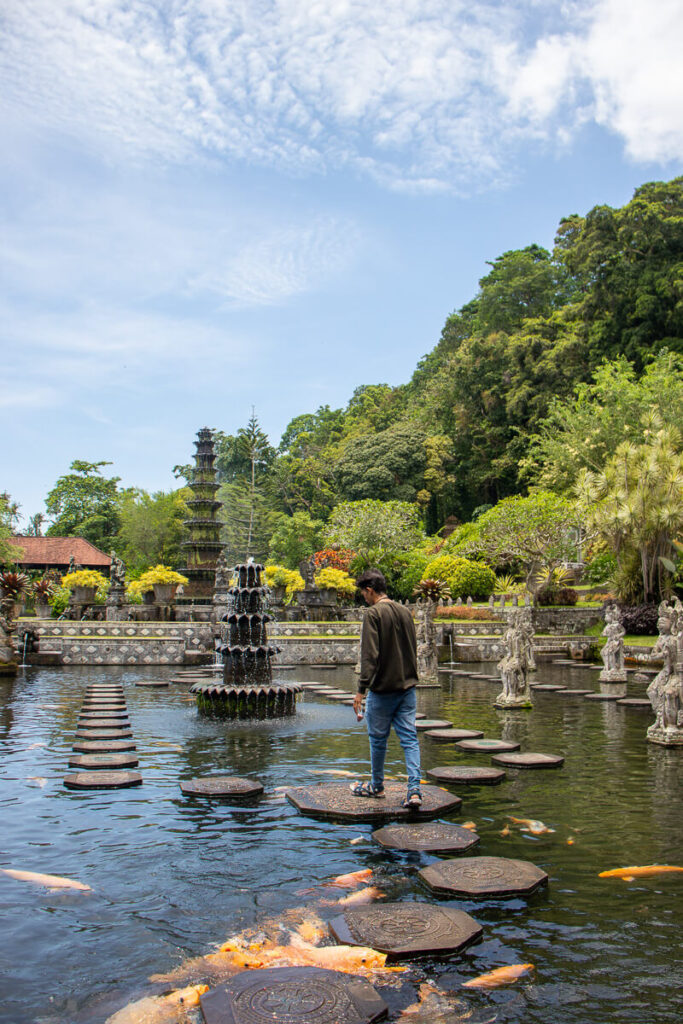
Tirta Gangga is a royal water garden in Karangasem Regency, near the village of Ababi, about 7 km north of Amlapura. The last king of Karangasem, I Gusti Bagus Jelantik, began building it in 1946 as a place for recreation. It has bathing pools, fountains and a temple area, although the 1963 eruption of Mount Agung destroyed most of the original complex.
I visited Tirta Gangga. It offers something very different from the beach clubs and crowded southern districts: gardens, countryside and a cultural sight. If you like that kind of stop, it fits well in an East Bali route. Travel time depends on where you’re staying, so check entry prices and hours before you go.
Amed, Kintamani and Tirta Gangga each offer something different. Don’t automatically treat them as neighboring stops on a quick sightseeing loop.
The Gili Islands – An Island Extension from East Bali
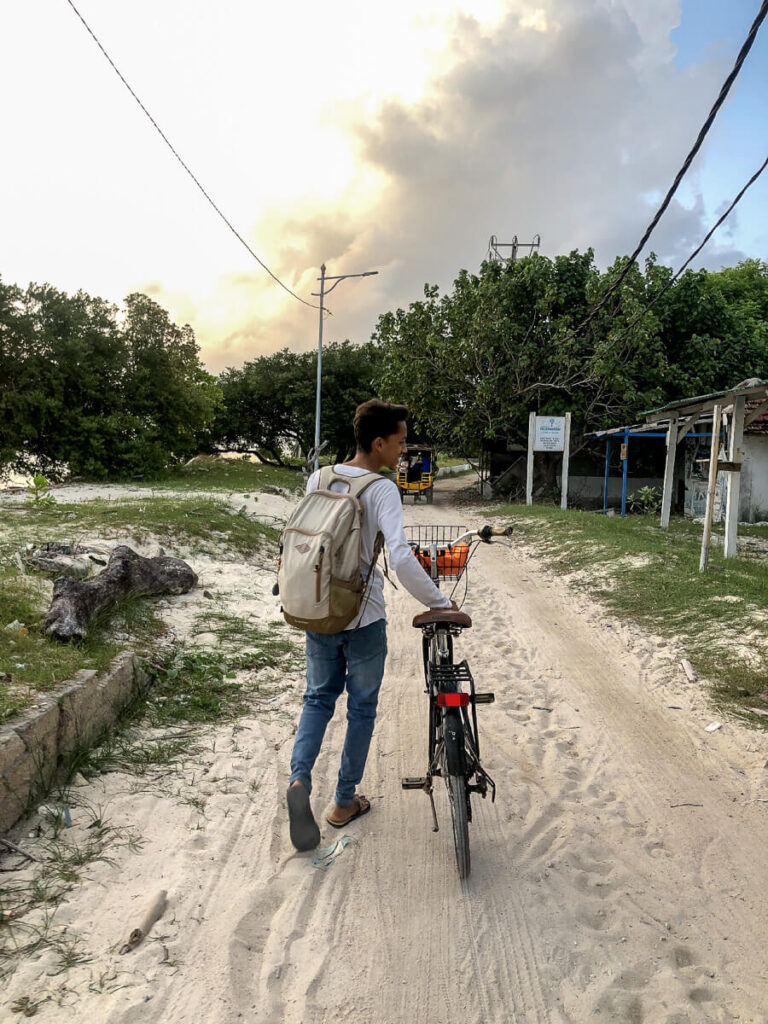
I haven’t been to the Gili Islands, so this is planning advice, not a first-hand review.
The Gilis are three small islands off the northwest coast of Lombok, and they are not part of Bali, even though many people add them to a Bali holiday. They’re in West Nusa Tenggara province, and you reach them by sea. Travelers go for the beaches, clear water, snorkeling and diving, and relaxed island life. Motorized vehicles are banned, so people walk, cycle or take horse carts.
The three islands aren’t interchangeable:
- Gili Trawangan is the largest and most developed, the liveliest of the three, with a social atmosphere, restaurants, bars and the widest range of accommodation.
- Gili Air is the one closest to Lombok, with a mix of relaxed island life and social activity, plus restaurants, stays and marine activities.
- Gili Meno is the quietest, with a slower pace, and the one to pick if you want peace.
The best island depends on what you want.
Getting from Amed to the Gili Islands
Amed is a useful starting point for an East Bali and Gili trip. Fast boats run to the Gilis from Padang Bai, Serangan and Amed, taking roughly 1.5 to 2.5 hours. Don’t assume there’s a direct boat from Amed on your date, though, because some services involve changing boats or using a different port. Confirm the operator’s departure port and schedule before you plan around it.
- Alternative: travel by road to Padang Bai and take a boat from there.
- Cost: tickets start from around IDR 370,000 as a rough guide, and prices vary by operator and season.
- Delays and weather: boats can be delayed or canceled, especially in the wet season, and high-season tickets can sell out.
- Return: sort out your return arrangement before you go.
The Gilis are an additional island stay, not just another mainland attraction. You can combine Amed with the Gili Islands, but allow enough time for the boat journey and the stay.
Region 3 – North Bali and the Bedugul Highlands
I haven’t been to this region yet, so I’m writing it as a planning overview and flagging each place accordingly.
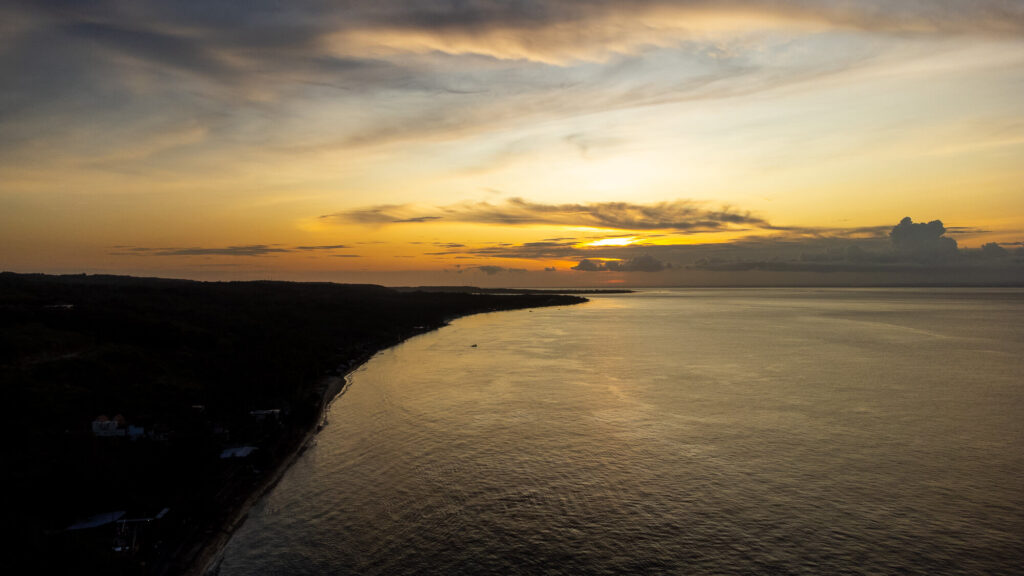
North Bali and the Bedugul Highlands suit travelers who want mountain scenery, lakes, temples, waterfalls and cooler weather. It feels very different from the southern beaches and the eastern coast around Amed. Expect mountain roads, highland scenery, lakes, temples and scenic stops, and account for driving time when you combine them. Bedugul sits at about 1,500 meters, which gives it a mild mountain climate. This region isn’t one compact area, so I’ve covered the best-known highland stops first and then two more options, Munduk and Lovina.
Handara Gate
Handara Gate is a well-known split gateway in the Bedugul highlands, in Pancasari village, Buleleng Regency. It’s not a temple. It’s the entrance to the Handara Golf & Resort, and it has become a popular photo stop for its Balinese-style design and mountain backdrop.
The photo ticket has been around IDR 50,000, but fees change, so confirm on arrival. Don’t build a whole region’s plan around a short photo stop. Treat it as one part of a wider visit to the Bedugul area.
Ulun Danu Beratan Temple
Ulun Danu Beratan is one of Bali’s best-known lakeside temple complexes, on Lake Beratan in the Bedugul highlands in Tabanan Regency. The temple is associated with Dewi Danu, the goddess of water, and it’s known for its distinctive architecture, lake and mountain scenery, and surrounding gardens. The highland atmosphere is a clear contrast with southern Bali.
Weather and visibility affect the views. Bedugul can be foggy and moody in the mornings, so bring a layer and don’t count on a clear lake view. Check current ticket prices and entry conditions before you go, and don’t confuse it with other temples in Bali.
Handara Gate and Ulun Danu Beratan can be planned together as part of a Bedugul highland visit, depending on your route and time.
More North Bali Options: Munduk and Lovina
These two go beyond the Bedugul stops, and I haven’t been to either, so treat them as options to look into, not recommendations from experience.
Munduk is a highland village in the mountains of North Bali, known for cool air, plantations, waterfalls and lake scenery. It suits travelers who want a quiet, green mountain stay, not a sightseeing stop. It’s a natural extension if you’re already in the Bedugul area.
Lovina is on the north coast and is known for its quiet black-sand beaches, calm water and dolphin-watching boat trips. It suits travelers who want a laid-back coastal stay far from the southern crowds.
Munduk and Lovina are far from the south, so they work better as part of a longer trip than a quick add-on. Check the actual drive times from wherever you’re staying.
Which Bali Regions Should You Visit?
The best places to visit in Bali depend on what kind of trip you want, so here’s how I’d match the regions to your interests.
If This Is Your First Trip to Bali
Start with the popular south and Ubud, then decide whether you have time to add Nusa Penida or another region. You don’t have to see every famous place on one trip.
If You Prefer Beaches, Cafés and Nightlife
Look at Canggu, Seminyak, Kuta, Uluwatu and Nusa Dua. Canggu is social and surf-focused, Seminyak is polished, Kuta is busy and budget-friendly, Uluwatu is cliffs and surf, and Nusa Dua is organized resort comfort.
If You Prefer Nature and Quieter Coastal Areas
Look at Amed, the wider East Bali area, the highland scenery around Kintamani and, further north, Lovina. You can continue to the Gili Islands for an island-focused stay. These areas suit travelers who want a break from the busiest southern spots.
If You Want Temples, Lakes and Mountain Scenery
Look at Ulun Danu Beratan, Handara Gate, Munduk, Kintamani and Ubud with its inland attractions. Group them by location rather than adding them at random.
If You Want an Island Escape
Nusa Penida is part of Bali Province but needs a boat from mainland Bali. The Gili Islands are off Lombok and need a separate boat connection. Both give you an island experience, but the locations, landscapes and activities differ. Think about transport, time and accommodation before adding either.
How Many Regions Should You Include in Your Bali Trip?
This is the part of how to plan a trip to Bali that most people skip. The right number of regions depends on how long you have and how slowly you want to travel. Here’s a rough guide. These are flexible planning suggestions, not fixed itineraries.
| Trip duration | Suggested planning approach | What that could look like |
|---|---|---|
| 3–5 days | Focus on one area or nearby bases | Stay in one part of the south, or pair Ubud with one beach base |
| 6–9 days | Explore one or two regions | The popular south and Ubud, or one region plus Nusa Penida |
| 10–14 days | Consider two or three regions | The classic south and Ubud circuit plus East Bali, or the south plus the northern highlands |
| 15+ days | Explore multiple regions at a slower pace | All three regions, with longer stays and time for Nusa Penida or the Gilis |
A few principles sit behind the table:
- Fewer bases is usually better on a short trip. Moving accommodation often eats into time you’d rather spend there.
- Combine places that are actually close. Ubud and its nearby inland sights are a natural group.
- Treat Nusa Penida as its own plan. The Gili Islands need extra transport arrangements too.
- Don’t casually add Amed or the northern highlands to a packed southern trip. They need time to enjoy, not just to pass through.
The numbers will shift with your pace, your transport and the season. Pick your regions first, then build the daily plan.
How to Get Around Bali Between Regions
Transport is a big part of how to plan a trip to Bali, because it shapes which regions are realistic.
- Ride-hailing and local transport are available in many areas, though not equally everywhere.
- Scooter rental suits travelers who are properly licensed and comfortable riding.
- Organized day tours can work for places that are hard to reach on your own.
- Check actual routes, not straight-line distances. Traffic can change travel times a lot.
- Fast boats connect mainland Bali to Nusa Penida, and to the Gili Islands from suitable ports.
What works in Canggu may not be as useful in Amed or the Bedugul highlands. Across my own trips I noticed how much the way I got around shaped what I could realistically see, which is another reason to choose regions before you plan details.
Practical Tips for Planning a Trip to Bali
A few mistakes to avoid when you’re working out how to plan a trip to Bali:
Choose Your Regions Before Booking Accommodation
Decide which parts of Bali you want to visit before you pick where to stay. Otherwise you may book a base that’s a long way from what you came for.
Don’t Try to See the Entire Island from One Base
Frequent long drives reduce the time you spend enjoying each place.
Group Nearby Places Together
Ubud and its inland attractions are a good example, but still check the actual distances and conditions.
Allow Extra Time for Nusa Penida
It needs a boat crossing and transport after you arrive.
Plan the Gili Islands as a Separate Extension
Reaching the Gilis involves a boat and may need road travel to the departure port first.
Prepare for Different Weather
Coastal areas and highlands feel different. Check the forecast and bring suitable clothing, including a layer for the highlands.
Respect Temple Customs
Dress appropriately and behave respectfully at religious sites.
Frequently Asked Questions About Planning a Trip to Bali
How do I plan a trip to Bali?
How to plan a trip to Bali starts with choosing which regions match your interests, then picking your accommodation bases, and only then building a daily plan.
What are the main regions of Bali?
For planning, three groups: the popular south with Ubud and Nusa Penida; Northeast and East Bali around Amed, Kintamani and Tirta Gangga; and North Bali with the Bedugul highlands, Munduk and Lovina. They’re planning groups, not official divisions.
Which part of Bali is best for first-time visitors?
The popular south and Ubud are the usual starting point, with Nusa Penida as an optional addition if you have time.
Is Ubud part of South Bali?
No. Ubud is inland, in Gianyar Regency, but it’s usually grouped with South Bali for first-time trips.
Is Nusa Penida part of Bali?
Yes. It’s part of Bali Province, but it’s a separate island and you reach it by boat.
Is Amed worth visiting on a Bali trip?
Yes, if you want snorkeling, diving or a quieter coastal stay and can spare the time for the journey. I’d skip it on a rushed trip.
Where are Handara Gate and Ulun Danu Beratan Temple?
Both are in the Bedugul highlands of North-Central Bali. Handara Gate is in Pancasari village, Buleleng Regency, and Ulun Danu Beratan is on Lake Beratan in Tabanan Regency.
Conclusion
How to plan a trip to Bali gets easier once you understand the differences between its regions:
- The Bali everyone knows: the popular south, Ubud and Nusa Penida
- Northeast and East Bali: Amed, Kintamani, Tirta Gangga and the Gili Islands as an island extension
- North Bali and the Bedugul Highlands: Handara Gate, Ulun Danu Beratan Temple, Munduk, Lovina and the surrounding highland scenery
Between the busy beaches, the inland sights, the quieter coast and the islands, my own trips showed me there’s more than one way to do Bali. You don’t need to see every famous place. Choose the regions that fit what you like, and you’ll end up with a trip that’s more enjoyable and a lot more realistic.
Planning Your Indonesia Trip?
If you’re putting together a bigger Indonesia itinerary, here’s what else I’ve written:
2 Days in Yogyakarta: A Slow Travel Itinerary for Central Yogyakarta
Where to Stay in Yogyakarta: Best Areas for Every Traveler
Yogyakarta Travel Budget: How Much Does Yogyakarta Cost?
How to Travel from Yogyakarta to Surabaya 2026: The Ultimate Guide
How to Travel from Yogyakarta to Jakarta: Transport Guide 2026
Surabaya to Bali 2026: How to Plan the Perfect Island Journey
Jakarta to Bali 2026: The Perfect Guide to Flights, Buses, & Ferries