Skip the unnecessary downloads. Here are the best apps for traveling in Vietnam to book buses, hail rides, translate menus, and find great places to stay.(CLICK HERE)
Table of Contents
Having the right apps on your phone can make traveling around Vietnam significantly easier. You don’t need dozens of them. A handful of genuinely useful apps can handle almost everything, getting around cities, booking intercity buses, finding accommodation, and communicating with locals who don’t speak English.
This guide to the best apps for traveling in Vietnam is based partly on my own 50-day trip through the country, from Hanoi down to Ho Chi Minh City. Some of these I used constantly. Others I’m including because they’re genuinely useful even though my own trip didn’t require them every day.
Best Apps for Traveling in Vietnam at a Glance
| App | Best For |
|---|---|
| Google Maps | Navigation & finding places |
| Grab | Rides & food delivery |
| Be | Local ride-hailing alternative |
| Vexere | Intercity buses |
| Google Translate | Translation |
| Zalo | Messaging locals & businesses |
| Agoda | Hotels & hostels |
| XE Currency | Currency conversion |
| Green SM | Electric taxis & bikes |
| Organic Maps | Offline trekking & navigation |
1. Google Maps
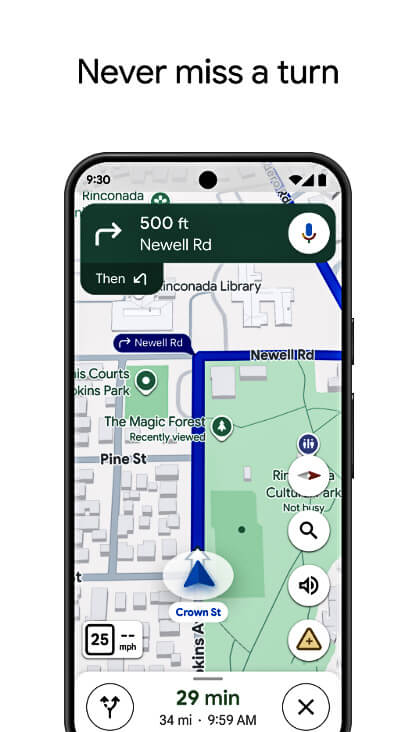
Google Maps does more heavy lifting than any other app on this list. Finding hotels, restaurants, cafes, and attractions all starts here. Getting directions, whether walking, on a scooter, or by car, works reliably even in smaller towns. Checking reviews before committing to a restaurant or hostel saves you from wasted meals and bad nights. Saving places as you go means you build your own map of spots worth returning to.
Finding less-touristy places is where Google Maps genuinely shines if you use it properly, searching around a general area rather than just the top pinned results. Using it while riding a scooter works well enough with a phone mount, though I’d always recommend pulling over rather than checking it mid-ride. Checking opening hours before you show up somewhere saves a wasted trip, and offline maps, downloaded before you lose signal, are essential for anywhere remote.
During my own trip, Google Maps was how I found nearly everything away from the obvious tourist circuit, backroads, small cafes, and quiet spots that never would have appeared without genuinely exploring the map rather than just following a guidebook.
2. Grab
Grab is Vietnam’s dominant ride-hailing app, and it works almost exactly like Uber. GrabBike gets you a motorbike taxi for short hops through traffic. GrabCar works for longer distances or when you’d rather not sit on the back of a scooter. Airport transfers through Grab remove the stress of negotiating a fare the moment you land, and getting around cities generally becomes far simpler once you have it installed.
Food delivery through Grab also works well if you want to eat in rather than go out. Seeing the fare before booking is the single biggest advantage over a street taxi, no surprises, no negotiation. Avoiding the need to negotiate with taxis entirely was one of the most stress-reducing parts of using Grab throughout my trip.
3. Be

Be is a Vietnamese ride-hailing app and a genuine local alternative to Grab. BeBike, BeCar, and BeTaxi all function similarly to Grab’s equivalent services. Comparing fares between Grab and Be before booking can save you a meaningful amount over a longer trip, since prices fluctuate between the two depending on demand and time of day.
It’s worth having Be installed alongside Grab rather than depending entirely on one app. Delivery services are also available through Be, similar to Grab’s food delivery option. As a local app worth knowing about when traveling around Vietnam, Be gave me a second option whenever Grab prices spiked or availability was thin.
4. Vexere
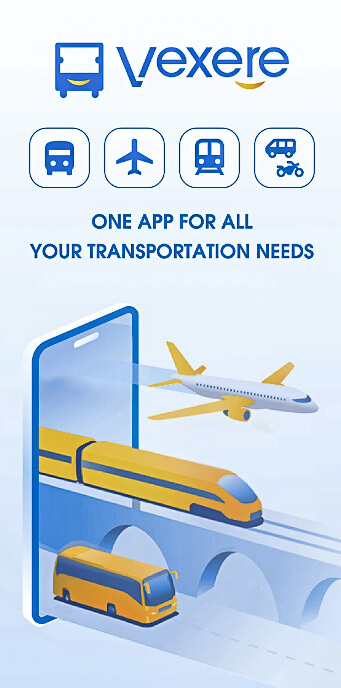
Vexere is the app I used for booking intercity buses throughout my entire trip, and it’s genuinely one of the most useful tools on this entire list of the best apps for traveling in Vietnam.
Booking intercity buses through Vexere means comparing different bus companies side by side rather than trusting whatever your hostel recommends. Checking departure times and comparing prices across operators takes minutes rather than requiring a trip to a physical station. Choosing seats, when available, and paying online with instant booking confirmation removes almost all the uncertainty from long-distance travel.
The one feature I genuinely loved about Vexere is something most guides don’t mention. When you click the boarding point option while booking a ticket, it shows you exactly where that boarding point is and how far it is from a reference point, with the distance shown in kilometers. This meant I could immediately tell which boarding point was closest to my hostel or hotel before committing to a ticket, rather than booking blind and hoping it was walkable. The same feature works for drop-off points too, so you know in advance roughly how far you’ll need to travel once you arrive.
I used Vexere for a large part of my Vietnam trip, comparing sleeper buses, checking prices between operators, and picking boarding points that actually made sense for where I was staying. It became one of the apps I opened almost every time I needed to move between cities.
5. Google Translate
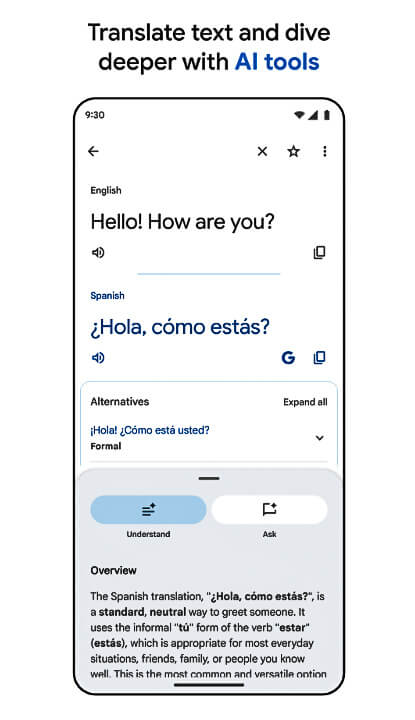
Google Translate earns its place among the best apps for traveling in Vietnam simply through how often you’ll actually need it. Translating menus at local restaurants with no English options opens up food you’d otherwise avoid out of uncertainty. Translating signs, camera translation in particular, turns unreadable Vietnamese text into something you can actually understand in real time.
Typing Vietnamese phrases and showing them to someone, or using the speech translation feature to have a basic back-and-forth conversation, gets you through situations that would otherwise stall completely. Translating addresses matters more than people expect, since giving a driver or bus operator an address in Vietnamese script avoids a lot of confusion. Downloading Vietnamese for offline translation before you leave WiFi is a small step that saves real frustration later.
Translation became particularly useful outside tourist-heavy areas, smaller towns, local restaurants, and rural bus stations where English simply isn’t part of daily life the way it is in central Hanoi or Ho Chi Minh City.
6. Zalo
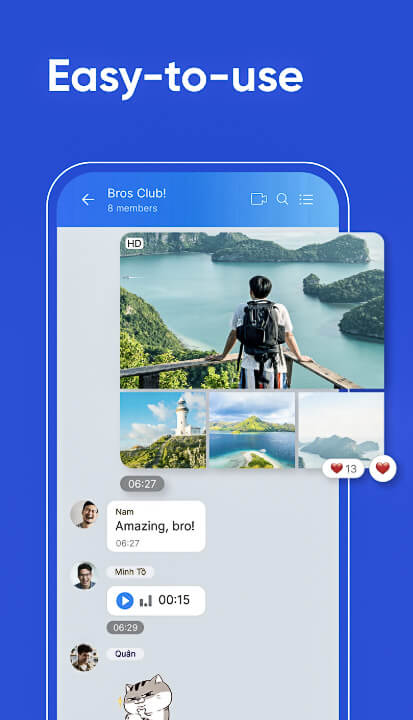
Zalo is Vietnam’s dominant messaging app, used far more widely than WhatsApp by most Vietnamese people and businesses. It’s worth having installed even if you never expected to need a second messaging app on your trip.
Messaging local businesses, particularly smaller hostels, tour operators, and drivers, often happens through Zalo rather than email or WhatsApp. Communicating with drivers you’ve arranged privately, and with accommodation providers confirming details like pickup times, frequently defaults to Zalo as the expected channel. Staying in contact with people you meet along the way, locals and fellow travelers alike, is also common through Zalo in Vietnam specifically.
Travelers may encounter Zalo even if they normally rely entirely on WhatsApp elsewhere, and having it ready avoids an awkward moment when someone asks for your Zalo rather than your number.
7. Agoda
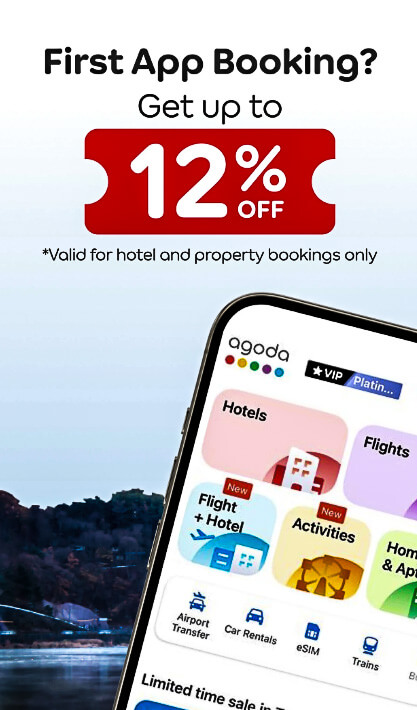
Agoda handled almost all of my accommodation bookings throughout Vietnam. Booking hostels, hotels, and guesthouses all works smoothly through the app, with a strong selection specifically across Southeast Asia. Comparing room prices across multiple properties in the same area takes just a few taps, and reading reviews before booking helps avoid the properties that look great in photos but disappoint in person.
Checking cancellation policies before committing matters if your plans are still flexible, and looking at different accommodation options side by side is where Agoda’s interface genuinely works well.
I personally prefer Agoda over Booking.com any day. This comes down to my own experience rather than any objective claim that one is definitively better, but I consistently found better prices and a smoother booking process through Agoda across most of the destinations on my route. Your own experience may vary, but for my trip, it was the accommodation app I opened first every single time.
8. XE Currency
XE Currency solves a very specific problem: converting Vietnamese dong quickly enough that large numbers stop feeling confusing. Understanding prices quickly matters when you’re constantly seeing figures like 100,000, 300,000, or 500,000 VND and need to know roughly what that actually means in your home currency.
Converting accommodation costs, checking bus prices, and checking restaurant prices all become faster with a currency converter open rather than doing mental math with an unfamiliar exchange rate. Avoiding mistakes when dealing with large VND numbers matters more than it sounds, since it’s genuinely easy to misplace a zero when you’re not used to the currency.
9. Organic Maps
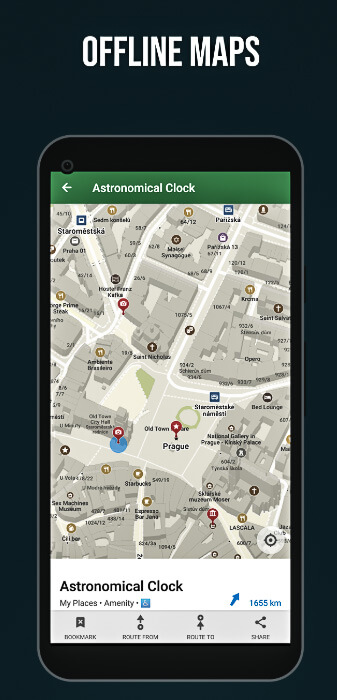
Organic Maps is especially useful when you’re heading somewhere with unreliable signal. I used it while solo trekking in Sapa, and it gave me a lot more confidence navigating away from the main tourist areas.
You can download maps for offline use before heading out, so you can check your location and follow trails even without mobile data. This was particularly useful around Sapa’s villages and mountain trails where the signal wasn’t always reliable.
I wouldn’t say every traveler needs Organic Maps, but if you’re planning to trek independently in Sapa, I’d definitely download it before your trip.
My tip: Download the Sapa map while you still have WiFi and make sure it works offline before starting your trek.
10. Green SM

Green SM, sometimes still referred to by its older name Xanh SM, is Vietnam’s electric ride-hailing service, offering both electric cars and electric bikes as an alternative to Grab and Be. It’s worth having as a third option alongside those two apps, particularly useful for comparing prices and availability when one service is surging or slow to find a driver.
Travelers may still come across the older Xanh SM branding on vehicles or in search results, so don’t be confused if the name doesn’t immediately match what you see on the road.
Local Vietnamese Apps You Might Want to Know About
The following apps are more closely connected to everyday life in Vietnam rather than being essential downloads for every tourist. They’re worth knowing about, but not necessarily worth installing unless they genuinely fit how you’re traveling.
MoMo
MoMo is Vietnam’s dominant digital payment app, covering everything from paying bills to topping up mobile data and handling everyday transactions. It’s much more useful for people actually living in Vietnam than for a short-term tourist, particularly since account setup and payment requirements can differ significantly for foreign visitors.
ShopeeFood
ShopeeFood handles food delivery from restaurants and cafes directly to your accommodation. It’s useful on slow-travel days or when you want to experience more local food without necessarily going out to find it yourself.
Foody
Foody works as a restaurant discovery app, built around local reviews, photos, and menus rather than the more tourist-facing options you’d find on Google. It’s more interesting for travelers who specifically want to see where locals actually eat rather than relying on whatever shows up first in a general search.
The Apps I Actually Used During My 50-Day Vietnam Trip
This is where I’ll be specific about what actually got used, rather than what simply sounds useful in theory.
Vexere handled essentially all of my intercity transport, from Hanoi to Sapa, Ninh Binh to Hue, Hue to Hoi An, and onward through the rest of my route. The boarding point distance feature alone made it worth having installed. Google Maps ran constantly throughout my trip, from navigation and saved places to offline maps and general exploration.
Organic Maps became particularly useful in Sapa, where I used it while trekking solo. Having the Sapa map downloaded offline meant I could navigate trails and check my location even when the signal disappeared.
Grab covered the bulk of my short-distance city transport and airport transfers, while Agoda booked nearly every night of accommodation across all fifty days. Google Translate came out constantly at local restaurants and smaller towns where English wasn’t an option. Zalo got used when needed, mostly for confirming details with hostels or drivers who defaulted to it rather than WhatsApp or a phone call.
These seven apps, more than any others among the best apps for traveling in Vietnam, are the ones I’d genuinely recommend based on my own fifty days actually using them.
Common Mistakes When Using Travel Apps in Vietnam
Don’t Rely on Only One Ride-Hailing App
Keep Grab, Be, or Green SM available alongside each other so you can compare prices and availability rather than accepting whatever one app quotes you.
Double-Check Your Pickup Location
This matters especially in busy cities, airports, and large streets where a pin can drop slightly off from where you’re actually standing.
Check the Final Price Before Confirming
Make sure you understand the fare before booking a ride or confirming a food order, rather than assuming the initial estimate is exactly what you’ll pay.
Don’t Assume Every Local App Is Tourist-Friendly
Some apps are designed primarily for Vietnamese users and may require local information, payment methods, or phone numbers that make them impractical for short-term visitors.
Save Important Addresses
Keep your hotel or hostel address copied somewhere accessible in case you lose your connection at an inconvenient moment.
Don’t Forget Offline Options
Download offline maps and Vietnamese translation packs before heading somewhere with unreliable data, rather than assuming you’ll have signal when you need it.
Frequently Asked Questions About Vietnam Travel Apps
What are the best apps for traveling in Vietnam?
Google Maps, Grab, Be, Vexere, Google Translate, Zalo, and Agoda cover the core needs of most travelers: navigation, transport, translation, communication, and accommodation.
What is the best app for booking buses in Vietnam?
Vexere. It lets you compare operators, prices, and departure times in one place, and shows the exact distance to boarding and drop-off points, which is genuinely useful for choosing the option closest to where you’re staying.
Is Grab or Be better for getting around Vietnam?
Both work well, and prices vary between them depending on demand. Having both installed lets you compare fares before booking rather than relying on just one.
Is Be available in all of Vietnam?
Be operates across most major cities and tourist areas, though coverage can be thinner than Grab in smaller towns. Checking both apps in any given location is the safest approach.
Is Zalo useful for tourists in Vietnam?
Yes, particularly for communicating with hostels, drivers, and local businesses that default to Zalo over WhatsApp or email.
Do I need a Vietnamese phone number to use travel apps in Vietnam?
Some apps, particularly local payment apps like MoMo, work best with a Vietnamese number. Core apps like Grab, Be, Vexere, and Zalo generally work fine with an international number.
Which app is best for booking hotels in Vietnam?
Agoda was my personal preference throughout my trip, consistently offering good prices and a smooth booking process, though Booking.com remains a solid alternative worth comparing.
Can I use Google Maps offline in Vietnam?
Yes, download the relevant region while you have WiFi or data, and Google Maps will continue to provide navigation and saved location details without a live connection.
What apps do locals use in Vietnam?
Zalo for messaging, MoMo for payments, and ShopeeFood or Foody for food discovery and delivery are all widely used by Vietnamese residents day to day.
Do I need to download all these apps before traveling to Vietnam?
No. The must-have group, Google Maps, Grab, Be, Vexere, Google Translate, Zalo, and Agoda, covers almost everything most travelers need. The rest are worth knowing about rather than essential from day one.
Conclusion
You don’t need every app on this list to travel Vietnam successfully. A handful of reliable ones, covering transport, navigation, accommodation, and communication, can genuinely handle almost everything that comes up over weeks of travel.
Looking back at my own fifty days, Vexere, Google Maps, Grab, Agoda, Google Translate, and Zalo did almost all of the heavy lifting. Everything else on this list of the best apps for traveling in Vietnam is worth having, but these six are the ones I’d install again without a second thought before another trip through the country.
Planning Your Vietnam Trip?
If you’re building a bigger Vietnam itinerary, here’s what else I’ve written:
Vietnam Slow Travel Guide: 50-Day Itinerary & Budget (2026)
Vietnam Travel Budget: Exactly How Much I Spent in 50 Days
Vietnam Itinerary for Slow Travel: My 50-Day Route Through the Real Vietnam
How to Get From Hanoi Airport to Old Quarter: Bus, Grab & Taxi Guide