This Da Lat travel guide for slow travel covers things to do, costs, food, where to stay, transport, weather and practical tips for a slower trip.(CLICK HERE)
Table of Contents
Da Lat sits up in Vietnam’s Central Highlands, and the moment you arrive you can feel how different it is from everywhere else in the country. Cooler air. Rolling hills instead of flat coastline. Pine forests, lakes, and a coffee culture that feels closer to a mountain town in another part of the world entirely than to the Vietnam most travelers picture.
Compared to somewhere like Hoi An or Hue, Da Lat moves at a different pace altogether. There’s no Ancient Town to wander, no famous riverside lantern scene. Instead there’s mist settling into valleys before sunrise, greenhouses stretching across hillsides, and a genuinely slower rhythm that suits travelers who’d rather sit with a place than rush through it.
This Da Lat travel guide for slow travel is built around exactly that approach. The first half covers everything you need to know before you go: the best things to do, where to stay, how to get around, what it costs, and the best time to visit. The second half shares my own experience during three nights in the city, including what actually happened when things didn’t go entirely to plan.
Is Da Lat Worth Visiting?
Yes, and for a very specific type of traveler.
What makes Da Lat different from the rest of Vietnam is almost everything. The climate alone sets it apart. Instead of humidity and heat, you get cool mornings and genuinely chilly nights, more reminiscent of a European hill town than Southeast Asia. The landscape shifts too. Pine-covered hills, lakes, waterfalls, and coffee plantations replace the rice paddies and coastline found almost everywhere else on a typical Vietnam route.
The type of traveler who enjoys Da Lat most is someone who likes nature, doesn’t need constant stimulation, and is happy spending a morning in a café watching mist roll over hills rather than ticking off famous landmarks. Photographers, coffee lovers, and slow travelers in particular tend to get the most out of the city.
Is it worth adding to a Vietnam itinerary? Genuinely, yes. It offers a side of the country most travelers moving quickly through the coast never see. This is exactly why a proper Da Lat travel guide for slow travel matters more here than in most other Vietnamese destinations: so much of what makes the city special, the clouds, the countryside roads, the quiet cafés, only reveals itself if you have the time to actually wait for it rather than rushing through on a single tour.
Who should visit: anyone drawn to cooler climates, countryside scenery, and a slower pace. Who might want to skip it: travelers who specifically want beach time or the classic lantern-and-old-town Vietnam experience, since Da Lat offers neither.
Best Things to Do in Da Lat
Walk Around Xuan Huong Lake

Xuan Huong Lake sits right at the center of Da Lat, and it’s genuinely one of the best places to start understanding the city’s rhythm.
Mornings around the lake are quiet and cool, with mist occasionally still sitting over the water depending on the season. Locals walk, jog, and cycle around the path circling the lake before the day properly gets going. Evenings bring a different energy, with couples and families out walking as the temperature drops further and the surrounding hills catch the last of the light.
Nearby cafés and streets fill in around the lake’s edges, some looking directly out over the water, others tucked into the streets leading away from it. Any proper Da Lat travel guide for slow travel will tell you the same thing: it’s worth slowing down here rather than treating it as a quick photo stop. The path around the lake, combined with the gardens and quieter corners along the way, is one of the most genuinely peaceful stretches in the entire city.
Watch the Clouds Around Da Lat
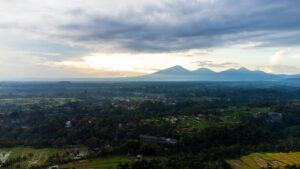
Cloud hunting, known locally as “săn mây,” is one of Da Lat’s signature early-morning experiences. Several hillside spots around the city offer the chance to watch clouds settle into the valleys below at dawn, creating the effect of standing above the clouds rather than under them.
Thien Phuc Duc Hill, about 6 to 8 kilometers from the city center opposite Langbiang Mountain, is one of the more accessible spots, requiring no serious trekking to reach. Langbiang Mountain itself, roughly 12 kilometers out, offers a higher vantage point with panoramic views, though the peak requires either a jeep ride or a genuinely steep hike to reach.
The best time to go is early morning, generally between 5 and 6:30 a.m., since clouds tend to burn off as the sun rises higher. Clear, cool mornings after a rainy afternoon the day before tend to produce the best conditions, since moisture in the valleys has more chance to settle overnight.
When conditions align, the landscape becomes something close to otherworldly, layers of white cloud pooling between pine-covered hills with only the highest ridgelines visible above the mist. Going by scooter is genuinely the most practical way to reach most of these spots before sunrise, since the timing rules out relying on other transport options that don’t run early enough.
Explore Da Lat’s Coffee Farms
Da Lat sits at an elevation that makes it one of Vietnam’s most important coffee-growing regions, and the surrounding countryside is dotted with working plantations that welcome visitors.
Cau Dat, about 20 to 25 kilometers from the city center, is one of the most well-known areas, sitting at around 1,650 meters elevation with sweeping tea and coffee plantations stretching toward the horizon. Me Linh Coffee Plantation, somewhat closer to the city, is known specifically for weasel coffee production and offers tastings alongside views over the surrounding hills.
The countryside around these farms looks completely different from anything near the coast: neat rows of coffee plants climbing hillsides, mist frequently sitting over the plantations in the early morning, and mountain views stretching out in every direction. Coffee tasting is commonly offered at most farms, giving you the chance to try the local Arabica varieties Da Lat is known for, often paired with the more unusual weasel coffee process if that interests you.
Visiting a working plantation offers a genuinely different experience compared to simply visiting another café in the city center. You’re seeing where the coffee actually comes from, with the mountain scenery as a backdrop, rather than just where it ends up being served.
Visit Da Lat’s Waterfalls
Da Lat’s surrounding countryside has several notable waterfalls, and rather than listing every one in the region, here are the two most commonly visited and easiest to reach independently.
Datanla Waterfall sits about 5 kilometers south of the city center along the Prenn Pass road. Entrance typically runs around 50,000 VND, with an optional alpine coaster ride available separately that takes you down toward the falls through the surrounding pine forest. The waterfall itself is moderate in size but sits in a genuinely scenic forested setting, and the coaster ride adds a bit of activity to what could otherwise be a fairly quick stop. It does get busy, particularly on weekends and with tour groups passing through, so an early visit helps avoid the worst of the crowds. Most visitors need an hour or two here, more if you do the coaster.
Pongour Waterfall, further out at around 45 kilometers from the city, is considered by many to be the most impressive waterfall in the Central Highlands, dropping around 40 meters across a wide seven-tier cascade. It sees noticeably fewer visitors than Datanla simply because of the extra distance, which makes it a better option if a quieter waterfall experience matters more to you than convenience. Entrance fees are modest, generally under 50,000 VND.
Both are worth visiting if you have time and transport, though Datanla is the far easier option if you’re short on time or don’t have a scooter for the day.
Ride a Scooter Through the Da Lat Countryside
Renting a scooter is one of the best ways to actually experience Da Lat beyond the city center. The roads winding through the surrounding hills pass through farmland, greenhouses stretching in orderly rows, and small villages that see very few visitors compared to the city itself.
Scenic roads circle Tuyen Lam Lake and climb toward viewpoints overlooking the valleys, with plenty of places to simply pull over rather than follow a fixed tour route. Greenhouses growing flowers and strawberries line many of the roads on the city’s outskirts, giving the countryside here a genuinely different visual character from the rice paddies found elsewhere in Vietnam.
This kind of unstructured riding, stopping wherever something catches your eye rather than following a scheduled itinerary, is where Da Lat’s countryside is at its best, and it’s the single most recommended activity in almost every Da Lat travel guide for slow travel you’ll come across.
Visit Da Lat Market

Da Lat Market, right in the center of the city, is worth visiting both during the day and in the evening, since the atmosphere shifts noticeably between the two.
During the day, it functions as a genuine local market, fresh produce, flowers, and household goods sold largely to residents rather than tourists. In the evening, particularly around the surrounding night market area, street food stalls take over, offering some of the more affordable and interesting food options in the city.
Local specialties commonly found here include grilled meats, sticky rice dishes, and Da Lat’s own take on various Vietnamese street food staples, often adapted slightly for the cooler climate with warming, hearty options more common than what you’d find on the coast.
Explore Da Lat’s Backstreets and Local Neighborhoods

Away from the main tourist streets around the lake and market, Da Lat has a genuinely different character. Small independent cafés, local shops, and quiet residential streets replace the busier tourist-facing strip.
French colonial influence shows up throughout the city’s older architecture, with villas and buildings dating back to the French era scattered through several neighborhoods, a legacy of Da Lat’s history as a hill station retreat.
Simply wandering these streets without a specific destination in mind tends to be more rewarding than following a fixed checklist. This is where Da Lat’s slower character comes through most clearly, away from the areas built specifically around tourism.
Spend Time in Da Lat’s Cafés

Da Lat’s café culture is a genuine draw in its own right, tied closely to the region’s coffee-growing reputation. Along the streets near Xuan Huong Lake and the surrounding gardens, several cafés offer views out over the water or the hills beyond, making them worth visiting for the setting as much as the coffee itself.
Cafés here tend to lean into the cooler climate, with cozy interiors, warm drinks, and a slower pace that suits both working and simply relaxing for a few hours. This kind of café stop, ducking in because it’s cold outside and the coffee smells good rather than because it’s on a list somewhere, is a defining part of what makes any Da Lat travel guide for slow travel worth following in the first place.
Da Lat Itinerary: How Many Days Do You Need in Da Lat?
Da Lat in 2 Days
Focus on the essentials: a morning or evening at Xuan Huong Lake, a visit to Da Lat Market, one waterfall, and either a countryside ride or a cloud-hunting sunrise if timing allows. This covers the core of the city without much room for spontaneity.
Da Lat in 3 Days
Add a coffee farm visit, more time exploring the surrounding countryside by scooter, a second waterfall, and a more relaxed pace around cafés rather than treating every stop as a checklist item.
Da Lat in 4–5 Days
Staying longer suits slow travelers particularly well here. It gives you room for early-morning cloud hunting without needing to plan your entire day around a single sunrise, more relaxed scooter exploration of the countryside, time to properly visit coffee farms further from the city, additional waterfalls, wandering the backstreets and local neighborhoods, working from cafés if you need to, and simply having unplanned time to let the city’s slower pace actually sink in rather than rushing between attractions.
Whatever length you choose, building a Da Lat itinerary around fewer things done slowly rather than many things done quickly will consistently give you a better sense of the city.
Best Area to Stay in Da Lat
Staying in Central Da Lat
Central Da Lat, near the lake and market, is best for first-time visitors. Everything, markets, restaurants, cafés, is within easy walking distance, making it the most practical base regardless of how you plan to get around.
Staying Outside the City Center
Accommodation slightly outside the center offers quieter surroundings and tends to suit travelers with a scooter better, since you’re not relying on walking distance to reach the countryside experiences that make Da Lat worthwhile. The atmosphere here leans more toward the countryside feel that defines much of what’s covered in this guide, though it comes with the tradeoff of needing reliable transport to reach the center easily.
Budget Accommodation in Da Lat
Hostel prices in Da Lat run affordably, generally in a similar range to other budget destinations across Vietnam. When booking, look for places with good reviews on heating or warm blankets specifically, since Da Lat’s cooler nights catch some travelers off guard if their accommodation isn’t prepared for it.
How to Get Around Da Lat
Renting a Scooter
Scooter rental is, in theory, the best way to explore Da Lat’s countryside, coffee farms, cloud-hunting spots, and waterfalls independently. Daily rental prices are generally comparable to other parts of Vietnam, and fuel costs remain low given the relatively short distances between most attractions.
Road conditions in and around the city are generally good, though hillier and windier than the flat coastal roads found in places like Hoi An, so a bit more riding confidence helps.
One important thing to know before you rely on this plan: scooter availability in Da Lat can be genuinely limited, and rental shops here often enforce a fixed daily return time rather than the 24-hour or 12-hour rental windows common elsewhere in Vietnam.
Most single-day rentals need to be returned by around 7 p.m., regardless of what time you actually picked the scooter up. There’s no overnight rental option at most shops. This is worth planning around carefully, and reserving a scooter as early as possible in your stay, rather than assuming one will be available whenever you’re ready to head out, is one of the most important pieces of advice in this entire Da Lat travel guide for slow travel.
Grab and Local Transport
Grab is useful in Da Lat for getting to attractions if a scooter isn’t available or you’d rather not ride yourself, particularly for reaching further-out spots like Pongour Waterfall or the coffee farms. Costs are generally reasonable, similar to Grab pricing in other Vietnamese cities, though further destinations naturally cost more given the distances involved.
Walking
Central Da Lat, particularly the area around Xuan Huong Lake, the market, and the streets leading up toward the cathedral, is genuinely walkable. Walking makes more sense than arranging transport for anything within this central zone, though it becomes a much longer undertaking if you’re trying to reach the countryside or waterfalls on foot.
How Much Does Da Lat Cost?
Accommodation
Hostel accommodation in Da Lat is generally affordable, with budget dorm or private room options widely available across the central and outer areas of the city. Prices are broadly comparable to other budget Vietnam destinations, sometimes slightly higher given Da Lat’s popularity with domestic tourists on weekends.
I paid 410,000 VND ($15.40) for three nights, which worked out to around 137,000 VND ($5.10) per night at my accommodation.
Food and Coffee

Local meals in Da Lat remain affordable, particularly if you’re eating at the market or smaller local restaurants rather than tourist-facing spots. Street food and simple noodle or rice dishes are widely available at low prices throughout the city.
During my stay, a bowl of Pho or a similar noodle or rice dish typically cost me around 30,000–50,000 VND ($1.20–$2) per meal. Banh Mi was even cheaper at around 25,000–35,000 VND ($1–$1.40).
Coffee is also one of the easier expenses to keep low, especially if you’re visiting local cafés rather than the more expensive specialty coffee shops.
Transport
Scooter rental, when available, remains affordable on a daily basis, though the fixed return time policy is worth factoring into how you plan your day. Grab costs scale with distance, becoming more relevant for reaching waterfalls or coffee farms outside the immediate city area.
I didn’t manage to rent a scooter during my visit, so I relied on Grab a couple of times instead. My rides cost no more than 30,000 VND ($1.20) each, and I only used Grab two or three times during my entire stay.
Activities and Entrance Fees
Waterfall entrance fees are modest, generally well under 100,000 VND per site. Many of Da Lat’s best experiences, walking the lake, wandering backstreets, cloud hunting from accessible hillside spots, cost nothing beyond your own time and transport.
I personally spent nothing on activities or entrance fees during my three nights because the scooter shortage meant my planned trips to the waterfalls and coffee farms didn’t happen. If you’re following a more typical itinerary, you’ll want to add some money for attractions such as Datanla Waterfall, but plenty of the experiences that make Da Lat worthwhile are completely free.
What to Eat in Da Lat
Da Lat Street Food
Around the market and surrounding streets, grilled skewers, warming soups, and various Vietnamese street food staples adapted for the cooler climate are widely available at affordable prices, generally cheaper in the evening market area than at sit-down restaurants closer to the lake.
One of the most popular things to try is bánh tráng nướng, often called Vietnamese pizza, made with grilled rice paper topped with ingredients like egg, spring onions, dried shrimp, and other toppings. You’ll find it all over Da Lat, particularly around the night market.
Nem nướng Đà Lạt, grilled pork sausage served with rice paper, herbs, vegetables, and dipping sauce, is another local favorite worth trying. It’s more substantial than typical street food and makes for an easy budget meal.
Local Da Lat Dishes
Da Lat has its own regional specialties shaped by the highland climate and the historical French influence, including dishes that lean more toward warming, hearty flavors than the lighter fare common on Vietnam’s coast.
Bánh căn is one of the dishes I’d look for while you’re here. These small rice flour cakes are cooked in little clay molds and usually served with egg, meat, or seafood alongside a dipping sauce. They’re cheap, filling, and particularly good when you’re looking for something warm on a cool Da Lat morning.
Lẩu gà lá é, or chicken hotpot with é leaves, is another Da Lat specialty worth trying, particularly if you’re visiting when the temperature drops in the evening. The hotpot is served with chicken and aromatic lá é leaves, creating exactly the kind of warming meal that suits the city’s cooler climate.
You can also look out for bánh ướt lòng gà, a Da Lat specialty combining steamed rice sheets with shredded chicken, herbs, and chicken offal. It is quite different from the noodle soups you’ll find elsewhere in Vietnam and is one of those dishes worth seeking out if you want to try something particularly local.
Exploring the market and surrounding streets is the best way to find these local specialties rather than relying on restaurants aimed primarily at tourists.
Da Lat Coffee
Da Lat’s coffee culture runs deep, tied directly to the region’s status as one of Vietnam’s key growing areas. Local coffee, whether from a simple street stall or a proper café overlooking the lake, tends to be excellent and affordable.
If you have the time, pairing a city café visit with an actual farm tour gives you the fuller picture of where that coffee comes from. You’re not just drinking coffee in Da Lat, you’re visiting a region where much of it is actually grown.
Best Time to Visit Da Lat
Da Lat Weather
Da Lat runs noticeably cooler than the rest of Vietnam year-round, a direct result of its elevation in the Central Highlands. Daytime temperatures are mild and pleasant, while nights can genuinely feel cold, especially compared to the humidity most travelers experience elsewhere in the country.
Dry Season
The dry season generally offers the clearest visibility, the best conditions for cloud hunting, and fewer weather-related disruptions to countryside plans. It also tends to bring more visitors and correspondingly higher prices, particularly around weekends and holidays.
Rainy Season
Rainy season brings more unpredictable weather, which can affect scooter rides and outdoor plans significantly. Sudden afternoon downpours are common. That said, rain the evening before can actually improve cloud-hunting conditions the following morning, so it’s not purely a downside depending on what you’re hoping to see.
Best Time for Cloud Views
Early morning, specifically between 5 and 6:30 a.m., offers the best chance of catching Da Lat’s famous cloud cover. The ideal conditions involve a clear, cool morning following a rainy or humid previous afternoon, since this combination gives moisture the best chance to settle into the valleys overnight. Head to accessible hillside spots like Thien Phuc Duc or, for a bigger commitment, Langbiang Mountain, and expect the clouds to burn off within an hour or two of sunrise.
What to Pack for Da Lat
A light jacket for the noticeably cooler evenings and mornings. Comfortable shoes, particularly if your plans involve walking more than expected. Rain protection, since weather here can shift quickly regardless of season. Sunscreen, since the elevation means stronger sun exposure than the temperature might suggest. Clothes suited to changing temperatures throughout the day, since mornings and evenings can feel dramatically different from midday. Suitable clothing for scooter rides if you’re planning to rent one. A small backpack for day trips out to waterfalls, farms, or cloud-hunting spots.
Things to Know Before Visiting Da Lat

Da Lat Is Much Cooler Than Most of Vietnam
Travelers arriving straight from the coast are consistently caught off guard by how cold Da Lat gets, particularly at night. Pack accordingly rather than assuming Vietnam’s general heat will follow you here.
Da Lat Is Very Hilly
The terrain affects everything, from how far things feel on foot to how much more physically demanding walking becomes compared to flatter cities elsewhere in Vietnam.
You Don’t Need to Visit Every Tourist Attraction
Da Lat rewards slowing down rather than checking off every waterfall, farm, and viewpoint on a list. Picking a handful of experiences and giving them proper time tends to be more rewarding than rushing through everything, which is the entire premise behind writing a Da Lat travel guide for slow travel rather than a standard checklist itinerary.
The Best Experiences Are Often Outside the City
Countryside roads, coffee farms, waterfalls, and cloud-hunting viewpoints consistently come up as the highlights of a Da Lat trip, more so than anything within the city center itself. This makes reliable transport genuinely important for getting the most out of a visit here.
Don’t Underestimate Travel Time
Attractions that look close together on a map can take considerably longer to reach than expected, given the hilly terrain and winding roads. Build in more time than you think you’ll need, particularly if you’re relying on walking rather than a scooter.
Weekends Can Be Much Busier
Da Lat is a popular domestic tourism destination for Vietnamese travelers, and weekends bring noticeably larger crowds to the main attractions, along with higher accommodation prices. Visiting during the week, if your schedule allows it, tends to be a calmer experience overall.
My Experience in Da Lat

Everything above covers what any solid Da Lat travel guide for slow travel should tell you before you arrive. Everything below is what actually happened when I got there.
I stayed three nights in Da Lat, planning to spend the time exploring the countryside, cloud-hunting spots, coffee farms, and waterfalls covered throughout the first half of this guide. Every place listed above was genuinely on my list before I arrived.
Then I went to rent a scooter, and there simply weren’t any available. I tried a couple of different rental shops around the city, and each time the answer was the same: nothing left to rent that day. Without wheels, my plans changed completely.
Instead of the countryside rides and further-out waterfalls I’d mapped out, I ended up walking. I spent one full day exploring on foot, starting at Xuan Huong Lake and eventually making my way up toward Da Lat Cathedral, the large church sitting on a hill above the lake, an uphill walk on the route back toward my hostel that turned out to be considerably longer than I’d expected. Along the way, I passed through the streets and gardens lining the lake, ducking into a couple of cafés when the walk got tiring or the weather turned cooler than expected.
My favorite part of the day ended up being the stretch along the lake itself, slow, quiet, with enough cafés and small gardens along the route that stopping never felt like it was interrupting anything. What surprised me most was genuinely how long the walk took. Da Lat’s hills make everything feel further than it looks on a map, and by the time I reached the cathedral and started the climb back toward my hostel, I had a much better understanding of just how much a scooter would have changed the shape of my three days here.
If I were doing this again, I’d try to arrange or reserve a scooter the moment I arrived, rather than assuming one would be available whenever I got around to looking for it. I’d also build in a backup plan, whether that’s Grab for the further destinations or simply accepting that a walking-only day in Da Lat, while tiring, still has its own quiet rewards.
Da Lat didn’t fully live up to my original plan, but it did live up to the atmosphere I’d been expecting: cool air, mist over the hills, and a pace that, even on foot and slightly frustrated by a scooter shortage, never once felt rushed. That’s exactly why I think it’s particularly good for slow travel. Even when things don’t go to plan, the city’s character comes through regardless of how you end up moving through it.
My Da Lat Daily Budget
This is what I actually spent during my three nights in Da Lat, not an estimate.
Accommodation: I stayed at Casanova Dalat Hotel & Coffee, which had a genuinely beautiful view over the city. The total cost for my full three-night stay was 410,000 VND ($15.40). That’s the full stay, not a nightly rate.
Food: Local meals stayed cheap throughout my visit. A bowl of Pho or a similar noodle or rice dish typically cost between 30,000 and 50,000 VND ($1.20 to $2). Banh Mi from local vendors ran 25,000 to 35,000 VND ($1 to $1.40) per piece. I ate simply and locally for the entire stay, and food never became a significant expense.
Transport: Without a scooter, I relied on Grab a couple of times during my stay, using it two or three times in total, with each ride costing no more than 30,000 VND ($1.20).
Activities: Given that my original plans for waterfalls and coffee farms didn’t happen due to the scooter shortage, I didn’t end up spending anything on entrance fees or paid activities during this particular visit.
| Expense | Cost |
|---|---|
| Accommodation (3 nights total) | 410,000 VND ($15.40) |
| Food (per meal, approx.) | 30,000–50,000 VND ($1.20–$2) |
| Banh Mi (per piece) | 25,000–35,000 VND ($1–$1.40) |
| Transport (Grab, per ride) | Up to 30,000 VND ($1.20) |
| Activities | None (plans changed) |
Given the circumstances, my actual spending in Da Lat ended up lower than what I’d originally budgeted for, simply because several of the paid activities I’d planned never happened.
Frequently Asked Questions About Da Lat
Is Da Lat worth visiting?
Yes, particularly for travelers who enjoy cooler climates, countryside scenery, and a slower pace than the rest of Vietnam typically offers. It suits nature lovers, photographers, and slow travelers especially well.
How many days do you need in Da Lat?
Two days covers the essentials. Three to five days is better if you want time for countryside exploration, coffee farms, cloud hunting, and a more relaxed pace overall.
What is Da Lat famous for?
Da Lat is known for its cool highland climate, coffee production, waterfalls, lakes, flower farms, and its history as a French colonial hill station, reflected in much of the city’s older architecture.
Is Da Lat expensive?
No, Da Lat remains affordable by most standards, with budget accommodation, food, and local transport all reasonably priced. Costs rise if you’re relying heavily on organized tours rather than independent exploration.
Do you need a scooter in Da Lat?
Not strictly, but it significantly changes what you’re able to see. Many of the best experiences, coffee farms, further waterfalls, cloud-hunting spots, sit outside comfortable walking distance from the city center. Book one early, since availability can be limited.
Is Da Lat good for solo travelers?
Yes. The city is generally safe, walkable in the central area, and well suited to independent exploration, whether by scooter or, if necessary, on foot.
What is the best time to visit Da Lat?
Dry season generally offers the most reliable weather and best visibility for countryside exploration and cloud hunting, though it also brings more visitors. Weekdays are calmer than weekends regardless of season.
Where can you see clouds in Da Lat?
Thien Phuc Duc Hill, roughly 6 to 8 kilometers from the city, is one of the more accessible spots. Langbiang Mountain, about 12 kilometers out, offers a higher and more dramatic vantage point but requires more effort to reach.
Is Da Lat colder than the rest of Vietnam?
Yes, noticeably. The city’s elevation in the Central Highlands gives it a genuinely cooler climate year-round compared to the rest of the country, with cold nights that catch many travelers off guard.
Can you explore Da Lat without a tour?
Yes, entirely. Independent exploration by scooter, Grab, or on foot is genuinely possible and, based on my own experience, still rewarding even when plans don’t go exactly as intended.
Conclusion
Da Lat works so well for slow travel because so much of what makes it special only shows up if you give it time: mist settling over hills at dawn, the quiet rhythm of a morning walk around Xuan Huong Lake, coffee grown on the same hillsides you can ride through yourself.
My favorite aspects of the city, even with my plans disrupted, were the countryside character, the coolness in the air, the coffee, the lake, and the sense that even a single long walk through the city carries its own reward if you let it. Don’t rush through Da Lat, and don’t assume everything will go exactly to plan. Sometimes the version of a place you actually get is worth just as much as the one you originally set out to find.
That’s the core idea behind this entire Da Lat travel guide for slow travel: the city gave me a different Vietnam than every other stop on this trip, cooler, quieter, and stranger in the best way, and that’s exactly what stayed with me after I left.
Planning Your Vietnam Trip?
If you’re building a bigger Vietnam itinerary, here’s what else I’ve written:
Hoi An Travel Guide for Slow Travelers 2026: Beyond the Lanterns
Hoi An Budget Guide 2026: How much is the cost of visiting Hoi An?
Hidden Places in Hoi An: 5 Spots Beyond the Old Town
Cam Kim Island Guide 2026: Hoi An’s Quiet Countryside Escape
Best Day Trip From Hoi An: Khe Tan Reservoir (2026 Guide)
Hoi An River Boat Ride: 2026 Prices, Times & Complete Guide
Things to Know Before Visiting Hoi An: Travel Tips for First-Time Visitors